
Vegetables
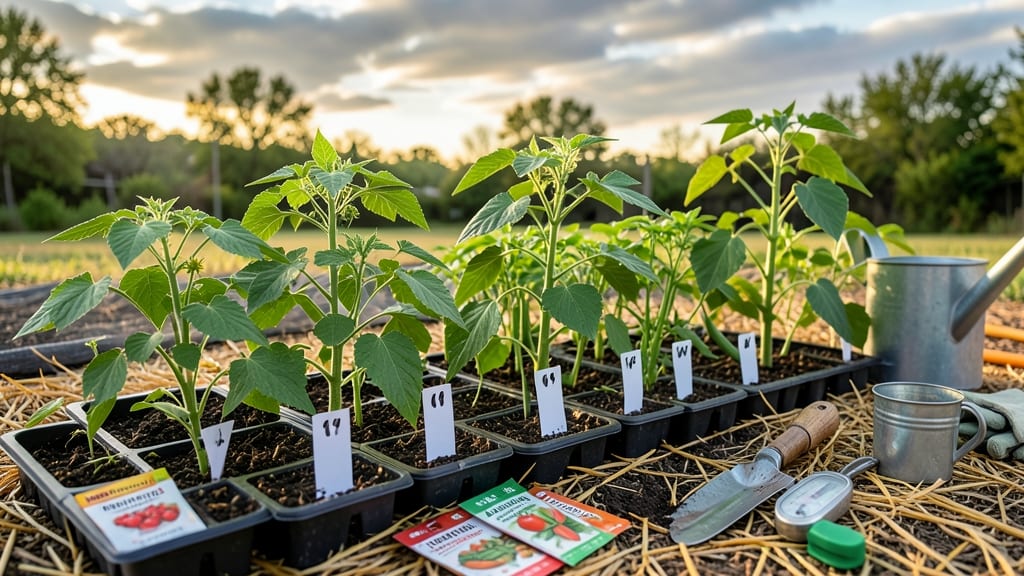
Timing your vegetable planting in Texas isn't just about luck—it's the key to avoiding frost damage or wilting under 100°F heat. With USDA zones 8a-10b stretching from North to South Texas, your garden's success depends on knowing when to plant cool-season 🥕 greens versus heat-loving tomatoes.
Miss the window by even a few weeks, and your broccoli could bolt in the spring heat, while your peppers might struggle in early summer's intensity. I've spent years perfecting the schedule, and what I'm about to share will help you align your planting with Texas' unique climate patterns.
From late winter's gentle starts to fall's second planting rush, we'll break down the exact months that work best for your zone. Whether you're in North Texas or the Rio Grande Valley, these insights will transform your garden from "maybe" to "bountiful."
Ready to grow more with less guesswork? Let's dive into the planting calendar that actually works for Texas gardens—no more wasted seeds or disappointed harvests.
Texas heat Zone planting calendar: month-by-month vegetable schedule
Texas' climate varies dramatically from the Panhandle's chilly winters to the Rio Grande Valley's scorching summers, making planting timing critical. The state spans USDA Zones 8a through 10b, with North Texas (Zone 8a) facing earlier frosts than South Texas (Zone 9a-10b).
To maximize yields, align your planting with these heat-zone-specific windows—whether you're sowing cool-season greens in February or heat-loving tomatoes in May.
Cool-season crops like lettuce, broccoli, and peas thrive in Texas' mild winter months (November–March), while warm-season favorites such as okra, peppers, and sweet potatoes demand the consistent heat of late spring to early fall (April–October). The key?
Start seeds 4–6 weeks before your last frost date and transplant 2–3 weeks after—but adjust for your zone. For example, North Texas gardeners should plant cool crops by February 15, while South Texas growers can extend their season until March 15.
| Zone & Season | Cool-Season Crops (Plant) | Warm-Season Crops (Plant) | Harvest Window | Key Tip |
|---|---|---|---|---|
| Zone 8a (North TX) | Feb 15–Mar 15 | Apr 15–May 15 | Mar–May, Sep–Nov | Use row covers for frost protection. |
| Zone 8b (Central TX) | Feb 1–Mar 31 | Mar 15–May 1 | Feb–May, Aug–Dec | Mulch to retain moisture in summer. |
| Zone 9a-10b (South TX) | Oct 15–Mar 15 | Feb 15–Jun 1 | Year-round (with shade) | Plant shade-tolerant varieties in peak summer. |
| 🌱 LAST FROST DATES | ||||
| Zone 8a | Jan 31 | |||
| Zone 8b | Mar 1 | |||
| Zone 9a-10b | Dec 15–Jan 15 | |||
For Zone 8a gardeners, the cool-season window is tight—plant spinach and kale by February 15 to avoid frost damage. Meanwhile, Zone 9a-10b growers can enjoy year-round harvests with shade cloths during summer's peak heat.
A pro tip: Succession plant warm-season crops like okra and sweet potatoes every 2–3 weeks from April to July to ensure a continuous harvest. This strategy works especially well in Central Texas (Zone 8b), where summers are long but not as extreme as the South.
Timing also depends on the vegetable type. For example, broccoli and cabbage prefer cooler temps and should be sown in early spring or late summer, while tomatoes and peppers need consistent warmth and should wait until after the last frost.
In North Texas, that means holding off until mid-April, but in South Texas, you can start as early as February. Always check your local average last frost date—it’s your garden’s green light for planting.
Don’t overlook fall planting, a Texas gardener’s secret weapon. In North Texas, sow cool-season crops like carrots and radishes by August 1
Top 10 vegetables to grow in Texas by season: what thrives when
Texas' diverse heat zones mean some vegetables thrive in scorching summers while others prefer milder springs and falls. My top picks for high-yield crops align with Texas' climate—whether you're in North Texas (Zone 8a) or South Texas (Zone 9b).
These seasonal powerhouses deliver flavor and productivity when planted at the right time.
For cool-season crops, focus on fall and winter planting (September–January) to avoid frost damage. Warm-season favorites like tomatoes and peppers need spring and summer heat (March–July) to flourish. My list prioritizes heat-tolerant varieties and regional adaptability—because nothing beats a Texas-grown harvest!
🌱 Top 10 Texas Vegetables by Season
- 1. Tomatoes – Plant March–May (after last frost) and August–September for fall harvests. Heat-set varieties like 'Celebrity' or 'Solar Fire' thrive in Texas summers.
- 2. Okra – A Texas staple! Sow April–June for continuous harvests through fall. Loves 90°F+ heat and drought conditions.
- 3. Peppers – Start seeds indoors in February, transplant March–April. Jalapeños and bell peppers handle Texas heat better than tomatoes.
- 4. Sweet Potatoes – Plant slips in May–June for a fall harvest. Thrives in Zone 9a+ with minimal water once established.
- 5. Kale – A cool-season champ! Sow September–October or February–March. Lacinato or 'Winterbor' varieties resist bolting in mild winters.
- 6. Green Beans – Plant February–March (cool season) or July–August (warm season). Bush beans like 'Blue Lake' work best for Texas.
- 7. Squash (Zucchini, Butternut) – Sow March–April or August for fall harvests. Vining varieties need space but produce abundantly in heat.
- 8. Collard Greens – A Texas winter favorite! Plant September–October for harvests through February. Tolerates light frosts.
- 9. Eggplant – Start seeds indoors in March, transplant April–May. 'Black Beauty' or 'Ichiban' handle Texas summers well.
- 10. Carrots – Sow September–October or February–March. Short varieties like 'Paris Market' work best in Texas' heavy clay soils.
Each of these vegetables has a sweet spot in Texas' growing seasons. For example, tomatoes and peppers need consistent warmth, while kale and collards prefer cooler temps. My pro tip? Succession plant fast-growing crops like bush beans every 2–3 weeks to maximize yields.
In North Texas (Zones 8a–8b), frost can sneak in by December, so prioritize fall crops like broccoli and lettuce before the first freeze. Meanwhile, South Texas (Zones 9a–10b) gardeners can grow year-round with minimal frost risk—just watch for summer heat stress on tender greens.
For heat-loving crops, mulch with straw or wood chips to retain moisture, and water deeply in the morning to avoid fungal issues. Shade cloth (30–50%) helps leafy greens in peak summer. The key? Match your plants to the season—and Texas' bountiful harvests will follow!