
Plants
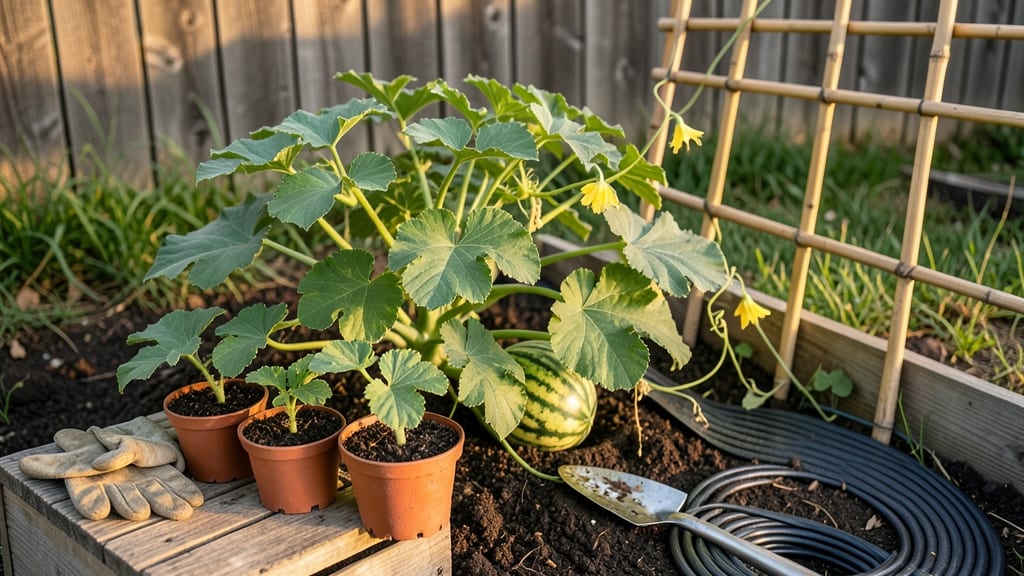
Planting watermelon in Kentucky at the wrong time can mean the difference between a juicy, homegrown harvest and wasted effort. With Zone 7A's warm summers and unpredictable spring frosts, timing is everything for that perfect 🍉.
Skip the guesswork and learn the exact window to maximize your crop's speed and sweetness.
Most gardeners in Kentucky wait until mid-April to early June, but soil temperature matters more than the calendar. Cold soil slows growth, while waiting too long cuts the harvest short. I’ll break down the ideal planting dates based on real Kentucky conditions—not just theory.
Whether you’re starting seeds indoors or sowing directly, these strategies will help you beat the heat and frost. You’ll discover how to prep your soil, choose the right varieties, and use simple tricks to speed up ripening. Let’s get those vines growing fast!
Ready to grow watermelons that outshine the grocery store? The secret starts with planting at the perfect moment—and I’ve got the timing tips to make it happen. No more waiting until the last minute or risking a failed crop.
Optimal Kentucky watermelon planting dates by soil temperature
Kentucky’s Zone 7A climate offers a perfect window for growing watermelons, but timing is everything. Watermelons thrive when soil temperatures reach at least 70°F, which typically happens after Kentucky’s average last frost date (mid-April).
Planting too early risks frost damage, while waiting too long can delay harvests before fall’s first frost (mid-October).
For direct sowing, aim for mid-April to early June when soil warms consistently. If you prefer transplants, start seeds indoors 4-6 weeks before the last frost date. This gives seedlings a head start in warmer soil while avoiding cold snaps that can stunt growth.
Kentucky’s microclimates also play a role. Southern regions like Bowling Green (Zone 7B) can plant 1-2 weeks earlier than northern areas like Lexington or Louisville (Zone 6B). Always check your local USDA Plant Hardiness Zone for precision.
Soil temperature is more critical than air temperature. Use a soil thermometer to confirm warmth—watermelons won’t germinate in cold soil. If your soil is still chilly by mid-April, consider black plastic mulch to accelerate warming by 5-10°F.
Here’s a quick reference for Kentucky’s planting timeline based on soil conditions and regional variations:
For direct sowing, wait until nighttime temperatures stay above 60°F. If you’re in a cooler microclimate, like the Cumberland Plateau, push planting to late May to avoid early-season frosts. Southern Kentucky gardeners can start as early as mid-April with proper soil warming.
Always monitor your local Kentucky Mesonet or UK Agricultural Weather Center for real-time updates. A late frost in April can delay planting by 2-3 weeks, so flexibility is key. If frost threatens after planting, cover seedlings with row covers or frost blankets.
Once planted, watermelons need consistent warmth to thrive. If daytime highs dip below 75°F for extended periods, growth slows, and fruit may not ripen before fall. Choose heat-tolerant varieties like 'Crimson Sweet' or 'Charleston Gray' for Kentucky’s summers.
Pro tip: Plant a test row 2 weeks before your ideal date to gauge soil warmth. If seeds sprout within 7-10 days, your soil is ready for full planting. If not, wait another week and test again.
Timing your watermelon planting in Kentucky isn’t just about dates—it’s about soil temperature, microclimates, and variety selection. By following these guidelines, you’ll maximize your chances of a bountiful, sweet harvest before Kentucky’s first frost.
How to extend the Kentucky watermelon season for earlier harvests
Kentucky’s Zone 7A climate offers a short but sweet growing window for watermelons, but you can push your harvest forward with the right techniques. By using season-extending tools and smart planting strategies, you can enjoy ripe watermelons 2-3 weeks earlier than average.
These methods work especially well for late-spring plantings or areas with cooler microclimates.
One of the most effective ways to warm soil faster is by using black plastic mulch. This simple trick raises soil temperatures by 10-15°F, allowing you to plant 2-3 weeks earlier than traditional methods.
It also suppresses weeds and retains moisture, giving your watermelons a head start. For even faster results, combine mulch with row covers during early spring plantings.
🌱
✅ Warms soil 10-15°F faster
✅ Reduces weeds by 90%
✅ Retains 30% more moisture
✅ Protects from light frosts (28°F)
✅ Extends season by 3-4 weeks
✅ Allows early spring starts
✅ Creates microclimate warmth
❌ Requires removal at harvest
❌ Can overheat soil in peak summer
❌ Needs removal for pollination
❌ Can trap excess humidity
❌ Limited to small-scale plantings
❌ Requires ventilation management
For gardeners in cooler Kentucky microclimates (like the Bluegrass Region or higher elevations), consider starting watermelons indoors under grow lights 4-6 weeks before your target outdoor planting date.
Use biodegradable pots to transplant seedlings without disturbing roots. This method works best for small-fruited varieties like 'Sugar Baby' or 'Tiny Tim,' which mature faster than standard types.
Companion planting is another clever way to extend your harvest. Pair watermelons with bush beans or radishes, which improve soil health and deter pests. Avoid planting near potatoes or squash, as they compete for nutrients.
In Kentucky’s climate, this strategy can increase yields by 15-20% while keeping vines healthy longer.
🌿