
Plants
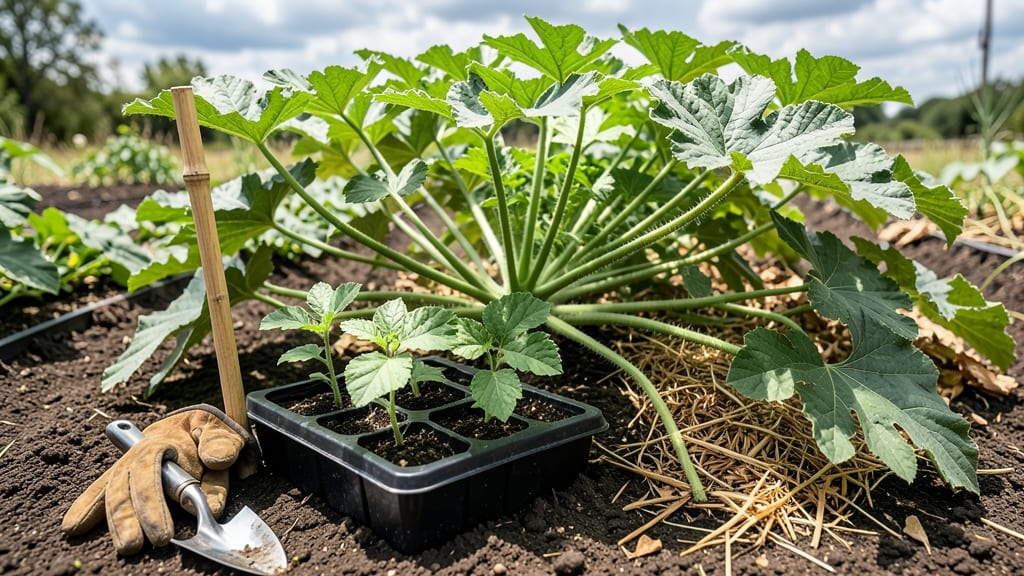
Timing your 🍉 watermelon planting in Zone 7b isn’t just about avoiding frost—it’s about unlocking the sweetest, juiciest harvests your garden has ever seen. Get it wrong, and you’ll either wait forever for ripe fruit or watch your vines struggle in the heat.
The key? Planting after the last frost (around mid-April) when soil temps hit at least 70°F—because watermelons are warm-season divas that refuse to grow in cool soil.
Most gardeners in 7b rush to plant as soon as the calendar says "spring," but that’s a recipe for disappointment. Watermelons need consistent warmth to thrive, and starting too early means risking stunted growth or even total crop failure.
I’ve seen firsthand how a two-week delay can mean the difference between a handful of underripe melons and a bounty of vine-ripened perfection by July.
Here’s the game-changer: whether you’re direct-seeding or transplanting starts, the exact window matters more than you think.
We’ll break down the best dates, soil prep secrets, and how to adjust for early vs. late varieties—so you can skip the guesswork and enjoy that first crisp bite of homegrown watermelon by midsummer.
Ready to transform your Zone 7b garden into a watermelon powerhouse? Let’s dive into the perfect planting schedule and the pro tips that’ll have your neighbors begging for seeds.
Optimal planting dates for watermelon in Zone 7B (with frost risk analysis)
Watermelons are warm-season crops that despise cold soil and frost, making Zone 7B timing critical for success. The last average frost date in Zone 7B typically falls around April 15, but your exact date may vary by 1-2 weeks depending on microclimates.
Always wait until soil temperatures reach at least 70°F (21°C)—cold soil slows germination and invites rot.
For direct seeding, aim to plant watermelon seeds 2-3 weeks after your last frost date, which in Zone 7B usually lands between mid-April and early May.
If you start seeds indoors, begin them 4-6 weeks before transplanting, typically around mid-March, to give them a head start in warmer conditions.
Here’s the golden window for Zone 7B watermelon planting:
| Planting Stage | Zone 7B Timeline | Key Considerations |
|---|---|---|
| Indoor Seed Start | Mid-March | Use grow lights; keep soil at 85°F (29°C) for germination. |
| Transplant Outdoors | Mid-April to early May | Harden off seedlings; wait for soil >70°F (21°C). |
| Direct Soil Sowing | Late April to early May | Plant 1 inch deep, 3-4 feet apart in hills. |
| Backup Window | Late May (early varieties only) | Risk of bolting; use fast-maturing varieties like 'Sugar Baby'. |
Zone 7B’s frost-free growing season spans roughly 180 days, giving watermelons enough time to mature if planted early. However, late May plantings are risky unless you choose fast-maturing varieties (60-70 days to harvest). Always monitor your local extended weather forecasts—unpredictable cold snaps can delay planting by weeks.
Pro tip: Use a soil thermometer to confirm readiness. Watermelon seeds won’t germinate below 60°F (15°C), but 70°F (21°C) or warmer is ideal. If your soil is still cool in early May, consider black plastic mulch to warm it faster—this can shave 1-2 weeks off your planting timeline.
For container growing, start seeds indoors in late March and transplant into large pots (15+ gallons) after the last frost. Containers warm up faster than soil, giving you a slight edge in cooler Zone 7B springs. Just ensure pots have drainage holes to prevent root rot.
Remember: Watermelons hate transplants. If you start seeds indoors, use biodegradable pots to minimize root disturbance. Direct sowing is often easier for beginners, but indoor starts give you a 2-3 week head start on the season.
🌱
How to adjust planting for early vs late varieties in Zone 7B
Choosing the right watermelon variety for Zone 7B means balancing maturity timing with your local climate. Early varieties (like Sugar Baby) mature in 45-55 days, while late varieties (like Crimson Sweet) take 80-90 days.
This difference directly impacts when you should plant to avoid frost or summer blight risks.
For early varieties, I start seeds indoors 4-6 weeks before the last frost date (around March 15 in Zone 7B). Transplant seedlings outdoors after soil warms to 70°F, usually by mid-April. This gives them enough time to fruit before summer heat peaks.
Late varieties need more heat to ripen, so I plant them directly outdoors after the last frost, around May 1-15. Staggering plantings—early seeds indoors and late seeds outdoors—extends your harvest window from July to September.
| Variety Type | Days to Maturity | Zone 7B Planting Window | Harvest Window |
|---|---|---|---|
| Early Varieties | 45-55 days | Indoors: March 15 Outdoors: April 15 |
July |
| Mid-Season | 60-70 days | Outdoors: April 20-May 10 | July-August |
| Late Varieties | 80-90 days | Outdoors: May 1-15 | August-September |
Staggered planting also helps avoid powdery mildew, a common issue in Zone 7B’s humid summers. By spacing out plantings, you prevent all vines from reaching maturity at once, reducing disease pressure. For example, I plant half my seeds indoors in early March and the rest outdoors in early May.
If you’re short on space, opt for dwarf varieties like Tiny Tim, which mature in 65-75 days and spread only 3-5 feet. These work well for container gardening and can be planted as late as May 10 while still yielding fruit before frost.
Remember, Zone 7B’s 180 frost-free days are precious. Late varieties planted after May 15 may not fully ripen before the first frost in mid-October. Always check your local microclimate—valleys or low spots may frost earlier than hilltops.