
Plants
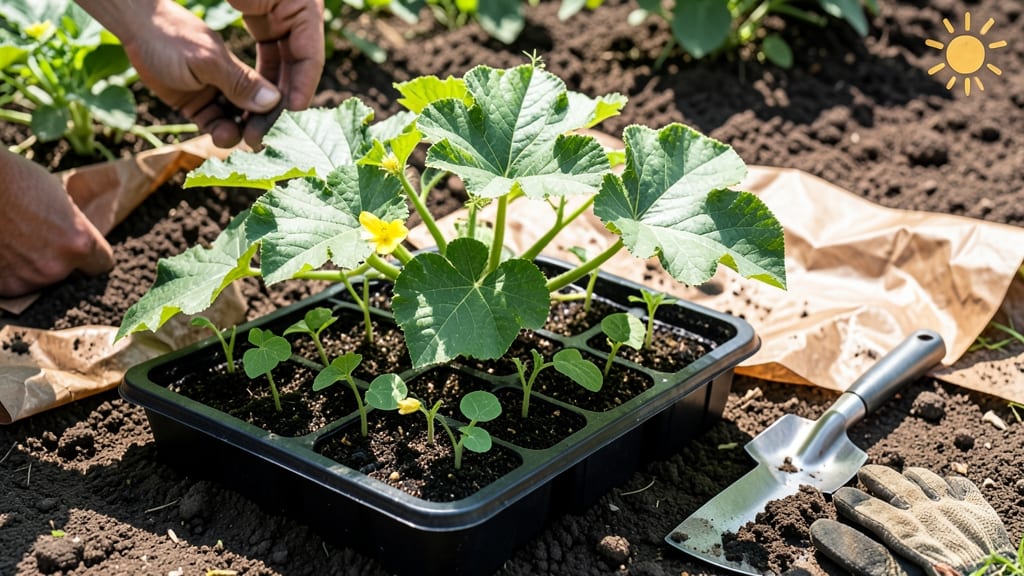
Timing your 🍉 watermelon planting in Oregon can mean the difference between a bountiful harvest and a sad, wilted vine. With Oregon’s 7b-9a zones and dramatic shifts from coastal chill to inland heat, getting the schedule right is everything.
Most gardeners in Oregon wait until mid-April to early June—after the last frost has passed and soil temperatures hit 60°F+. But here’s the catch: coastal areas like the Willamette Valley play by different rules than the High Desert, where warmer microclimates let you plant weeks earlier.
I’ll break down the exact frost-free dates by region, plus pro tips for extending your growing season with mulch and cold frames. By the end, you’ll know not just when to plant, but how to protect your crop from Oregon’s unpredictable weather.
Ready to grow watermelons that rival the ones at the farmers’ market? Let’s dive into the ideal planting windows—and the mistakes that could ruin your harvest before it even starts.
Oregon’s frost-free zones and ideal watermelon planting windows
Oregon’s microclimates create wildly different planting windows for watermelon. The Willamette Valley (USDA Zone 8b) has a mid-April last frost, while the High Desert (Zone 7b) may not thaw until mid-May.
Coastal areas like Astoria face cooler soils, delaying planting until late May. To succeed, align your schedule with soil temperatures—watermelons need 60°F+ to germinate.
For direct sowing, aim for 2-4 weeks after your area’s last frost. Transplants can go in 1-2 weeks earlier since they’re hardened off. In Zone 9a (e.g., Medford), you might start as early as mid-April, while Zone 7b (e.g., Bend) waits until late May.
Always check local frost data—Oregon State University’s Frost Freeze Tool is your best friend.
Here’s how to break it down by region:
| Region | USDA Zone | Last Frost | Ideal Planting Window | Soil Temp Requirement |
|---|---|---|---|---|
| Willamette Valley (Portland, Salem) | 8b | Mid-April | Late April–early May | 60°F+ |
| Columbia Gorge (Hood River, The Dalles) | 7b-8a | Early May | Late May–early June | 65°F+ |
| High Desert (Bend, La Pine) | 7b | Mid-May | Late May–June | 70°F+ |
| Coast (Astoria, Coos Bay) | 8a-9a | Late April–early May | Late May–June | 60°F+ (warmer microclimates) |
| Southern Oregon (Medford, Ashland) | 9a | Mid-April | Early April–May | 55°F+ (earlier start) |
In Zone 9a, like Medford, you can even try early April planting with black plastic mulch to warm the soil faster. For Zone 7b, like Bend, wait until late May—rushing risks cold soil, which causes poor germination or damping off.
Use a soil thermometer to confirm readiness; 60°F is the minimum, but 70°F+ speeds up growth.
If you’re transplanting seedlings (bought or started indoors), do it 1-2 weeks earlier than direct sowing. Seedlings handle cooler soils better but still need 55°F+. Harden them off for 7-10 days before moving to the garden.
Pro tip: Transplant on a cloudy day to reduce shock. For container growing, use 5-gallon pots and plant after Memorial Day in most regions.
Watch for late-season frost in June, especially in elevated areas like the Cascade foothills. If frost is forecast, cover plants with frost blankets or row covers. In coastal Oregon, fog can delay warming—plant near south-facing walls or use clear plastic
Best watermelon varieties for Oregon’s climate and how to extend the growing season
Oregon’s short growing season and varied climates demand heat-tolerant, fast-maturing watermelon varieties to ensure success. I’ve grown ‘Sugar Baby’ and ‘Crimson Sweet’ for years—they thrive in USDA zones 7b-8b and mature in 70-80 days.
These varieties handle Oregon’s cool nights better than standard types, but even they need a head start in cooler regions like the Willamette Valley.
For high-desert areas like Bend or La Pine, opt for ‘Charleston Gray’, a disease-resistant variety that tolerates dry heat and produces large, sweet fruit in 85 days.
Coastal gardeners should try ‘Black Diamond’, which matures faster (65 days) and handles mild summers better than most varieties.
🌱 Top 5 Watermelon Varieties for Oregon
- Fast Maturity: 65-80 days to harvest
- Disease Resistance: Handles Oregon’s humidity
- Heat Tolerance: Thrives in high-desert climates
- Sweetness: High sugar content even in cool summers
- Compact Vines: Ideal for small spaces
- Short Season Risk: Late frosts can cut harvests short
- Needs Warm Soil: Requires 60°F+ soil temps
- Pests: Cucumber beetles and aphids are common
- Space Needs: Vines spread 6-10 feet
- Container Challenges: Heavy fruit may tip pots
To push harvests into late September or October, I use season-extending tricks like row covers and cold frames. For example, in Portland’s Zone 8a, I plant ‘Sugar Baby’ under floating row covers in early May.
By removing the covers when flowers appear, I avoid heat stress while still capturing extra warmth.
Another trick? Black plastic mulch raises soil temps by 10-15°F, letting me plant 2-3 weeks earlier in cooler zones. Just lay it down 1-2 weeks before planting and secure edges with soil or bricks. Pair this with drip irrigation to keep roots cool during heatwaves.
For container growers, choose ‘Tiny Tim’—a bush-type watermelon that matures in 70 days and fits in 5-gallon pots. Place containers on patio heaters or near south-facing walls to mimic Oregon’s high-desert microclimates. Just remember: containers dry out faster, so water daily in summer.
Pro tip: Monitor soil temps with a soil thermometer. Watermelons need 70°F+ soil to germinate—if it’s cooler, wait or use a seedling heat mat. In Zone 7b (e.g., Eugene), this often means delaying planting until late May.