
Plants
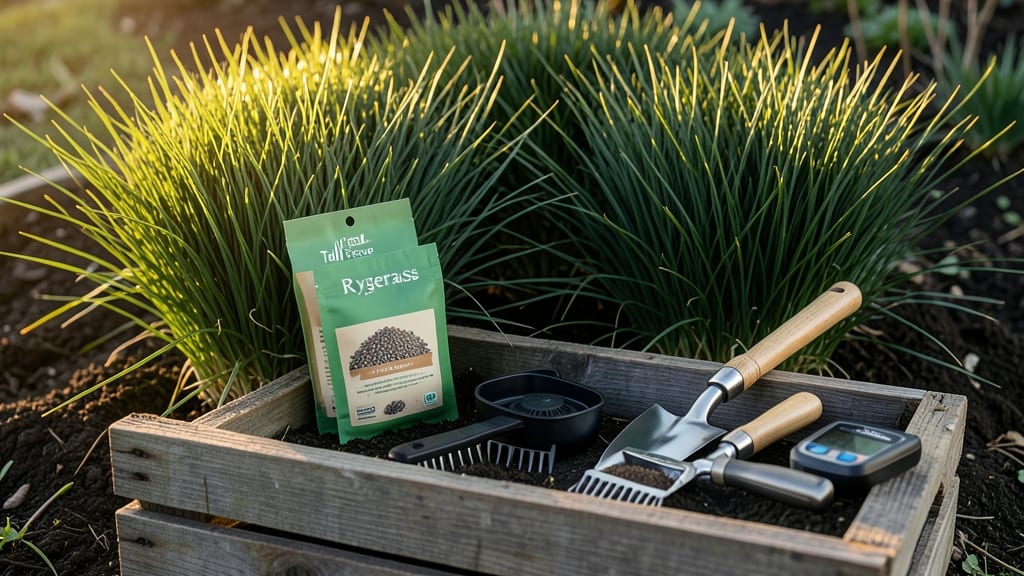
Best months to plant winter grass in Phoenix for optimal growth
Timing is everything when planting winter grass in Phoenix’s USDA Zone 9b climate. The ideal window runs from late August through October, when daytime temperatures dip below 90°F and soil stays consistently warm.
Planting too early risks summer heat stress, while late starts may not allow roots to establish before winter dormancy.
Phoenix’s microclimates add another layer of complexity. Urban areas with concrete heat retention can stay 10°F warmer than suburban neighborhoods, delaying your optimal planting window by 2-3 weeks. Always check your specific zone’s soil temperature—aim for 65-75°F at 4 inches deep.
For fastest root establishment, prioritize September planting. This gives grass 6-8 weeks of warm soil before winter slows growth. If you miss this window, early October is still viable, but expect slower initial growth.
| Planting Month | Soil Temp (°F) | Daytime Temp (°F) | Root Growth Rate | Notes |
|---|---|---|---|---|
| Late August | 70-80°F | 95-105°F | Slow | Risk of heat stress; best for high-elevation areas |
| September | 65-75°F | 85-95°F | Moderate-Fast | Optimal window for Phoenix |
| October | 60-70°F | 75-85°F | Slow-Moderate | Still viable but growth slows |
| November | 55-65°F | 65-75°F | Very Slow | Emergency planting only |
If you’re planting cool-season grasses like ryegrass or fescue, late September is your best bet. These varieties thrive when nights stay above 50°F but below 70°F. For warm-season grasses like bermudagrass, shift to late August planting to beat summer dormancy.
Phoenix’s monsoon season (July-August) can create temporary planting windows. If you missed the fall window, early monsoon rains may soften soil enough for late August planting—just monitor for fungal risks from prolonged moisture. Always test soil moisture with your finger; it should feel like a wrung-out sponge before planting.
For container planting, adjust your timeline by 2 weeks earlier. Pots heat up faster and dry out quicker, so late August becomes your ideal window. Use black plastic pots to absorb heat and maintain root-zone warmth.
Pro tip: Mark your planting calendar with these key dates: September 15 (primary window start), October 1 (last ideal date), November 15 (absolute deadline). Use a soil thermometer to verify conditions—don’t guess!
Remember, Phoenix’s winter grass success hinges on root establishment before winter. Even if your lawn looks sparse in December, those roots will rebound aggressively when spring arrives—if you planted at the right time. 🌱
Best months to plant winter grass in Phoenix for optimal growth
Phoenix’s hot desert climate demands precise timing for winter grass planting. The ideal window is late August through October, when soil temperatures drop below 85°F but before winter rains arrive.
Planting too early risks heat stress, while late starts may leave roots vulnerable to freezing temperatures (though rare in Phoenix’s USDA Zone 9b).
September is the sweet spot—cooler days and moderate humidity help grass establish roots before winter. If you miss this window, early November is your last chance, but prepare for slower growth. Avoid planting in July or August; the 110°F+ heat will shock seedlings and stunt their development.
Phoenix’s microclimates also play a role. North Phoenix areas stay cooler longer, allowing planting into early November, while southside neighborhoods near airports may need to plant by mid-October. Test soil temperatures with a soil thermometer—aim for 70-80°F at planting time for best results.
| Month | Soil Temp (°F) | Notes |
|---|---|---|
| August | 90-100°F | Risky; only plant early August with shade cloth |
| September | 75-85°F | Ideal—cool enough for root growth |
| October | 65-75°F | Best for slow-release fertilizer use |
| November | 55-65°F | Last chance; growth slows but possible |
Adjust your planting timeline based on your grass variety. Ryegrass germinates fastest (7-10 days) and thrives in cooler temps, making it ideal for September-October planting. Fescue, slower to establish (14-21 days), benefits from an early September start to avoid winter dormancy.
Always pre-soak seeds for 24 hours before planting to improve germination rates in dry Phoenix soil.
For established lawns, overseeding in late October lets new grass fill bare spots before winter rains. Use a slit seeder to avoid disturbing existing turf.
If you’re starting from scratch, prepare the soil in August (tilling, amending) and plant seeds in early September for a full winter lawn by December.
Monitor local weather forecasts for monsoon remnants in late summer—sudden rains can wash away seeds or cause erosion. If planting in September, water lightly daily for the first 10 days to keep soil moist until roots establish.
Avoid planting after October 15th unless you’re using cold-hardy varieties like tall fescue, which can handle brief 40°F nights.