
Plants
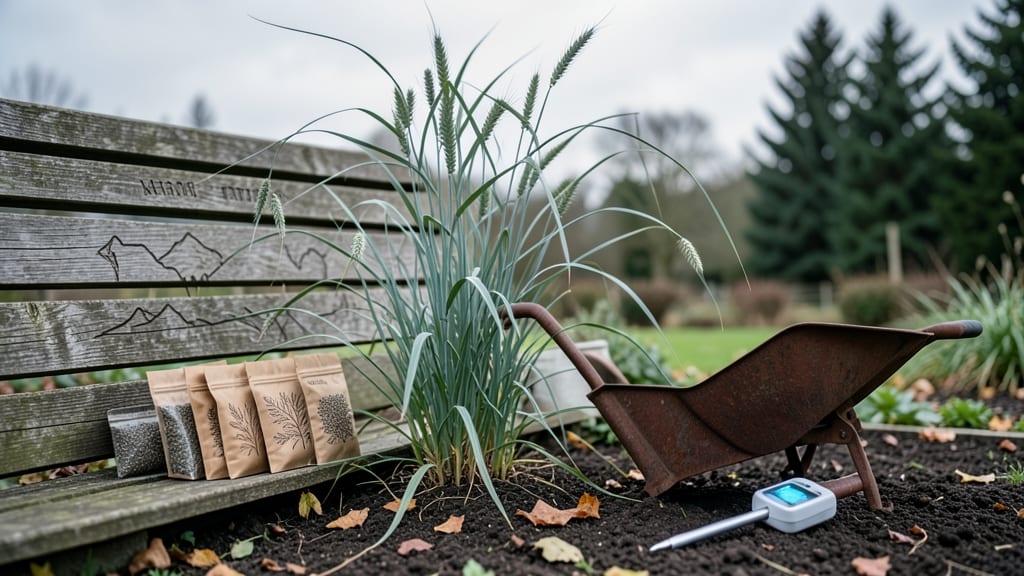
Planting winter rye 🌾 at the right time in North Carolina can transform your garden from a winter wasteland into a nutrient-rich powerhouse—but get the timing wrong, and you’ll end up with a patch of brown grass instead of a thriving cover crop.
The key to success lies in understanding your local frost dates, which can vary by hundreds of miles across the state. Whether you're in the Coastal Plains or the Blue Ridge Mountains, planting too early or too late means missed opportunities for soil protection and spring growth.
I’ll break down the exact planting window—from late summer to early fall—so you can align your schedule with your region’s climate. You’ll learn how to read soil temperatures, adjust for microclimates, and choose the best winter rye varieties for your zone.
With the right approach, your winter rye won’t just survive the cold—it’ll set your garden up for a stronger, healthier growing season. Let’s get started.
NC county-specific frost dates for winter rye planting timing
North Carolina's diverse climate means frost dates can shift by weeks between counties. For winter rye to establish strong roots before winter, aim to plant 4-6 weeks before your first frost date.
Coastal areas like Carteret County have later frosts, while mountain regions like Haywood County face earlier freezes. Let's break down the ideal planting windows by region.
In the Coastal Plain (USDA Zones 8a-8b), where winters are mild, you can plant winter rye as late as mid-October. Counties like New Hanover and Craven often see their first frost around mid-November, giving you a longer growing window.
This region benefits from warmer soil temperatures longer into fall.
For the Piedmont region (USDA Zones 7a-7b), including counties like Wake and Forsyth, first frosts typically arrive by late October to early November. This means your planting window narrows to mid-August through early October. Soil temperatures drop faster here, so earlier planting is key for root establishment.
The Mountain region (USDA Zones 6a-6b), with counties like Ashe and Henderson, has the earliest frosts, often by mid-October. Your planting window here is mid-July through late August. The cooler climate means winter rye may need extra protection from early frosts.
For gardeners in transition zones between these regions, like the Sandhills or Highlands, check local frost records or use the NC State Extension Plant Tool to get precise dates. These tools account for microclimates that can shift frost dates by 1-2 weeks even within the same county.
Always verify your local frost dates using resources like the NC State Climate Office or Almanac frost date maps. These dates help you calculate when to plant winter rye for maximum winter cover and spring biomass.
For example, if your first frost is October 25th, aim to plant by September 15th.
Remember that soil temperature, not air temperature, determines seed germination. Use a soil thermometer to confirm temperatures are above 40°F before planting. In cooler mountain regions, wait until soil warms to at least 45°F for reliable germination.
If you're unsure about your county's frost dates, consider planting a test patch in early September. This gives you time to adjust based on actual germination and growth rates. Winter rye is forgiving, but earlier planting always yields better results for winter protection and spring soil health.
For gardeners in urban areas, microclimates can create warmer pockets. If you're in a heat island (like downtown Raleigh), you might extend your planting window by 1-2 weeks compared to rural areas. Use your local weather station data to fine-tune timing.
Once you've planted, monitor your winter rye for winter hardiness. If temperatures drop below 20°F, consider adding straw mulch for extra protection. This simple step can make the difference between a thriving cover crop and one that struggles through winter.
NC county-specific frost dates for winter rye planting timing
North Carolina's diverse geography—from the Coastal Plain to the Blue Ridge Mountains—means frost dates can shift by weeks or even months between regions. For winter rye, planting 4-6 weeks before your first frost ensures strong root establishment before cold sets in.
Coastal areas like Wilmington may have frost as late as December 15, while mountain counties like Asheville can see frost by November 15.
Timing is critical because winter rye needs 40-60 days of warm soil (above 50°F) to germinate and establish before winter dormancy. Planting too early risks overgrowth that flops in frost, while planting too late leaves it vulnerable to winterkill.
Use NC State Extension's frost maps as your guide, but always adjust for microclimates like urban heat islands or sheltered valleys.
🌾
For example, in Wake County (Raleigh), aim to plant by September 15 to give winter rye time to establish before the average November 20 frost. In Carteret County (Beaufort), you have until October 15 thanks to the moderating ocean influence.
Mountain counties like Haywood should finish planting by August 20 to avoid early frosts.
Local nurseries often carry region-specific recommendations, so ask about cold-hardy varieties suited to your county. For instance, 'Aroostook' winter rye thrives in the Mountains, while 'Cerro' handles the Coastal Plain's humidity better.
Always verify seed packets for USDA Zone 6a-8b compatibility—North Carolina spans three zones, and timing varies accordingly.
If you're unsure about your exact frost date, use soil temperature as a backup.
Winter rye germinates best in 50-70°F soil, so wait until late August if your soil runs cool. Cooler soils in the Mountains may delay planting until mid-August, while warmer Piedmont soils can handle early August sowing.
Remember: Late planting is better than none. Even a 6-week-old winter rye stand will outperform a 2-week-old one when frost hits. Use row covers or black plastic mulch to extend the growing season in marginal areas.