
Plants
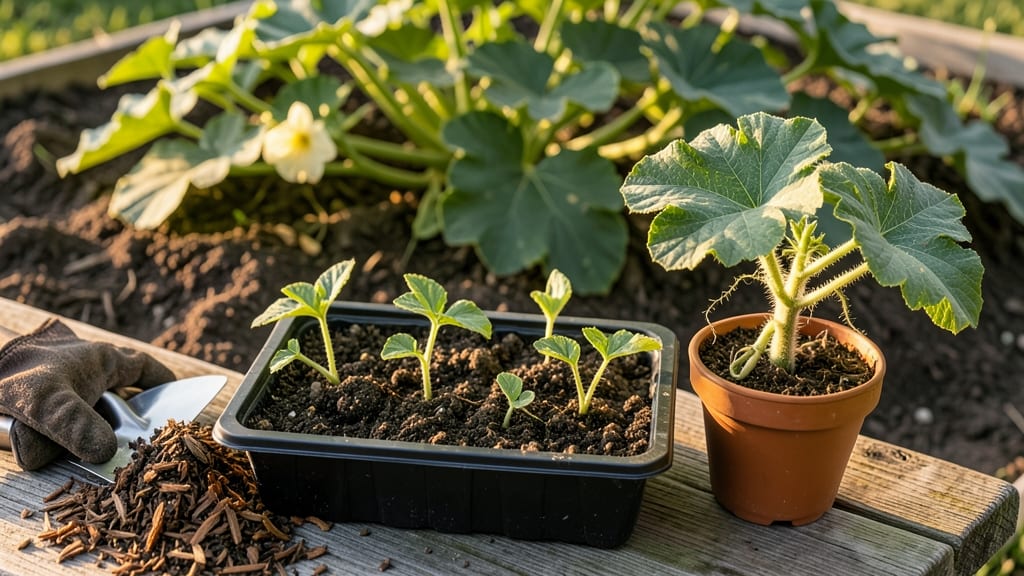
Planting your 🍉 watermelon at the wrong time in North Carolina can mean the difference between a bountiful harvest and wasted effort. With USDA zones 7a-8b offering just 180-220 frost-free days, getting those seeds in the ground at the perfect moment is critical for fast, healthy growth.
Most gardeners in North Carolina know the general rule—wait until after the last frost—but the real secret lies in soil temperature. Watermelon seeds need soil that's warmed to at least 70°F to germinate properly, and that typically happens between mid-April and early June.
If you plant too early, you risk stunted growth from cool soil, while late planting might leave your vines struggling before the first frost hits.
This guide will show you exactly when to plant based on your specific zone, plus pro tips like using black plastic mulch to accelerate soil warming. Whether you're growing early varieties or heat-loving late-season types, timing is everything for that sweet, juicy payoff.
Ready to turn your garden into a watermelon patch? Let's dive into the best planting windows for your North Carolina zone so you can enjoy homegrown fruit from July through September.
North Carolina watermelon planting dates by hardiness Zone: avoid frost & heat stress
North Carolina spans USDA Zones 5a to 8b, and your watermelon planting window depends heavily on your specific zone. In cooler zones like 5a-6b, you’ll need to time plantings carefully to avoid late frosts, while Zone 7a and warmer allow for longer growing seasons.
The key is planting after your last frost date—typically mid-April in the mountains and early March in the Coastal Plain—but also ensuring soil temperatures reach 70°F (21°C) for germination.
Watermelons thrive in 90-120 days of warm weather, so late plantings risk heat stress or immature fruit. For example, a Zone 6a garden in the Piedmont must start seeds indoors by March 15 or sow directly after May 1 to harvest before fall.
Meanwhile, Zone 8b gardens in the Coastal Plain can plant as early as mid-February for summer harvests.
Here’s how to align your planting with North Carolina’s microclimates and frost-free dates:
| USDA Zone | Last Frost Date | Optimal Planting Window | Soil Temp for Germination | Harvest Window |
|---|---|---|---|---|
| 5a-6a (Mountains) | Mid-April to May 1 | May 15–June 1 (direct sow) or start indoors April 1 | 75–80°F (24–27°C) | Late July–August |
| 6b-7a (Piedmont) | March 20–April 15 | April 1–May 15 (direct sow) or March 15 (indoors) | 70–75°F (21–24°C) | June–September |
| 7b-8a (Coastal Plain) | February 15–March 15 | February 28–April 30 (direct sow) or January 15 (indoors) | 65–70°F (18–21°C) | May–October |
| 8b (Southern Coastal) | January 15–February 15 | January 31–May 15 (direct sow) or December 1 (indoors) | 60–65°F (15–18°C) | April–November |
🌱 Note: Use black plastic mulch to warm soil faster in cooler zones.
For Zone 5a-6a gardeners, focus on early-maturing varieties like 'Sugar Baby' (70 days) or 'Black Diamond' (80 days) to beat fall frosts. In Zone 7b-8b, you can experiment with late-season varieties like 'Crimson Sweet' (90 days) or 'Charleston Gray' (85 days) for extended harvests.
Always check your local frost dates using resources like the NC State Extension’s frost calculator for precision.
Direct sowing is ideal for watermelons, but if you’re transplanting, start seeds 4-6 weeks before your last frost date. Use biodegradable pots to minimize root disturbance, and harden off seedlings by exposing them to outdoor conditions for 1-2 weeks before planting.
This reduces transplant shock, especially in Zone 5a-6a, where cooler soils slow early growth.
Watch for soil temperature fluctuations—watermelon seeds won’t germinate below 60°F (15°C), and growth stalls below 70°F (21°C). Use a soil thermometer to monitor conditions, especially in spring-planted gardens. If temperatures dip unexpectedly, cover seedlings with row fabric until the threat passes.
In Zone 8b, where winters are mild, you can even try fall plantings for late-season harvests. Sow seeds in early August for fruit ready by October or November, using heat-tolerant varieties like 'Jubilee' (85 days) to handle the transition from summer to fall.
Pro tip: Plant watermelons on black plastic mulch to raise soil temperatures by 5-10°F, speeding germination and early growth. This is
How to extend your North Carolina watermelon season with smart planting strategies
North Carolina’s short growing season can be tricky for watermelons, but with the right techniques, you can extend harvests by weeks or even months. The key is warming soil faster and protecting young plants from late frosts or early heat.
I’ve used these strategies in my Zone 7b garden to push harvests from July into September—and you can too!
First, black plastic mulch is a game-changer. It raises soil temperatures by 10-15°F and speeds up germination. Lay it down 2-3 weeks before planting to give your seeds a head start. For even earlier harvests, pair it with row covers until plants are established.
Succession planting is another smart move. Since watermelons take 70-90 days to mature, stagger plantings every 2 weeks from mid-April to early June. This ensures a steady supply of ripe fruit instead of one big harvest.
For late-season success, choose heat-tolerant varieties like ‘Crimson Sweet’ or ‘Sugar Baby.’ These handle NC’s 90°F+ summers better than delicate heirlooms. Plant them in late June for a fall harvest, using drip irrigation to keep roots cool during heatwaves.
Don’t overlook soil preparation. Amend beds with compost and aged manure before planting to boost fertility. Watermelons are heavy feeders, but too much nitrogen leads to leafy growth over fruit. A balanced 10-10-10 fertilizer applied every 4-6 weeks keeps them productive.
Vertical trellising saves space and improves air circulation, reducing fungal diseases. Compact varieties like ‘Tiny Tim’ thrive on trellises, while standard vines benefit from low hoops or cages. Just ensure vines get 6-10 feet of space to sprawl.
Finally, watch for pests like cucumber beetles and diseases like powdery mildew. Use neem oil or row covers early on, and remove affected leaves immediately. With these strategies, you’ll double your harvest window and enjoy watermelons from summer into early fall!
🌱 Top 5 Strategies to Extend Your NC Watermelon Season
- 1. Black Plastic Mulch: Warms soil by 10-15°F; lay down 2-3 weeks before planting for faster germination.
- 2. Row Covers: Protect young plants from late frosts until they’re 4-6 inches tall.
- 3. Succession Planting: Stagger plantings every 2 weeks from mid-April to June for continuous harvests.
- 4. Heat-Tolerant Varieties: Choose ‘Crimson Sweet’ or ‘Sugar Baby’ for 90°F+ summers; plant late June for fall fruit.
- 5. Vertical Trellising: Saves space and improves air flow; ideal for compact varieties like ‘Tiny Tim.’