
Plants
Massachusetts zinnia planting timeline by hardiness zone (5-6): exact dates for frost-free success
Massachusetts spans USDA zones 5 and 6, creating slightly different timing for zinnias. In zone 5 (western MA), the last frost typically arrives around May 15, while zone 6 (eastern MA) sees frost-free conditions by April 20.
These dates mark your starting point for planting zinnias, whether you're direct sowing seeds or transplanting seedlings.
For direct sowing, wait until soil temperatures reach at least 50°F—this usually aligns with late April to early May in zone 6 and mid-May in zone 5.
Zinnias thrive in warmth, so rushing them into cold soil can stunt growth or invite disease. I always test soil temperature with a simple thermometer to avoid guesswork.
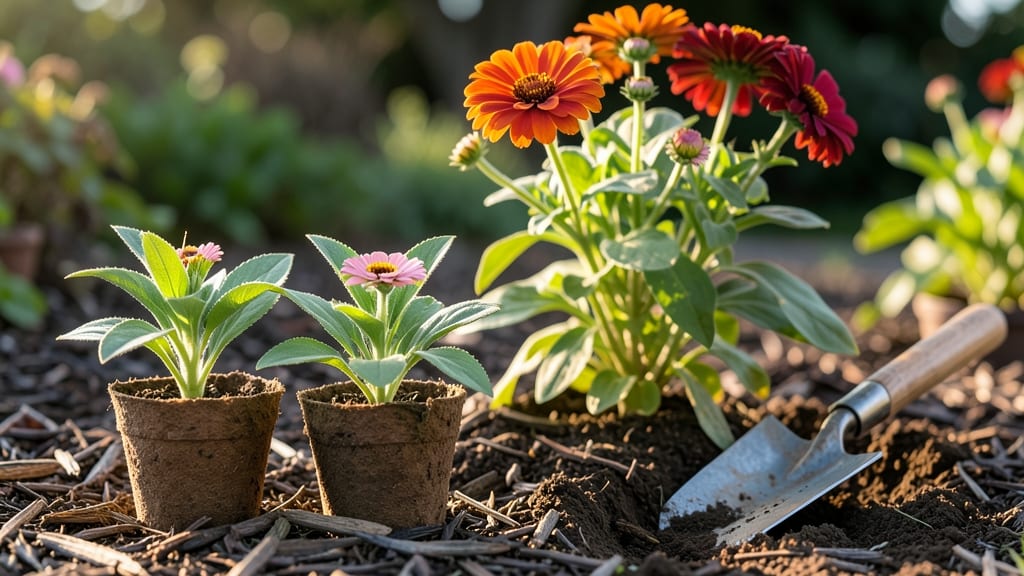
Transplanting seedlings gives you a 2-week head start over direct sowing. Start seeds indoors 6-8 weeks before your last frost date, so zone 6 gardeners can plant out by mid-April and zone 5 gardeners by early May. Harden off seedlings gradually to prevent transplant shock—a critical step I can’t emphasize enough.
| Zone | Last Frost Date | Direct Sow Window | Transplant Window | Soil Temp Threshold |
|---|---|---|---|---|
| Zone 5 (Western MA) | Mid-May | Late May - Early June | Early May - Mid-May | 50°F+ |
| Zone 6 (Eastern MA) | Late April | Late April - Early May | Mid-April - Late April | 50°F+ |
| Coastal Areas | Early April | Early April - Mid-April | Late March - Early April | 50°F+ |
Coastal Massachusetts gardeners enjoy an earlier start—sometimes as early as late March—thanks to milder microclimates. However, even coastal areas can experience late frosts, so I recommend having row covers ready to protect young plants if nighttime temperatures dip below 40°F.
These lightweight fabrics create a 5-10°F buffer without overheating plants.
If you miss the ideal window, don’t despair—zinnias are fast growers that can handle late spring plantings as late as early June. While these plants may bloom slightly later, they’ll still provide summer-long color until the first frost.
I’ve successfully planted zinnias in late June for fall color, though yields are smaller.
For succession planting, stagger sowings every 2-3 weeks from May through July. This ensures a continuous bloom cycle from early summer until frost. I like to mark planting dates on my calendar to avoid gaps—this method guarantees nonstop color in my garden beds.
Zinnias also tolerate light shade, making them ideal for partial sun gardens where full sun isn’t available. In these spots, expect slightly shorter stems and fewer blooms, but they’ll still thrive.
My north-facing beds get 4-6 hours of sun, and zinnias planted there still produce plenty of cheerful blooms.
Protect young zinnias from slugs and snails, which are common in MA’s damp springs. I use organic copper tape around containers and beds—it’s a chemical-free deterrent that works beautifully. For larger garden beds, a diatomaceous earth barrier around plants keeps pests at bay without harming beneficial insects.
Remember, soil preparation is key. Amend your beds with compost or aged manure before planting to improve drainage and fertility. Zinnias prefer well-draining soil and will bolt or rot in soggy conditions. My go-to mix is 50% garden soil, 30% compost, and 20% perlite for optimal growth.
Massachusetts zinnia planting timeline by hardiness zone (5-6): exact dates for frost-free success
Massachusetts spans USDA Zones 5 and 6, creating subtle but critical differences in your zinnia planting window. In Zone 5 (western MA), average last frost dates hover around May 15, while Zone 6 (eastern MA) typically sees frost-free conditions by April 25.
These dates aren't set in stone—always check your local Almanac's frost predictions for precision.
Zinnias thrive when soil temperatures stay above 50°F (10°C). In Zone 6, this usually aligns with late April, while Zone 5 gardeners should wait until early May. The key is planting after the last frost—not before—since zinnias won't tolerate even light frosts.
My rule of thumb? Wait until nighttime lows consistently stay above 40°F (4°C).
🌱 Massachusetts Zinnia Planting Summary
| Zone | Last Frost Avg | Soil Temp Threshold | Direct Sow Window | Transplant Window |
|---|---|---|---|---|
| Zone 5 (Western MA) | May 15 | 50°F (10°C) | May 15–June 1 | May 1–May 15 |
| Zone 6 (Eastern MA) | April 25 | 50°F (10°C) | April 30–May 15 | April 15–April 30 |
For direct sowing, scatter seeds ½ inch deep in well-drained soil after your zone's last frost date. I prefer this method for zinnias—they germinate quickly (in 7–10 days) and tolerate transplant shock poorly.
If you start seeds indoors, do so 4–6 weeks before your last frost date under grow lights for robust seedlings.
Pro tip: Use black plastic mulch to warm soil faster in Zone 5. This extends your planting window by 1–2 weeks and suppresses weeds. In my Zone 5 garden, I've successfully planted zinnias as late as June 1 using this technique—just expect slightly later blooms.
For succession planting, sow new seeds every 2 weeks until July 15 to enjoy continuous color through frost.
Coastal Massachusetts gardeners (like those in Barnstable County) can plant 2 weeks earlier than inland areas due to moderating ocean breezes. However, avoid planting near salt-spray zones, where soil salinity can stunt growth.
Always test your soil's pH (6.0–7.0 ideal)—zinnias prefer slightly acidic to neutral conditions for optimal bloom production.
Remember: Heat tolerance is zinnias' superpower. Once established, they thrive in 90°F+ temperatures that would stress many flowers. This makes them perfect for Massachusetts summers, where July and August often bring humid heat waves.
Plant them where they'll get 6–8 hours of full sun daily, and you'll reward yourself with bold blooms until first frost.