
Plants
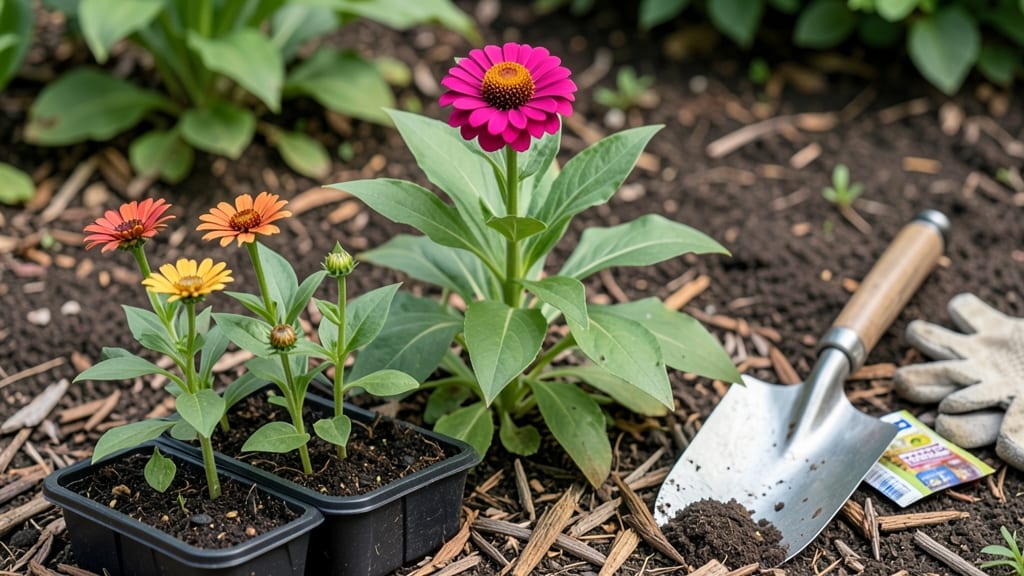
If you’ve ever planted zinnias in Oregon only to watch frost nip your seedlings or summer heat wilt them before they bloom, you’re not alone. The key to vibrant, long-lasting zinnias lies in knowing when to plant zinnias in Oregon—and it’s not as simple as following a one-size-fits-all calendar.
Oregon’s diverse climate—from the cooler coastal zones like Astoria to the hotter inland valleys near Bend—means frost dates and soil warmth vary wildly. Plant too early in the Willamette Valley, and a late spring frost could ruin your efforts.
Too late, and you’ll miss the summer-to-fall blooming window that makes zinnias a garden standout. The good news? With a few simple adjustments, you can time your planting for success.
I’ll break down the exact frost-free windows for your USDA zone, whether you’re in Portland, Eugene, or the high desert. You’ll learn how to prep your soil, when to start seeds indoors (or not), and how to protect young plants from Oregon’s unpredictable weather.
By the end, you’ll have a clear, actionable timeline to ensure your zinnias thrive from spring to fall**—no guesswork required.
Ready to turn your garden into a burst of color? Let’s get those zinnias in the ground at the perfect moment for your corner of Oregon.
Oregon zinnia planting timeline by USDA hardiness zones (7-9)
Zinnias are heat-loving annuals that thrive in Oregon’s summer, but their planting window depends on your USDA zone and last-frost dates. In Zone 7a (coastal), like Tillamook, you’ll plant later than Zone 9b (Medford), where summers are longer.
Always wait until soil temperatures hit 60°F (15°C)—zinnias refuse to germinate in cold soil!
For direct sowing, aim for 2-4 weeks after your area’s last frost date. In Portland (Zone 8a), that’s typically mid-April to early May, while Bend (Zone 7a) gardeners should wait until late May.
Transplants can handle slightly cooler soil, so you can start them 2 weeks earlier than seeds.
Here’s the critical rule: Zinnias grow best with 6-8 hours of sun daily and warm soil. If you plant too early, seedlings may rot in damp soil or get frost-nipped. Use row covers if you’re eager to start earlier—just remove them when flowers appear!
🌱
If you’re starting zinnias indoors, begin seeds 4-6 weeks before your last frost date. Use biodegradable pots to avoid transplant shock, and harden off seedlings for 7-10 days before moving them outdoors. This is especially useful for Zone 7a gardeners who want to beat the short season.
For fall planting, zinnias can handle Oregon’s mild autumns if sown 8-10 weeks before your first frost. In Zone 9a (Medford), that means late July to early August. In cooler zones (7a), stick to summer sowing—fall zinnias rarely mature before frost.
Pro tip: Mark your calendar for Oregon’s average frost dates and adjust by 1-2 weeks based on your microclimate. Coastal areas stay cooler longer, while inland zones like Hood River can plant 2 weeks earlier thanks to warmer afternoons and cooler nights.
🌿
Zinnias are fast growers—from seed to bloom takes 60-90 days depending on the variety. Dwarf zinnias (like 'Thumbelina') bloom in 60 days, while tall varieties (like 'Benary’s Giant') take 90 days.
Plan accordingly: if you’re in Zone 7a, prioritize early-blooming varieties to enjoy flowers before summer’s end.
Finally, test your soil before planting. Zinnias prefer well-draining, slightly acidic soil (pH 6.0-7.0). Amend heavy clay soils with compost or sand, and avoid waterlogged areas—zinnias hate soggy roots. A 5-minute soil test at your local Oregon State University Extension office can save you headaches later.
☀️
How to adjust zinnia planting for Oregon’s microclimates (coastal vs. inland)
Oregon’s coastal and inland regions create dramatically different growing conditions for zinnias. Coastal areas like Astoria and Seaside stay cooler and wetter longer, while inland zones like Bend or Redmond experience hotter, drier summers. These differences mean your planting timeline should shift by 2-4 weeks depending on location.
Coastal gardeners often face delayed soil warming due to ocean breezes and frequent fog. Inland areas, however, can have warmer soil earlier—sometimes weeks ahead of coastal regions. Understanding these patterns helps you avoid frost damage or missed blooming seasons.
Here’s how to adapt your zinia planting schedule based on Oregon’s microclimates, including tools like row covers and elevation adjustments to extend your growing window.
Coastal Oregon (Zones 7b-8a)
Pros
- 🌱 Longer growing season (cooler summers)
- 💧 Higher humidity reduces drought stress
- ✂️ Fewer heat-related pests (e.g., spider mites)
Cons
- 🌡️ Soil warms slowly (plant later)
- 🌬️ Wind exposure risks toppling tall varieties
- 🌧️ Late spring frosts possible until June
Inland Oregon (Zones 7a-9b)
Pros
- ☀️ Warmer soil earlier (plant 2-3 weeks sooner)
- 🌻 Longer bloom season (hotter summers)
- 🪴 Dwarf varieties thrive in high elevation
Cons
- 💧 Drought risk in summer (water deeply)
- 🌡️ Heat stress for seedlings (use shade cloth)
- 🐛 More pests (e.g., aphids, earwigs)
For coastal gardeners, start zinnias indoors by mid-March or use row covers to protect seedlings until late May. Inland areas can direct-sow after May 15 once soil reaches 60°F. Elevation matters too—add 1 week per 1,000 feet to coastal timelines when gardening in the Cascade foothills.
Pro tip: Use black plastic mulch to warm soil faster in coastal zones or straw mulch to retain moisture inland. Both tricks help zinnias establish roots quicker, ensuring bold blooms all summer.
🌱