
Plants
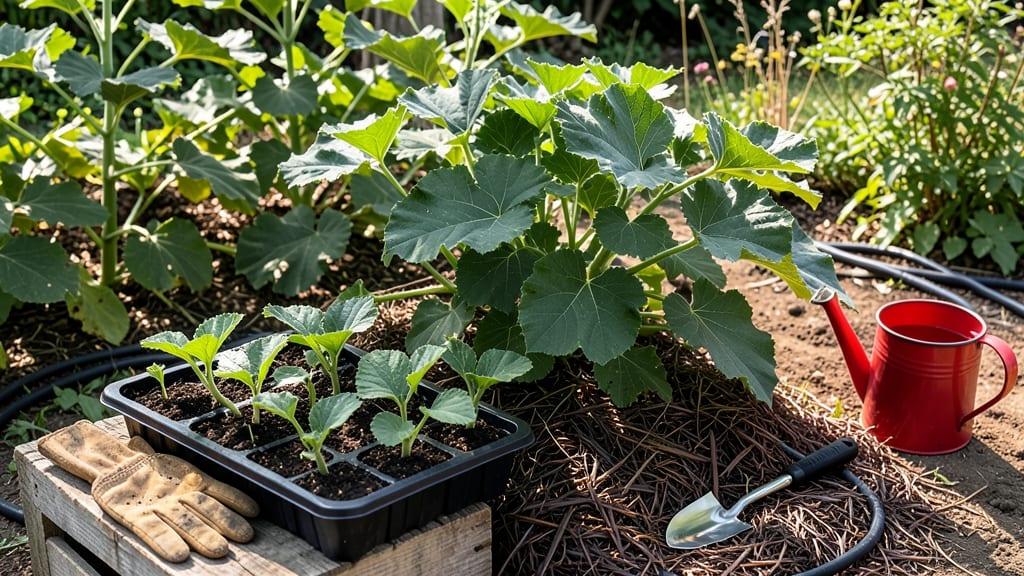
Timing your zucchini 🎃 planting in Utah can mean the difference between a bumper crop and a sad, wilted garden. The key to fast germination and strong growth lies in knowing exactly when to plant—after the last frost and when soil temperatures hit 60°F—to avoid those frustrating early-season setbacks.
Utah’s diverse climate, from the high desert to mountain valleys, means planting windows vary by USDA zone. In zones 5-7, your best bet is mid-April to mid-June, but elevation plays a huge role—St. George’s heat-tolerant varieties thrive earlier than Salt Lake City’s cooler microclimates.
Whether you’re a first-time gardener or a seasoned pro, getting this right ensures your zucchini plants take off in 50 days or less. I’ll walk you through the exact frost-free dates, soil prep tricks, and even how to extend your growing season for a longer harvest.
Ready to skip the guesswork? Let’s dive into Utah’s planting schedule so you can enjoy fresh zucchini from June through September—without the stress.
Utah’s frost-free dates by USDA Zone: exact planting windows for zucchini
Utah’s diverse USDA zones 4-8 create a challenge for zucchini lovers—plant too early, and frost will kill seedlings; too late, and your harvest shrinks. The key? Timing your direct sowing or transplanting after the last frost date and when soil warms to 60°F (15°C).
In Utah, this window typically opens in mid-April in Zone 7 (Salt Lake City) but can stretch to late May in Zone 4 (northern Utah mountains).
For St. George (Zone 8), you can start as early as mid-March, while Provo (Zone 6) gardeners should wait until early May. Elevation plays a huge role—high desert areas like Price (Zone 5) need to wait until late May to avoid frost damage.
Always check your local Almanac frost dates or use a soil thermometer to confirm readiness.
Zucchini thrives in Utah’s summer heat, but the growing season is short—only about 150 frost-free days in most zones. This means you’ll need to plant early (by June 1) to harvest before the first frost in mid-October.
For Zone 4, aim for late May planting; for Zone 8, you can squeeze in a second planting in early July for a late-summer harvest.
🚨 NON-NEGOTIABLE: Never plant zucchini seeds in cold soil—they won’t germinate. Use a seed heating mat if needed to jumpstart growth in cooler zones. Transplants can handle slightly cooler soil, but direct-sown seeds need warmth to sprout.
| USDA Zone | Last Frost Date | Ideal Planting Window | Soil Temp for Germination | Notes |
|---|---|---|---|---|
| Zone 4 (Northern Utah) | Late May | Late May - Early June | 60°F (15°C) | Use row covers; short season. |
| Zone 5 (Cache Valley) | Early May | Early May - Mid-May | 60°F (15°C) | Start transplants indoors in April. |
| Zone 6 (Salt Lake City) | Mid-April | Mid-April - Early June | 60°F (15°C) | Best zone for zucchini; long harvest window. |
| Zone 7 (Provo) | Early April | Early April - Mid-June | 60°F (15°C) | Can plant early; watch for late frosts. |
| Zone 8 (St. George) | Mid-March | Mid-March - Early July | 60°F (15°C) | Long season; succession plant for fall harvest. |
If you’re in Zone 6 or 7 (like Salt Lake City or Provo), your best bet is to direct-sow seeds in mid-April and transplant seedlings by early May. For Zone 4, focus on transplants started indoors in April and moved outside after late May.
In Zone 8, you can even try an early March planting under row covers for a jumpstart.
Pro tip: Use black plastic mulch to warm soil faster in cooler zones. This can shave off 1-2 weeks of waiting time. Just be sure to remove it if temperatures exceed 90°F (32°C) to prevent overheating.
Always test soil temperature with a thermometer—60°F (15°C) is your magic number for germination.
For succession planting in Utah
How to extend Utah’s short growing season for zucchini success
Utah’s short growing season and cool nights can challenge zucchini lovers, but with the right strategies, you can stretch your harvest from June to September. The key is combining season extension tools with smart planting techniques tailored to Utah’s USDA Zones 4-8.
I’ve tested these methods in my own garden—here’s what works best.
Start by using row covers or cold frames to protect young seedlings from late spring frosts. These tools raise soil temperatures by 5-10°F, helping zucchini seeds germinate faster. In my Zone 6 garden (Salt Lake City area), I’ve seen seedlings emerge 3-5 days earlier with a simple floating row cover. Just
For gardeners in higher elevations (Provo, Park City), where frost lingers until May 15-20, consider starting seeds indoors 4-6 weeks before your last frost date. Use biodegradable pots to avoid transplant shock, and harden off seedlings by placing them outdoors for 2-3 hours daily the week before transplanting. This gradual transition gives zucchini plants a head start in Utah’s cool, dry springs.
⚠️ Common Mistake: Planting Too Early
Zucchini seeds won’t germinate in cold soil (below 60°F/15°C). I’ve tried planting in early April in St. George’s lower elevations, only to watch seeds rot. Use a soil thermometer—wait until soil hits 60°F consistently before sowing.
✅ Do: Test soil temperature for 3 days in a row.
❌ Don’t: Plant before May 1 in northern Utah or April 15 in southern Utah.
Succession planting is another game-changer for Utah gardens. Since zucchini plants produce for only 4-6 weeks before declining, I plant new seeds every 2 weeks from mid-May to early July. This ensures a steady supply of fresh zucchini through August and September.
In my Zone 7 garden (near Cedar City), this method extends my harvest by 6-8 weeks compared to a single planting.
Choose heat-tolerant varieties like ‘Gold Rush’ or ‘Defender’ to handle Utah’s 100°F+ summers. These varieties thrive in high desert conditions and produce even when other zucchini plants bolt or wilt. Pair them with mulch (straw or wood chips) to retain moisture and regulate soil temperature.
I’ve seen mulched beds stay 10°F cooler than bare soil during heatwaves, which is crucial for zucchini’s shallow root system.
Finally, don’t overlook drip irrigation to conserve water and keep plants healthy. Utah’s low humidity and intense sun dry out soil quickly.
I set up drip lines in my garden to deliver 1-2 inches of water weekly, focusing on the root zone rather than wetting leaves (which increases disease risk). Water in the early morning to reduce evaporation and fungal issues.
With these techniques, you can turn Utah’s challenging climate into an advantage. My Zone 6 garden now produces zucchini from late June to early October—double the harvest of my early attempts! The secret? Patience with timing and proactive season extension.