
Plants
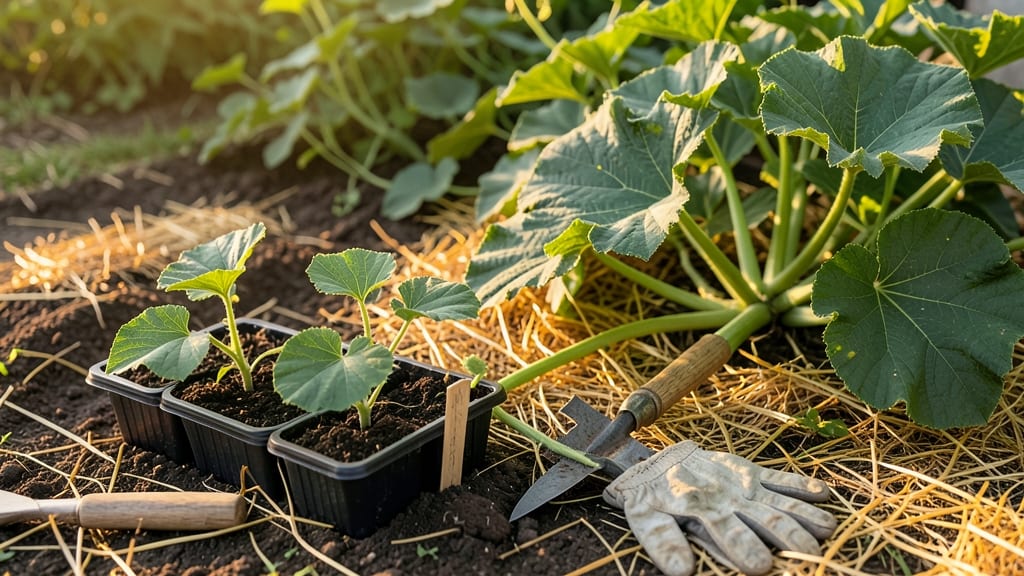
Timing your zucchini 🎃 planting in Zone 7 could mean the difference between a bountiful harvest and a sad, wilted disappointment. The ideal window—late April to early June—isn’t just about avoiding frost; it’s about giving your plants the warm soil they crave to germinate fast and thrive.
I’ve seen firsthand how a few weeks off can turn a thriving garden into a struggle, especially in Zone 7 where temperatures swing unpredictably. Whether you’re a beginner or a seasoned gardener, knowing the exact frost-free dates and soil temperature thresholds is the key to success.
In this guide, I’ll walk you through the precise planting schedule, soil prep tips, and even how to extend your growing season for those late-summer zucchinis. No more guesswork—just a foolproof plan for a garden bursting with summer squash.
Ready to skip the trial-and-error? Let’s get your zucchini in the ground at the perfect time for maximum growth and zero wasted effort.
Zone 7 zucchini planting calendar: exact frost-free dates by month
Planting zucchini in Zone 7 requires precision—your last frost date (typically around April 15) marks the starting line, but soil temperature is the real game-changer. Zucchini seeds need 60°F+ soil to germinate reliably.
Waiting for both frost-free conditions and warm soil ensures your plants bolt to maturity instead of sitting in the dirt.
In Zone 7, your optimal planting window stretches from late April to early June. This gives you flexibility for direct sowing or transplanting starts, but timing matters—plant too early, and frost will kill tender seedlings.
Too late, and you’ll miss the peak harvest window of June to September.
Here’s your Zone 7 zucchini planting calendar, broken down by month with key milestones to maximize germination and yield:
For Northern Zone 7 (e.g., Pittsburgh, PA), aim for late April to mid-May—cooler soils delay germination. In Southern Zone 7 (e.g., Atlanta, GA), you can start as early as mid-April if nights stay above 50°F.
Always check your local frost dates—even a light frost can stunt young zucchini plants.
If you’re transplanting seedlings, harden them off for 7-10 days before moving them to the garden. Seedlings need 50-55°F soil to survive transplant shock, but they’ll grow faster once soil warms to 60°F+.
For direct sowing, plant seeds 1 inch deep, spacing them 2-3 feet apart to prevent disease and allow airflow.
Zone 7 gardeners often make the mistake of planting too early, hoping for a head start. But cold soil causes seeds to rot, and frost will kill seedlings. Wait for consistent warmth—your zucchini will reward you with fast germination (5-10 days) and heavy yields if you time it right.
Once planted, monitor your zucchini for yellowing leaves or stunted growth—signs of nutrient deficiency or pests. Feed with a balanced fertilizer (10-10-10) every 4-6 weeks to keep plants producing. And remember: harvest frequently to encourage more fruit!
By following this Zone 7 planting calendar, you’ll avoid the most common mistakes and enjoy a bountiful zucchini harvest from June through September. Happy gardening!
Zone 7 zucchini planting calendar: exact frost-free dates by month
In Zone 7, zucchini thrives when planted after the last frost date—typically around April 15—but soil temperature matters just as much as air temperature. Zucchini seeds need soil at least 60°F to germinate reliably, and waiting for these conditions ensures fast, vigorous growth.
The average last frost date in Zone 7 varies slightly by region, so always check your local Almanac for precision.
For Northern Zone 7 (e.g., parts of Ohio, Pennsylvania), aim for late April to early May planting. In Southern Zone 7 (e.g., North Carolina, Georgia), you can start as early as mid-April if the soil warms quickly.
Always test soil temperature with a soil thermometer—it’s the most accurate way to avoid delays.
📅 Zone 7 Zucchini Planting Timeline
| Month | Soil Temp Requirement | Planting Window | Germination Time |
|---|---|---|---|
| April | ≥60°F (Southern Zone 7) | Late April (Northern) / Mid-April (Southern) | 7-10 days |
| May | ≥60°F (All Zone 7) | Early to Mid-May (Backup) | 5-7 days |
| June | ≥65°F (Succession Planting) | Late June (For Fall Harvest) | 7-10 days |
💡 Pro Tip: Use black plastic mulch 2 weeks before planting to warm soil faster.
If you miss the spring window, don’t worry—zucchini also grows well in late summer for a fall harvest. Plant seeds again in late June to enjoy zucchini until the first frost, typically around October 15. This succession planting strategy maximizes your harvest and reduces waste.
For container gardening in Zone 7, start seeds indoors 3-4 weeks before your last frost date. Transplant seedlings into pots at least 5-gallon size when soil warms, ensuring they get 6+ hours of sun.
Containers heat up faster, so monitor soil moisture closely—zucchini in pots needs watering daily in summer.
One common mistake is relying on air temperature alone. Even if daytime temps are warm, chilly nights can delay germination. Use row covers or cloches for early starts to create a microclimate. These tools add just 2-4°F of warmth, enough to jumpstart growth in cooler Zone 7 springs.
Remember: Zucchini grows fastest when soil stays warm, so avoid planting until you’ve confirmed consistent 60°F+ temps for at least a week. Patience here pays off with bigger yields and fewer pests. Happy planting! 🌱