
Companion Plants
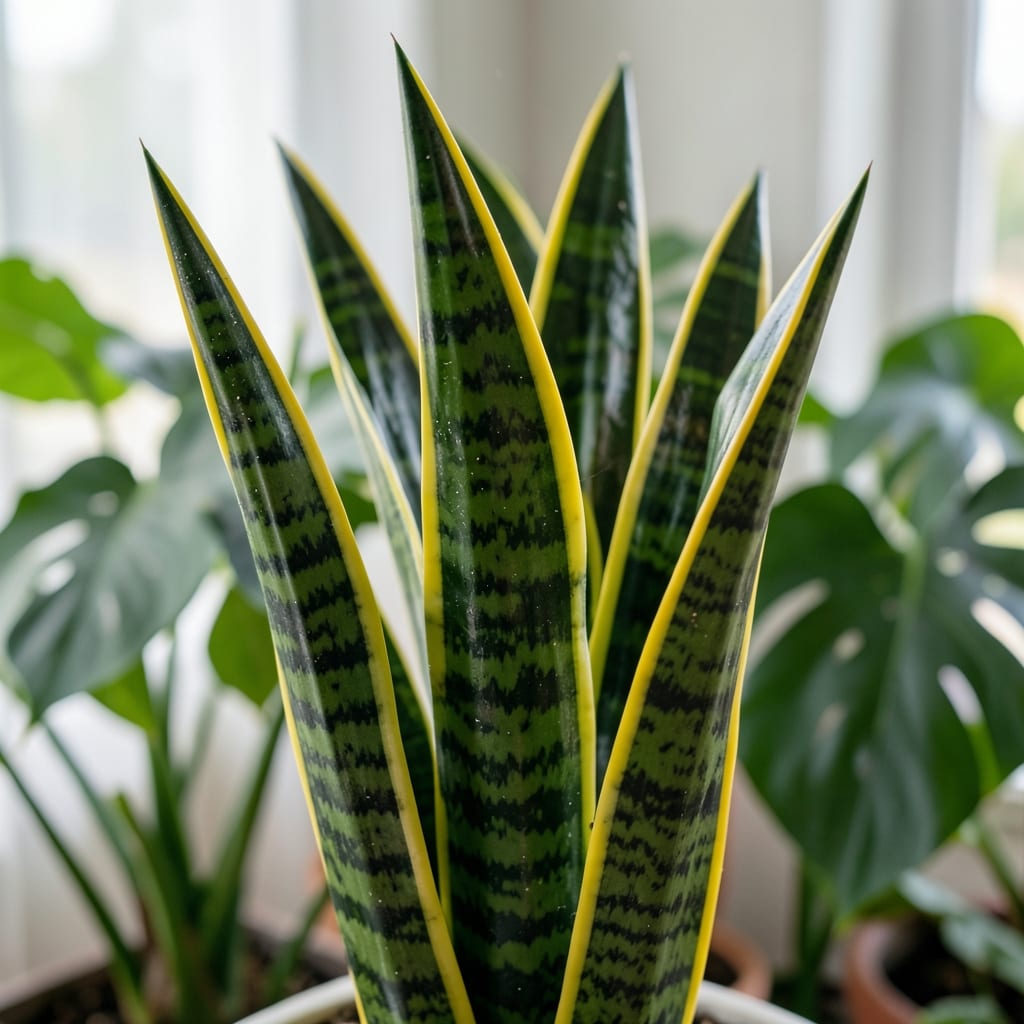
If you're wondering "how much light does a snake plant require", you're in the right place. This resilient 🌱 Snake Plant is one of the easiest houseplants to care for, thanks to its incredible adaptability to different light conditions.
While it can survive in low-light spaces, giving your snake plant bright indirect light for about 6 hours daily is ideal. This helps maintain its signature upright leaves and vibrant green color. Too little light, and you might notice slow growth or leggy stems.
Don’t worry if your space doesn’t get much natural light—snake plants are forgiving. They can even tolerate artificial lighting, making them perfect for offices or dimly lit rooms. The key is finding that sweet spot where they get enough light to thrive without getting sunburned.
In this guide, I’ll break down exactly how much light your snake plant needs, how to spot signs of too much or too little light, and simple tips to keep it happy year-round—whether you’re in USDA Zone 6a or beyond.

Optimal light requirements for snake plants: bright indirect sun vs. direct sunlight
Snake plants (Sansevieria) are famous for their low-light tolerance, but they truly thrive with bright indirect light—about 6 hours daily. This balance ensures their iconic upright leaves stay vibrant green and compact, not stretched or pale. Let’s break down how different light levels affect your plant’s health and growth.
In nature, snake plants grow under dappled shade in African savannas, where they receive filtered sunlight. Mimicking this environment indoors is key. Too little light slows growth, while too much can scorch leaves. The goal is bright but diffused light, like that from an east-facing window or a few feet from a south-facing one.
Here’s how your snake plant responds to various light conditions:
For indoor setups, place your snake plant 1-3 feet from an east-facing window or 3-6 feet from a south-facing window. If your space only gets north-facing light, your plant will survive but may grow slower. In these cases, supplement with a grow light for 12 hours daily to mimic natural cycles.
Outdoors, snake plants can handle partial shade but avoid harsh afternoon sun, especially in USDA Zone 6a summers. If growing outside, position them in morning sun with afternoon shade or use a lightweight shade cloth to diffuse intensity.
Pro tip: Rotate your plant quarter-turns every 2-3 weeks to ensure even light exposure. This prevents leaves from leaning toward the light source, keeping that balanced, architectural look snake plants are known for.
Remember, snake plants are forgiving, but they’ll always reward you with healthier growth when given their ideal 6 hours of bright indirect light. Even in low-light conditions, they’ll survive—but why settle for "surviving" when they can thrive? 🌱
Optimal light requirements for snake plants: bright indirect sun vs. direct sunlight
Your snake plant (Sansevieria) thrives best with bright indirect light for about 6 hours daily. This mimics its natural habitat under dappled forest light. While it can tolerate lower light, too little causes leggy growth and weak stems, while too much direct sun can scorch its leaves.
Think of your snake plant’s ideal spot as similar to a north-facing window with filtered light. East or west windows work too, but avoid harsh afternoon sun. Even in USDA Zone 6a, outdoor snake plants need partial shade during peak summer hours to prevent leaf burn.
Here’s how different light levels affect your plant’s health:
| Light Level | Daily Hours | Plant Response | Best For |
|---|---|---|---|
| Low Light | 2-4 hours | Slow growth, stretched leaves | Offices, dim corners |
| Bright Indirect | 6 hours | Healthy growth, vibrant leaves | North windows, filtered light |
| Direct Sun | 4+ hours | Brown tips, crispy edges | South windows (use sheer curtains) |
If your snake plant gets only 2-4 hours of light daily, rotate its pot every 2-3 weeks to ensure even growth. This prevents the leaves from leaning toward the light source, which creates that unsightly leggy appearance. For outdoor plants, provide afternoon shade during summer months to protect against intense sunlight.
Pro tip: Place your snake plant 1-3 feet from a north-facing window for perfect bright indirect light. If your space lacks natural light, supplement with a grow light 12-15 inches away for 6-8 hours daily. This mimics the ideal light conditions without risking sunburn.
Remember, snake plants are drought-tolerant but not sun-tolerant. Balancing their light exposure is key to keeping them lush and thriving year-round, whether indoors or out.