
Trees
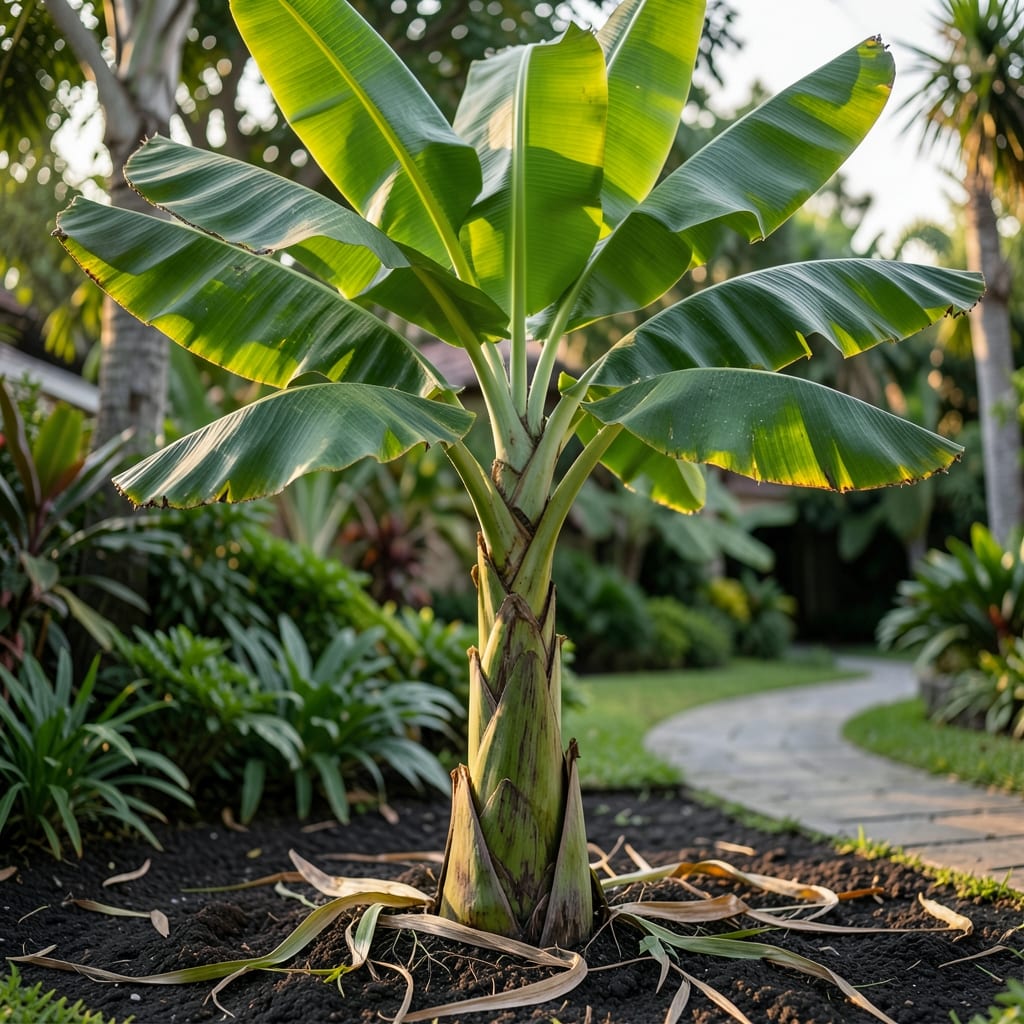
If you’ve ever wondered just how tall banana trees grow, you’re not alone—this tropical giant can surprise even seasoned gardeners with its impressive stature. The 🍌 Banana Tree thrives in zones 10-12 (or as a houseplant in cooler climates), but its height varies wildly depending on the variety, care, and growing conditions.
Some varieties, like the Dwarf Cavendish, stay manageable at just 10-12 feet, making them perfect for containers, while others, such as the towering Red Dacca, can stretch up to 25 feet or more in ideal conditions. Whether you’re dreaming of a backyard harvest or a compact patio plant, understanding these differences is key to planning your space—and your expectations.
What’s even more fascinating is how quickly these trees grow. With the right soil, sunlight, and water, a banana tree can shoot up 3-6 feet in its first year alone. But here’s the catch: without proper care, even the hardiest varieties can struggle to reach their full potential. The good news? With a few simple tweaks—like choosing the right variety for your climate or mastering container gardening—you can help your banana tree thrive, no matter how much (or little) space you have.
Ready to turn your tropical vision into reality? Let’s break down the exact heights by variety, the secrets to maximizing growth, and how to keep your banana tree happy—whether it’s a 10-foot patio star or a 30-foot garden centerpiece. Your future harvest starts here.

Banana tree height by variety: from dwarf to giant species
Banana trees are famous for their dramatic height, but not all varieties reach the same towering stature. The Dwarf Cavendish, a popular commercial type, typically grows 10–12 feet tall, making it ideal for home gardens. Meanwhile, the Red Dacca variety can soar to 20–25 feet, resembling a small palm tree. Choosing the right variety depends on your space and climate—some thrive in containers while others need ample outdoor room.
Understanding these height differences helps you plan your garden layout. For example, Lady Finger bananas max out at 12–15 feet, perfect for small backyards, while Musa acuminata (wild bananas) can exceed 25 feet in tropical climates. Each variety also has a unique growth timeline—some produce fruit in 12–18 months, while others take 2–3 years to mature.
| Variety | Mature Height | Growth Timeline | Best For |
|---|---|---|---|
| Dwarf Cavendish | 10–12 ft | 12–18 months | Containers, small gardens |
| Lady Finger | 12–15 ft | 18–24 months | Backyards, urban gardens |
| Red Dacca | 20–25 ft | 2–3 years | Large gardens, tropical climates |
| Musa acuminata | 25–30+ ft | 3+ years | Tropical regions, large estates |
| Ice Cream Banana | 6–10 ft | 12–15 months | Containers, small spaces |
If you’re growing bananas in cooler climates, dwarf varieties like Ice Cream Banana (6–10 feet) are your best bet—they’re hardier and adapt better to USDA Zones 9–11. In contrast, tropical varieties need year-round warmth and may struggle in areas with frost. Always check your local microclimate before selecting a variety, as even a few degrees difference can impact growth.
One common misconception is that banana trees grow continuously like bamboo. In reality, they produce a single harvest before the pseudostem dies back. After fruiting, the mother plant is often removed, but suckers (new shoots) emerge from the base, allowing the cycle to repeat. This means your 10-foot Dwarf Cavendish might produce fruit for 1–2 years before needing replacement.
For container gardening, stick to dwarf or semi-dwarf types. A 5-gallon pot can support a Dwarf Cavendish for 1–2 years, but you’ll need to upgrade to 15+ gallons as the tree matures. Without proper pot size, roots become root-bound, stunting growth and reducing fruit production. Always use pots with drainage holes to prevent root rot.
In tropical climates, banana trees can grow 3–6 feet per year under ideal conditions. However, nutrient deficiencies, poor drainage, or pests can slow growth significantly. For example, a lack of potassium causes yellowing leaves, while aphids sap nutrients, both of which limit height potential. Regular soil testing and balanced fertilization (like 10-10-10 NPK) keep your tree on track for its full height.
If you’re planning a banana tree as a privacy screen, the Red Dacca or Musa acuminata varieties are excellent choices—their 20–30-foot height creates a lush, tropical barrier. Just ensure you have 10+ feet of vertical clearance for mature trees, as their large leaves can damage roofs or power lines. Always plant at least 10 feet away from structures to avoid future issues.
For indoor growers, dwarf varieties like Dwarf Blue Java (8–10 feet) thrive near south-facing windows with supplemental grow lights. These trees rarely exceed 10 feet indoors but still produce edible fruit. The key is maintaining consistent humidity (60%+) and warmth (70°F+)—bananas are tropical plants at heart!
Remember, the height of your banana tree isn’t just about genetics—it’s also about care. With the right variety, location, and maintenance, you can enjoy a thriving tree that matches your space’s needs. Whether you’re aiming for a compact container plant or a towering tropical giant, the choice is yours!
Factors that determine how tall your banana tree will grow
If you’ve ever wondered why your banana tree isn’t reaching its expected height, the answer often lies in the environmental factors you can control. While genetics set the maximum height, factors like climate, soil quality, and sunlight exposure determine how close your tree gets to that potential. For example, a Red Dacca variety might only hit 15 feet instead of 25 feet if grown in partial shade or poor soil.
One of the biggest influences is your USDA hardiness zone. Banana trees thrive in Zones 10–12, where temperatures stay above 50°F year-round. In cooler zones (like Zone 9), even dwarf varieties struggle to reach their full height unless you use container growing or greenhouse protection. Frost is the ultimate growth killer—even a single night below 32°F can stunt a tree permanently.
- 🌡️ Climate Zone: Zones 10–12 for full height; cooler zones limit growth unless container-grown.
- ☀️ Sunlight: 6+ hours daily of direct sun; partial shade reduces height by 30–50%.
- 💧 Watering: Consistent moisture (1–2 inches/week); drought stress stunts growth.
- 🌱 Soil Nutrients: Balanced NPK (10-10-10) prevents deficiencies that limit height.
- ✂️ Pruning: Removing dead leaves improves airflow; over-pruning reduces energy for growth.
Sunlight is another critical factor—banana trees need full sun (6+ hours daily) to reach their full height. In partial shade, growth slows by 30–50%, and leaves may turn yellow. If you’re growing indoors, place your tree near a south-facing window and supplement with grow lights for 12–14 hours/day. Without enough light, even dwarf varieties like Dwarf Cavendish may only reach 6–8 feet instead of 10–12 feet.
Watering plays a surprising role in height—banana trees need consistent moisture but hate soggy soil. Overwatering causes root rot, while underwatering stresses the plant, both of which limit vertical growth. In tropical climates, deep watering 2–3 times per week keeps trees thriving, but in containers, you’ll need to water daily during hot months. A simple trick? Check soil moisture by sticking your finger 2 inches deep—if it’s dry, it’s time to water.
Soil quality directly impacts height—banana trees crave well-draining, nutrient-rich soil with a pH of 5.5–7.0. Poor soil leads to nutrient deficiencies, which stunt growth. For example, a lack of potassium causes yellowing leaves and slower height gain. To fix this, amend your soil with compost or use a balanced fertilizer (10-10-10) every 4–6 weeks during the growing season. In containers, refresh the soil annually to prevent nutrient depletion.
Pruning might seem counterintuitive for height growth, but it’s essential for maintaining a healthy tree. Removing dead or yellow leaves improves airflow, reducing the risk of fungal diseases that slow growth. However, avoid heavy pruning—cutting too many leaves reduces the tree’s ability to photosynthesize, which directly impacts height. Focus on sanitary pruning (removing only damaged or diseased foliage) to keep your banana tree on track for its full potential.
Even the container size affects height—root-bound trees grow slower and may never reach their expected height. If you’re growing a Dwarf Cavendish in a 5-gallon pot, it’ll likely max out at 8 feet instead of 12 feet. For optimal growth, upgrade to a 15+ gallon pot by Year 2 and 25+ gallons by Year 3. In-ground planting gives the best height results, but containers work well with dwarf varieties and proper care.
Finally, don’t forget that banana trees are one-time harvesters—after fruiting, the mother plant dies back, but suckers (new shoots) emerge to continue the cycle. If you’re growing for height, focus on nurturing the strongest sucker to replace the old plant. With the right conditions, your new tree can reach the same height as its predecessor, ensuring your tropical oasis keeps growing taller with each season.