
How To
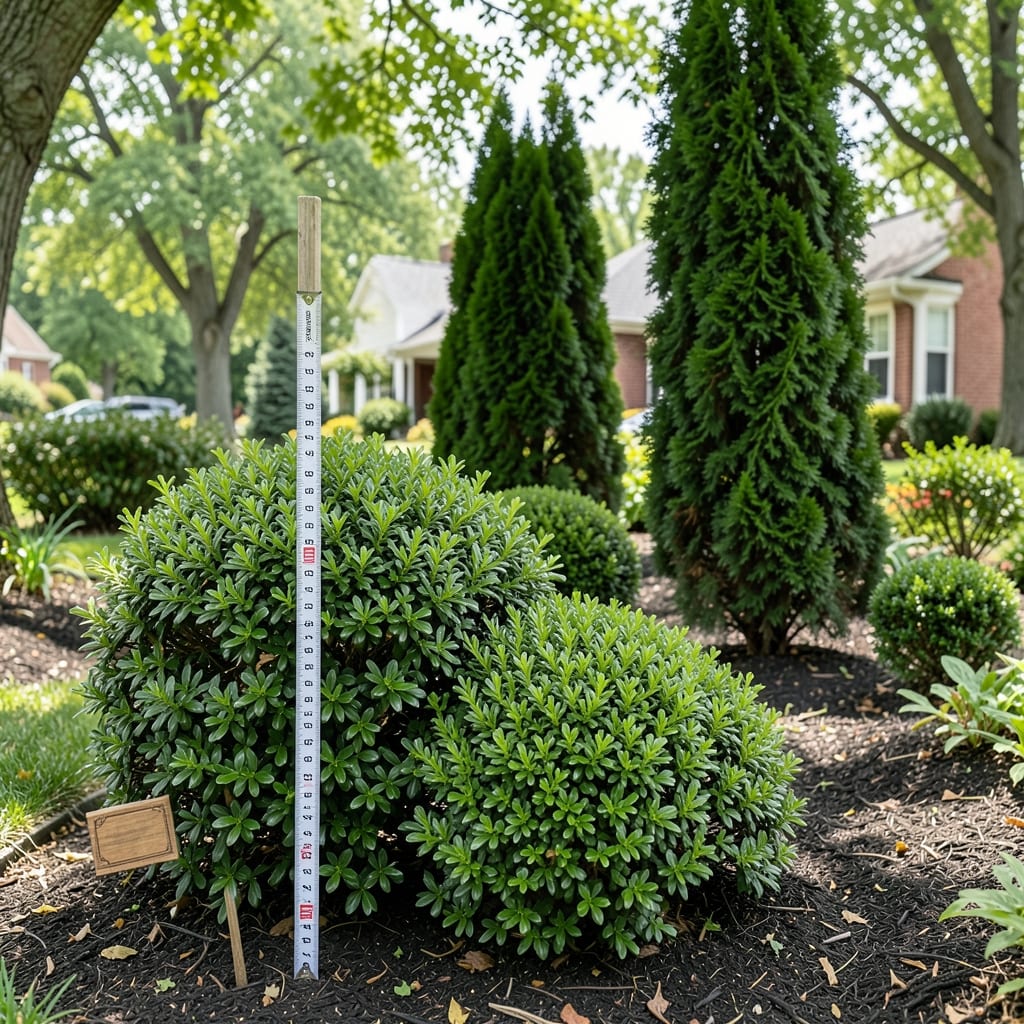
If you're planning a boxwood hedge or just curious about how tall your 🌿 shrubs will grow, the answer isn't one-size-fits-all. Some varieties stay compact at just 1 foot, while others can tower over 10 feet—and everything in between. Understanding these differences is the key to designing a landscape that looks polished year after year.
The growth rate of your boxwood depends on more than just its variety—soil quality, sunlight exposure, and how often you prune all play a role. For example, a 'Dwarf Burki' might only grow 1 inch per year, while a 'American Holly' could add 1 foot annually under ideal conditions. Knowing these details helps you set realistic expectations and avoid over-pruning or under-maintaining.
In this guide, I’ll break down exactly how tall different boxwood varieties grow over time, from their first year to full maturity. You’ll also discover how to control their height naturally—whether you want a low border or a towering privacy screen. Let’s get started with the numbers you need to plan your garden like a pro.
Whether you’re a first-time gardener or a seasoned landscaper, these insights will save you time and frustration. By the end, you’ll know not just how tall boxwood can grow, but how to shape them to fit your vision—without sacrificing their health or beauty.

Boxwood growth rates by variety: year-by-year height projections
Boxwoods are incredibly versatile, but their growth rates can vary wildly depending on the variety. Some stay small enough for container gardening, while others become towering privacy hedges. Understanding these differences helps you choose the right type for your space. For example, a 'Green Velvet' might reach just 2 feet at maturity, while an 'American Holly' can easily surpass 10 feet.
The key to planning is knowing how much your boxwood will grow each year. Most varieties grow 6-12 inches annually, but some dwarf types add only 1-2 inches per year. This means a 3-foot hedge could take 3-5 years to establish, depending on the variety and growing conditions. Let’s break down the specifics so you can set realistic expectations for your garden.
Below, you’ll find a detailed comparison of popular boxwood varieties, including their first-year growth, mature height, and typical growth rates. This will help you visualize how your plants will develop over time and plan your landscape accordingly.
As you can see, the 'Dwarf Burki' is ideal for low borders or container gardening, while the 'American Holly' is perfect for creating a tall privacy screen. If you’re aiming for a 3-foot hedge, varieties like 'Green Velvet' or 'Winter Gem' are excellent choices. For larger landscapes, 'Emerald Green' or 'Little Leaf' can provide both height and structure.
One thing to note is that boxwoods often grow faster in their first few years before slowing down as they mature. This means your first-year height is just the beginning—your plants will continue to fill out and thicken over time. For example, a 'Little Leaf' might only reach 18 inches in its first year but could double in height by year three.
If you’re planning a multi-tiered hedge, consider mixing varieties. For instance, plant 'Dwarf Burki' along the front for a clean edge, then layer 'Winter Gem' behind it for added height. This creates visual interest while keeping maintenance manageable. Just
For those who want to control growth, strategic pruning can help keep boxwoods at a desired height. For example, if you’re growing 'Emerald Green' but want to limit it
Boxwood growth rates by variety: year-by-year height projections
Boxwoods are one of the most versatile shrubs for landscaping, but their growth rates can vary wildly depending on the variety. Some stay low and compact, perfect for borders, while others grow tall enough to create privacy screens. Understanding these differences helps you choose the right boxwood for your space and plan your garden layout accordingly.
The key to managing boxwood height starts with selecting the right variety. For example, 'Green Velvet' stays under 3 feet tall, making it ideal for edging, while 'American Holly' can reach 10 feet or more. Even within the same species, growth rates differ—some varieties grow just 1 inch per year, while others can add 1 foot annually under optimal conditions.
Here’s a side-by-side comparison of how different boxwood varieties grow over time, from their first year to maturity. This chart will help you visualize which varieties fit your height goals and timeline.
As you can see, the growth rate of boxwood varies significantly. Dwarf varieties like 'Dwarf Burki' are perfect for small spaces or container gardening, while taller varieties like 'American Holly' are ideal for creating natural privacy barriers. If you’re planning a hedge, consider spacing plants according to their mature size—3-6 feet apart for standard varieties—to avoid overcrowding.
One common mistake is assuming all boxwoods grow at the same rate. For example, if you plant 'Green Velvet' expecting it to reach 6 feet, you’ll be disappointed—it maxes out around 3 feet. On the flip side, if you’re aiming for a tall hedge and plant 'Dwarf Burki', you’ll need to wait years (or never reach your goal). Knowing these details upfront saves time and effort in the long run.
For the fastest growth, focus on varieties like 'American Holly' or 'Winter Gem', which can add up to 1 foot per year with proper care. If you prefer slower-growing varieties, 'Green Velvet' or 'Little Gem' are excellent choices for low-maintenance borders. The key is to match your variety to your space and goals from the start.