
Trees
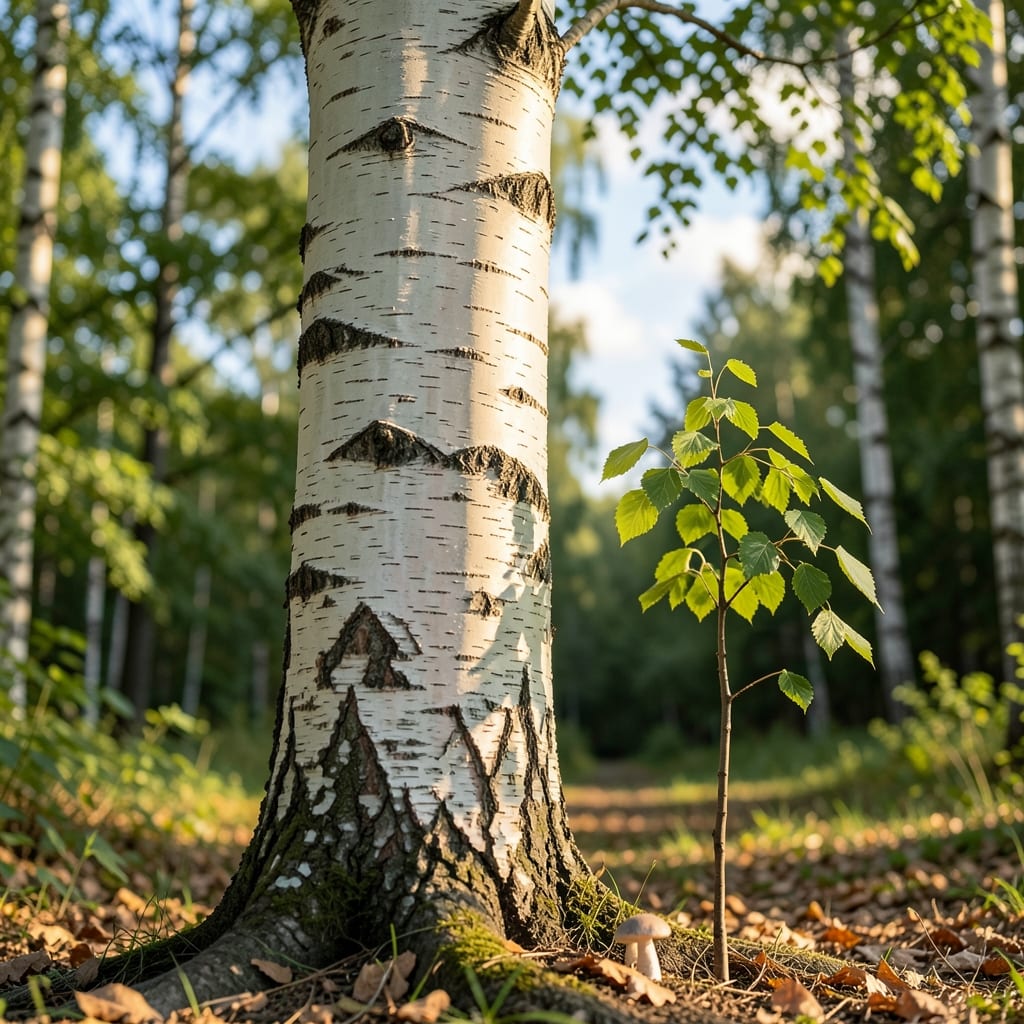
Ever wondered just how tall a birch tree 🌳 can grow before it touches the sky? The answer might surprise you—some varieties stretch over 70 feet, while others stay compact enough for small gardens. What you plant today could become a towering forest giant or a charming backyard feature, depending on the species and care you provide.
Birch trees are famous for their delicate bark and graceful branches, but their height potential varies wildly. Whether you're dreaming of a skyward champion or a manageable dwarf variety, understanding these differences is key. The right conditions—like well-draining soil and full sun—can push a birch tree toward its maximum height, while poor care might stunt its growth.
If you're planning to grow a birch tree, knowing its mature size helps you choose the perfect spot. Some species thrive in USDA Zone 6a, while others adapt to broader climates. We'll break down the growth stages, from a tiny seedling to a mature tree, so you can set realistic expectations and give your birch the best chance to reach its full potential.
Ready to learn which birch varieties will dominate your landscape—or stay humble in a corner? Let’s explore how sunlight, soil, and a little extra care can turn your birch tree into a backyard skyscraper or a cozy addition to your garden.

Birch tree height by species: from dwarf varieties to forest giants
Birch trees are nature’s vertical sculptures, and their mature heights vary dramatically depending on the species. Whether you’re dreaming of a towering paper birch or a compact dwarf variety, understanding these differences is key to planning your landscape. Some species stretch toward the sky like skyscrapers, while others remain humble shrubs—all with their own unique charm.
The paper birch (Betula papyrifera), for example, is the classic forest giant, often reaching heights of 50–70 feet in ideal conditions. Meanwhile, the yellow birch (Betula alleghaniensis) typically matures between 60–80 feet, though it grows more slowly. These towering trees can outshine even the tallest homes in your neighborhood!
🌳
If you’re working with limited space, dwarf birch varieties like ‘Fastigiata’ or ‘Pendula’ are excellent choices, topping out at just 15–25 feet. These smaller trees still offer the beauty of birch foliage without the space requirements of their taller cousins. For urban gardens, these varieties are often the best fit.
Climate plays a huge role in how tall your birch tree will grow. In cooler northern climates, paper birches can thrive and reach their maximum height, while in warmer southern regions, growth may be slower or more stunted. Elevation also matters—birches at higher altitudes often grow more slowly due to thinner air and shorter growing seasons.
Soil quality is another critical factor. Birches prefer well-draining, slightly acidic soil with plenty of organic matter. If your soil is heavy clay or waterlogged, growth can be stunted, and the tree may never reach its full potential. Amending the soil with compost or sand can make a world of difference for young saplings.
For those chasing the ultimate height, the yellow birch holds the record in some regions, with specimens exceeding 80 feet in ideal forest conditions. However, in a typical backyard, even the tallest birch species may max out at 60–70 feet due to space constraints and care differences.
🌿
One common misconception is that all birch trees grow equally tall. In reality, river birches are often shorter than paper birches but grow faster, making them a great choice for quicker shade solutions. Meanwhile, gray birches are naturally shorter and more adaptable to dry conditions, often found in rocky or poor-quality soils where other species struggle.
When planning your landscape, consider not just the mature height but also the canopy spread, which can be just as important. A tall birch with a wide spread may overwhelm a small garden, while a narrower variety like ‘Fastigiata’ offers height without excessive width. Always check the specific variety’s growth habits before planting.
Growth stages of a birch tree: how fast do they reach their skyward potential?
Birch trees don’t shoot up overnight—they follow a predictable growth pattern from tiny seedling to towering giant. Understanding these stages helps you set realistic expectations and provide the right care at each phase. In their first year, a birch sapling typically grows just 3–6 feet, looking more like a twig than a future skyscraper. But don’t underestimate their potential!
By year two, your birch tree will likely double its height, reaching 8–12 feet with proper care. This is when you’ll start seeing those iconic white or peeling bark patterns emerge, signaling healthy growth. The key during these early years is ensuring well-draining soil and consistent watering—both critical for root development that supports future height gains.
🌱
- 1 Year 1: 3–6 ft | Focus on root establishment in loose, fertile soil.
- 2 Year 2: 8–12 ft | Annual growth accelerates with proper sunlight exposure.
- 3 Year 3–5: 15–30 ft | Rapid vertical growth phase begins; prune to encourage height.
- 4 Year 10+: 30–70 ft | Mature height achieved; growth slows to 1–2 ft annually.
During years 3–5, birch trees enter their rapid growth phase, potentially adding 10–15 feet annually if conditions are ideal. This is when you’ll see dramatic height increases, especially in species like river birch, which can grow 2–3 feet per year. To maximize this growth spurt, ensure your tree gets full sun exposure (6+ hours daily) and avoid over-pruning the lower branches, which can limit upward momentum.
After about a decade, most birch trees transition to slower growth, adding just 1–2 feet per year as they reach maturity. This is when their true height potential becomes apparent—whether that’s a 70-foot paper birch or a 25-foot dwarf variety. At this stage, proper pruning techniques become crucial to maintain structural integrity and encourage healthy foliage production.
One common misconception is that birch trees grow at the same rate regardless of conditions. In reality, water stress or poor soil quality can stunt growth by up to 50%. For example, a river birch planted in heavy clay may only reach 30 feet instead of its potential 60 feet. Regular soil testing and amendments can make a dramatic difference in your tree’s height trajectory.
🌳 For those aiming for maximum height, focus on these three factors during the critical first five years: sunlight, water, and root space. A birch tree with ample room to spread its roots will dedicate more energy to vertical growth, potentially reaching its mature height 2–3 years earlier than one planted too closely to structures or other trees.