
Size
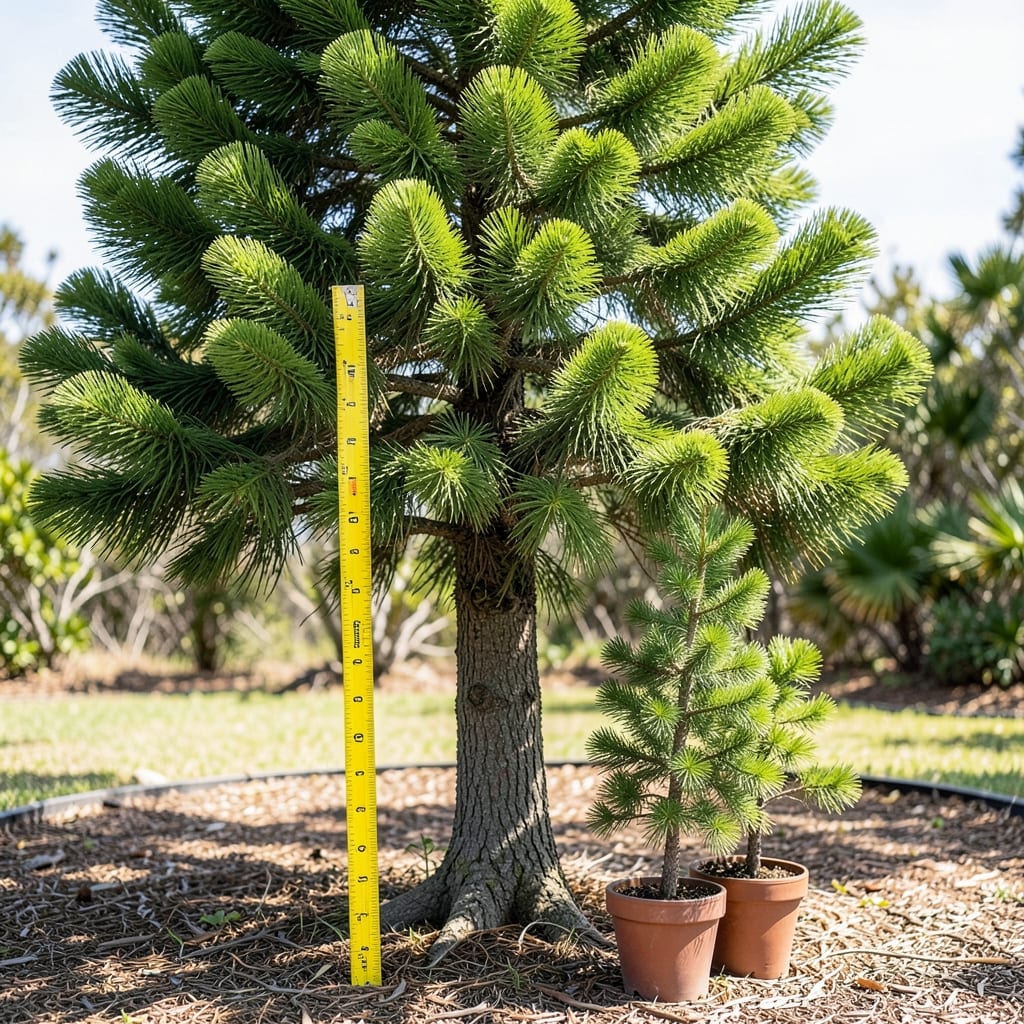
If you’ve ever wondered how tall a Christmas tree can grow, you’re not alone—but the reality might surprise you. Some varieties can reach up to 60 feet tall, turning your backyard into a winter wonderland of towering greenery. But before you start measuring your yard for a sky-high fir, there’s more to the story than just height.
The truth is, not all Christmas trees reach those jaw-dropping heights, and growing conditions play a huge role in their final size. Whether you’re eyeing a Douglas fir or a Fraser fir, understanding how sunlight, soil, and spacing affect growth is key. I’ll break down which species grow the tallest—and how to give them the best shot at reaching their full potential.
From the sky-high varieties that could dwarf your house to the practical tips for managing growth, this guide covers everything you need to know. Whether you’re a gardener with big dreams or just curious about these towering trees, you’ll find out exactly what it takes to grow a Christmas Tree that turns heads.
Ready to discover which trees hit the 60-foot mark and how to nurture them? Let’s dive into the secrets of growing a Christmas Tree that’s truly unforgettable.


Tallest Christmas tree species: heights that will blow you away
If you're imagining a Christmas tree that stretches higher than your two-story home, you're not alone! Some varieties can grow up to 60 feet tall, making them a stunning centerpiece for any landscape. But which species reach these sky-high heights? Let’s explore the tallest Christmas tree varieties and what it takes to grow them to their full potential.
The Douglas fir is one of the tallest Christmas tree species, often reaching 60-100 feet in ideal conditions. Known for its fragrant needles and strong branches, it’s a favorite for both ornamental and commercial use. Meanwhile, the Norway spruce can grow up to 50-75 feet tall, with a distinctive pyramidal shape that’s perfect for holiday displays.
For a slightly shorter but still impressive option, the Fraser fir typically grows between 30-50 feet tall. Its dense foliage and sweet scent make it a popular choice for holiday decorations. Each of these varieties has unique growing requirements that can influence their final height, so choosing the right species for your climate and space is crucial.
Here’s a quick comparison of the tallest Christmas tree species and their mature heights:
| Species | Mature Height | Growth Rate | Ideal Climate |
|---|---|---|---|
| Douglas Fir | 60-100 ft | Fast (2-3 ft/year) | Cool, moist climates (USDA Zones 5-7) |
| Norway Spruce | 50-75 ft | Moderate (1-2 ft/year) | Cold to temperate (USDA Zones 3-7) |
| Fraser Fir | 30-50 ft | Moderate (1-2 ft/year) | Mountainous regions (USDA Zones 6-7) |
| Blue Spruce | 40-60 ft | Slow (1 ft/year) | Dry, sunny climates (USDA Zones 2-7) |
The Douglas fir is the undisputed champion when it comes to height, often outgrowing other varieties by a significant margin. If you’re aiming for a tree that could reach the roof of your house, this is the species to choose. However, its rapid growth rate means you’ll need to plan for ample space and regular pruning to maintain its shape.
Climate plays a huge role in determining how tall a Christmas tree can grow. For example, the Fraser fir thrives in cooler, mountainous regions, where it can reach its full potential. In warmer climates, its growth may be stunted, resulting in a shorter, bushier tree. Always check the USDA hardiness zone for your area to ensure you’re planting the right species for optimal growth.
Another factor to consider is soil quality. Christmas trees prefer well-draining, slightly acidic soil with a pH between 4.5 and 6.0. Amending your soil with organic matter like compost or peat moss can help create the ideal growing conditions for these towering trees. Without the right soil, even the fastest-growing species may struggle to reach their full height potential.
Sunlight is another critical factor. Most Christmas tree varieties need full sun exposure, or at least 6 hours of direct sunlight per day, to grow to their maximum height. In shaded areas, growth will be slower, and the tree may become leggy or weak. If your yard is partially shaded, consider planting a semi-dwarf variety that can tolerate lower light conditions without sacrificing too much height.
For those who love the idea of a giant Christmas tree but lack the space, there are dwarf varieties that stay between 3 and 8 feet tall. While they won’t reach the heights of their standard counterparts, they’re perfect for smaller yards or container growing. Varieties like the Dwarf Alberta Spruce or Miniature Blue Spruce offer the same festive charm without the space requirements.
Whether you’re dreaming of a 60-foot giant or a compact dwarf variety, understanding the growth habits of these trees will help you choose the perfect species for your space. Next, we’ll dive into the pro tips for maximizing growth so you can nurture your tree into the towering masterpiece you’ve always wanted.
How to maximize Christmas tree growth: pro tips for sky-high results
If you’re aiming for a Christmas Tree that reaches the 60-foot mark, you’ll need more than just luck—it’s all about creating the perfect growing conditions. Start with well-draining, acidic soil (pH 4.5-5.5) because these trees thrive in environments that mimic their natural forest habitats. Amend your soil with pine bark fines or peat moss to replicate the acidic conditions they love.
Next, focus on sunlight exposure. Christmas Trees need 6+ hours of full sun daily to grow their best. Plant them in a location where they won’t be shaded by larger trees or buildings, especially in the late afternoon when sunlight is strongest. A south-facing spot is ideal for maximizing growth potential.
🌱
- 🌱 Soil Prep: Test soil pH and amend with acid-loving mix (peat moss or pine bark).
- ☀️ Sunlight: Ensure 6+ hours of direct sun daily, especially in growing season.
- 💧 Watering: Deep water 2-3x per week in summer; 1x per week in cooler months.
- ✂️ Pruning: Remove dead branches in early spring; avoid heavy pruning to maintain height.
- 🌿 Fertilizing: Use balanced 10-10-10 fertilizer in early spring and summer.
Watering is another critical factor. Young trees need deep, consistent moisture, especially during their first 2-3 years. Water deeply 2-3 times per week in summer and once per week in cooler months. Avoid shallow watering, which encourages weak root systems. Mulch around the base with pine needles or wood chips to retain moisture and regulate soil temperature.
Pruning plays a surprising role in height growth. While you might think trimming back branches will stunt growth, the opposite is true for Christmas Trees. Focus on removing dead or diseased branches in early spring to redirect energy to upward growth. Avoid heavy pruning, which can slow height development and reduce the tree’s natural majesty.
Finally, fertilize strategically. Apply a balanced 10-10-10 fertilizer in early spring and again in summer to provide essential nutrients without overstimulating foliage growth. Over-fertilizing can lead to excessive leafy growth at the expense of height. Always follow package instructions to avoid burning the roots.
With these techniques, you’ll give your Christmas Tree the best chance to reach its full mature height, whether that’s a 30-foot Douglas fir or a 60-foot Norway spruce. Patience and consistency are key—just like any great garden, the results are worth the effort! 🌳