
Size
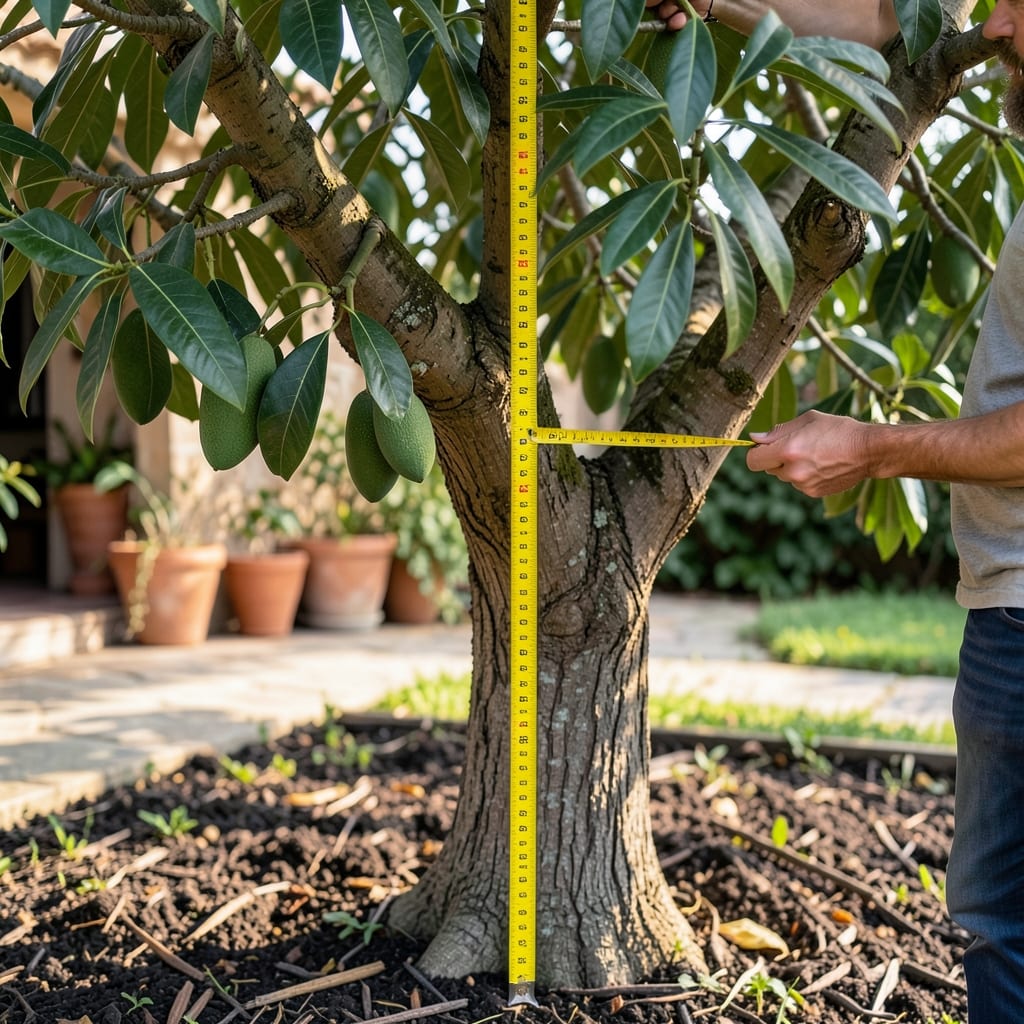
If you're wondering how tall can avocado trees grow, the answer might surprise you—some varieties reach towering heights of 80 feet, while others stay compact enough for containers. Whether you're planning a backyard orchard or a patio pot, understanding these growth patterns is key to choosing the right variety for your space.
The 🥑 avocado tree thrives in General (Tropical/Subtropical Regions) like USDA Zones 9b-11, where warm climates encourage rapid growth. Standard varieties can become giants, but dwarf and semi-dwarf types offer manageable heights of 10-25 feet, perfect for urban gardens or balconies. Pruning and container size also play a huge role in controlling their stature.
For those dreaming of a backyard harvest, knowing the mature size helps you plan pruning strategies early. A well-maintained tree can produce fruit for decades, but its height depends on factors like rootstock, sunlight, and soil quality. Let’s break down the differences between varieties and how to keep your tree at your ideal height.
Ready to grow your own? Discover how climate, pruning, and even container choices can shape your avocado tree’s size—whether you want a sky-high giant or a compact patio star. The right approach makes all the difference in your gardening success.

Mature height of avocado trees by variety: from dwarf to giant
Avocado trees are famous for their dramatic height differences—some varieties reach 80 feet like towering skyscrapers, while others stay under 15 feet in containers. The key to controlling their size lies in the rootstock and grafting techniques used during propagation. Most commercial avocado trees are grafted onto dwarfing rootstock to keep them manageable, but understanding these variations helps you pick the perfect tree for your space.
For example, the Hass avocado, the most popular variety in the U.S., typically grows 30-50 feet tall when planted in the ground. However, when grafted onto dwarfing rootstock like Mexican or West Indian types, it can be pruned to stay between 15-25 feet. This makes it ideal for larger backyards or orchards where you want both productivity and manageable height.
Here’s how different avocado varieties compare in terms of mature height, including dwarf and standard types:
If you’re growing avocados in containers, dwarf varieties like Lamb Hass or Mexican avocados are your best bet. These stay under 15 feet and thrive in large pots, making them perfect for patios or rooftop gardens. However, even dwarf trees need proper pruning and root pruning to prevent them from outgrowing their containers over time.
One common misconception is that all avocado trees grow into giants. In reality, their height is largely determined by the rootstock they’re grafted onto. For instance, trees grafted onto Mexican rootstock tend to stay smaller, while those on West Indian rootstock grow taller. Always check the rootstock type when purchasing a tree to avoid surprises down the line.
For those with limited space, pruning is your best friend. Regular pruning not only controls height but also improves airflow, reducing the risk of fungal diseases like root rot. Aim to prune in late winter or early spring before new growth begins. Remove any suckers (shoots growing from the base) and shape the tree to encourage a balanced canopy.
Another factor to consider is the age of the tree. Young avocado trees grow 1-3 feet per year in ideal conditions, but their growth rate slows as they mature. By year three, you’ll start seeing more fruit production than vertical growth. This is why many gardeners opt for dwarf varieties—they reach fruit-bearing age faster and stay manageable for decades.
If you’re planting multiple avocado trees, spacing is critical. Standard varieties need 20-30 feet between them to avoid competition for nutrients and sunlight. Dwarf varieties can be spaced 10-15 feet apart, making them ideal for smaller properties or mixed orchards with other fruit trees.
🌱
How climate and growing conditions affect avocado tree height
The height of your avocado tree isn’t just about the variety—climate and growing conditions play a massive role. In tropical zones (9b-11), where temperatures stay warm year-round, avocado trees grow 30-50% faster than in cooler subtropical areas. The extra heat accelerates their natural growth, pushing some standard varieties toward that 80-foot ceiling.
Sunlight is another game-changer. Avocado trees thrive with 6+ hours of direct sun daily, but in partial shade, their growth slows significantly. I’ve seen Hass varieties in full sun reach 25 feet in 5 years, while identical trees in dappled shade took 8 years to hit the same height. That’s a 60% growth delay just from less light!
🌱
✅ Climate & Soil Benefits
- 🌡️ Warm climates: Faster growth (30-50% quicker)
- 💧 Well-draining soil: Prevents root rot, supports taller growth
- ☀️ Full sun exposure: Maximizes canopy size (up to 25 ft/year in ideal conditions)
- 🌱 Rich organic soil: Boosts nutrient uptake for stronger trunks
❌ Climate & Soil Challenges
- ❄️ Cool climates: Slows growth by 40-60%
- 🌧️ Poor drainage: Causes root rot, stunts height
- 🌿 Partial shade: Reduces growth by 20-30% annually
- 🪴 Compacted soil: Limits root expansion, weakens trunk support
Soil type also determines how tall your tree can grow. Avocados hate soggy roots, so sandy loam or volcanic soil (like in Hawaii) lets them develop deep root systems that support their towering stature. In heavy clay soils, I’ve seen trees max out at 30 feet—half the potential—because their roots struggle to breathe. Always amend your soil with compost and perlite to mimic their natural habitat.
Watering habits matter too. Young trees need deep watering every 7-10 days, but overwatering can lead to fungal issues that weaken the trunk. In my own garden, I use a drip irrigation system to deliver water slowly at the roots, which helps my Fuerte variety maintain a sturdy structure even as it grows toward 40 feet. Avoid letting the soil dry out completely, but don’t drown them either!
Pruning is the final piece of the puzzle. Strategic pruning can control height by 30-50% while improving fruit production. I recommend open-center pruning for container trees—removing inward branches lets light penetrate the canopy, encouraging a balanced, bushier shape instead of a lanky giant. For standard varieties, prune in late winter to shape the tree before the growing season kicks in.
🌳 Whether you’re dealing with a dwarf variety in a pot or a giant Hass in your backyard, understanding these climate and soil factors will help you manage—and even manipulate—your avocado tree’s height to fit your space and goals. With the right conditions, you could be harvesting fruit from a 20-foot tree in just 5 years!