
Size
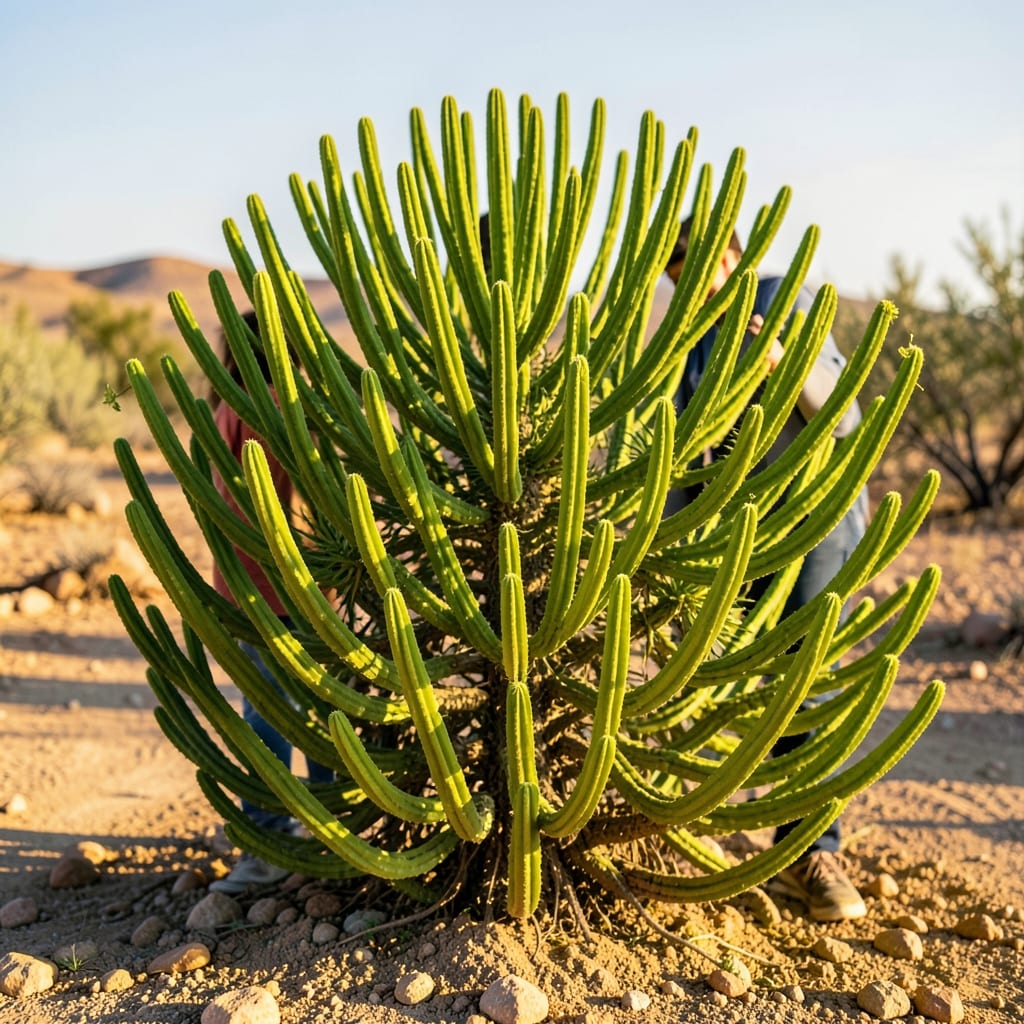
Wondering how tall do African Milk Trees grow? This striking 🌳 succulent can surprise you—some varieties stretch toward the ceiling, while others stay perfectly manageable on a shelf. Whether you're dreaming of a dramatic centerpiece or a compact desk companion, size matters more than you think.
The truth is, your African Milk Tree's height depends entirely on its environment. Left unrestrained in bright, sunny conditions, it can reach 10 to 20 feet tall—think towering indoor statement piece territory. But with the right pruning and pot size, you can easily keep it under 6 feet for a more controlled look.
What's even more interesting is how quickly these plants grow. In just a few years, you could see dramatic changes in height, especially if you're growing it outdoors in warmer climates. The key to managing its size lies in understanding its growth habits and making small adjustments to care routines.
Ready to learn the exact strategies for controlling your African Milk Tree's height? I'll walk you through everything from pruning techniques to ideal pot sizes—so you can grow exactly what fits your space and style.

African Milk tree height by variety: mature size expectations
The African Milk Tree (Euphorbia trigona) is famous for its dramatic growth potential, but not all varieties reach the same heights. Understanding these differences helps you choose the perfect plant for your space. The most common varieties include 'Triangularis' (the classic form), 'Truncata' (with broader stems), and 'Fireglow' (known for its striking red tips). Each can grow differently based on care and environment.
For 'Triangularis', the most popular variety, expect heights between 10 to 15 feet indoors with ideal conditions. In outdoor settings, especially in warm climates like USDA Zones 9-11, it can easily surpass 20 feet. Meanwhile, 'Truncata' tends to grow slightly broader but reaches similar heights—8 to 12 feet indoors—while 'Fireglow' stays more compact, typically 6 to 10 feet tall.
Your African Milk Tree’s height isn’t just about the variety—light exposure plays a massive role. Plants basking in 6+ hours of direct sunlight daily grow taller and faster, while those in lower light may max out at 4 to 6 feet. Even a south-facing window can make a difference in indoor growth rates.
Another critical factor is container size. Root-bound plants in small pots will focus energy on filling their space rather than shooting upward. A 12-inch pot might keep your tree under 5 feet, while a 24-inch container allows it to reach its full height potential. Always use pots with drainage holes to prevent root rot, which can stunt growth.
Pruning also influences height. If you pinch back the tips of new growth, your plant will branch out instead of stretching upward. This technique is perfect for keeping 'Fireglow' varieties under 6 feet. Conversely, leaving it unpruned encourages vertical growth, ideal for creating a dramatic focal point in larger spaces.
Here’s a quick reference for mature heights by variety and conditions:
One common misconception is that African Milk Trees grow slowly. In reality, they can add 1 to 2 feet per year under ideal conditions. If your plant seems stagnant, check for underwatering or insufficient light—both can halt growth. Conversely, overwatering causes root rot, which stunts height and can even kill the plant.
For those in cooler climates (Zones 6-8), growth slows significantly in winter. Your tree may only gain 6 inches during the colder months but bounce back in spring with proper care. In warmer zones, growth is nearly year-round, leading to faster height increases.
If you’re planning to grow an African Milk Tree outdoors, consider its mature size early. These plants can become too large for small gardens and may need relocation or pruning to manage their spread. Always stake young plants to support their vertical growth and prevent toppling in windy conditions.
Ready to shape your African Milk Tree’s growth? The next step is learning how to control its height—whether you want a bushy tabletop plant or a towering indoor tree. I’ll cover pruning techniques, pot sizes, and seasonal adjustments in the next section.
How to control African Milk tree growth for compact or tall forms
Managing your African Milk Tree’s height is all about strategic pruning and container choices. If you’re aiming for a compact, bushy plant, regular pruning is your best friend. Simply snip off the top 1-2 inches of new growth to encourage branching. Repeat this every 4-6 weeks during spring and summer, and you’ll see your tree fill out instead of stretching upward.
For a tall, dramatic specimen, avoid pruning entirely and provide plenty of space to grow. Use a large container (24+ inches) with well-draining soil, and place it in bright, indirect light. This setup mimics outdoor conditions, allowing your tree to reach its full 10-20 foot potential indoors.
🚨 WARNING: Pruning Mistakes Can Stunt Growth 🚨
- Cutting too low—this removes growth points and can kill branches.
- Pruning in winter—your tree is dormant; wait until spring.
- Using dull tools—tears instead of clean cuts invite disease.
Pro Tip: Always wear gloves when pruning—African Milk Tree sap is toxic and can irritate skin.
Pot size plays a huge role in height control. A smaller pot (12 inches or less) restricts root growth, forcing the plant to stay shorter. However, this means you’ll need to repot every 2-3 years to prevent root-binding. For faster growth, upgrade to a larger pot—just ensure it has drainage holes to avoid root rot.
Seasonal care also impacts height. During winter months, reduce watering and stop fertilizing entirely. Your tree’s growth will naturally slow, so avoid pruning unless you’re shaping it for spring. In contrast, spring and summer are prime times for growth—this is when you can prune aggressively to encourage bushiness or leave it alone for vertical growth.
Light exposure is another game-changer. Place your African Milk Tree near a south-facing window for maximum height, but if you want a shorter, stockier plant, move it to bright indirect light. Just remember: low light = slower growth, so if your tree seems stagnant, it might need more brightness.
For outdoor growers, staking young plants is essential to prevent toppling. Use bamboo stakes or trellises to support vertical growth, especially in windy areas. And if your tree outgrows its space, don’t hesitate to prune back old growth—it’ll regenerate quickly and stay healthier.