Trees
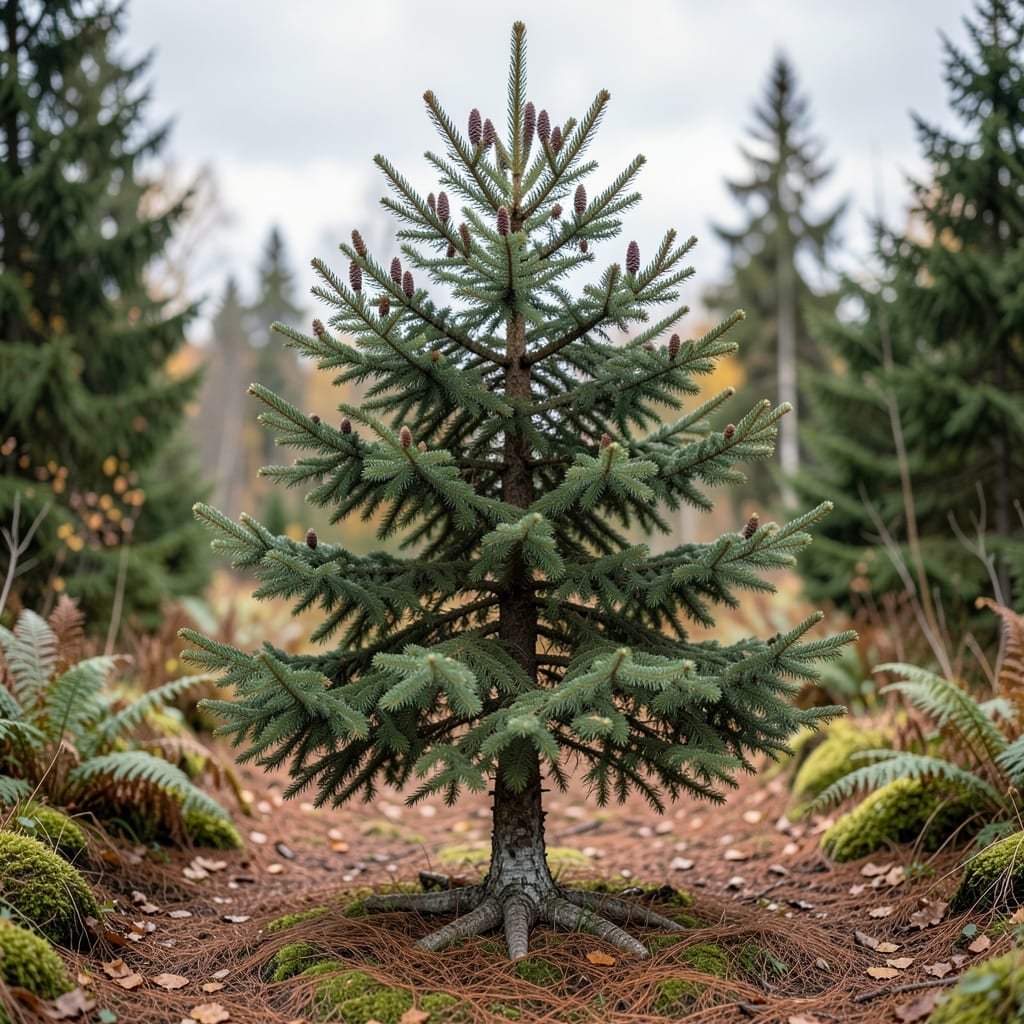
Wondering how tall do balsam fir trees grow before they tower over your backyard? These evergreen giants—often called the "queens of Christmas trees"—can reach 40 to 60 feet at maturity, but their growth depends on where you live and how you care for them.
If you're in USDA Zone 6a (like many northern gardeners), your balsam fir 🌲 will grow faster in cool climates, adding 1 to 2 feet per year in ideal conditions. That means a 10-year-old tree could already be 10 feet tall, while a 30-year-old might stretch toward the sky like a natural skyscraper.
But here’s the good news: you don’t have to let it grow unchecked. With smart pruning or container gardening, you can manage its height—though even a "small" balsam fir will still need space. Let’s break down how to plan for its growth so you can enjoy its beauty without the headaches.
Whether you’re dreaming of a holiday centerpiece or a year-round shade tree, understanding its growth habits is the first step. Ready to learn how to give your balsam fir the perfect home?

Balsam fir tree height by mature stage: regional growth charts
If you're considering adding a balsam fir to your landscape, understanding its mature height is critical. These evergreen trees typically reach 40–60 feet tall, but their growth varies significantly by USDA hardiness zone and local climate. In colder regions like Zones 3–6, they often exceed 50 feet, while milder zones (Zones 7–8) may see slightly shorter growth due to slower development.
For home gardeners, this means planning ahead—balsam firs aren’t ideal for small yards. Their spread (15–25 feet) also demands ample space. Let’s break down their height progression from sapling to maturity, so you can visualize their impact on your property.
🌲 Summary Table: Balsam Fir Growth by Stage
In USDA Zone 6a (like much of the Northeast), balsam firs often hit 50 feet by age 25, while in Zone 7b (southern Appalachians), they may max out at 45 feet. Coastal regions with mild winters can expect slightly slower growth due to reduced cold stress, which triggers dormancy.
For those in urban areas, consider spacing: A 40-foot balsam fir needs at least 20 feet of clearance from structures, power lines, and other trees. Always check local building codes before planting near homes or driveways.
If your yard is too small, don’t despair—container-growing is an option, though it limits height to 10–15 feet over 10 years. We’ll cover height control strategies in the next section, including pruning tips and dwarf alternatives.
Pro tip: Plant balsam firs in fall (September–October) to give roots time to establish before winter. This boosts early growth, helping them reach 10 feet in 5 years instead of 7.
🌿
Yearly growth rates: how fast does a balsam fir tree grow?
If you’re wondering how fast balsam fir trees grow, the answer depends on your climate and care routine. On average, these trees add 1 to 2 feet per year during their fastest growth phase (ages 5–20). In USDA Zone 6a, where winters are cold, they can grow 24 inches annually in ideal conditions, while milder zones may see 12 inches or less due to slower seasonal cycles.
For the first 3 years, growth is slow—just 1–2 feet total8–12 feet. This rapid phase continues until around age 20, after which growth slows to 6–12 inches per year as the tree matures.
🌱 Numbered Highlights: Balsam Fir Growth Speed by Age
- Year 1–3: 0.5–1 ft/year (root focus)
- Year 4–10: 12–24 in/year (fastest growth)
- Year 11–20: 12–18 in/year (peak height gain)
- Year 20+: 6–12 in/year (maturity slowdown)
Soil quality makes a huge difference. Acidic, well-draining soil (pH 4.5–5.5) fuels faster growth, while compacted or alkaline soil can stunt your tree by 30–50%. Amend with pine bark mulch or peat moss to mimic their natural forest habitat.
Sunlight also plays a role: Partial shade (40% sunlight) is ideal, but full sun can push growth by 10–20% annually. Just avoid harsh afternoon rays, which can scorch needles. In container gardens, growth slows to 6–12 inches per year due to root restrictions, but regular repotting can help maintain vigor.
Watering consistently in spring and summer (deep soaks every 7–10 days) keeps your balsam fir thriving. Drought stress can reduce height gains by up to 50% in extreme cases, so mulch heavily to retain moisture. Pruning in late winter removes dead branches and encourages denser growth without sacrificing height.
🪴