
How To
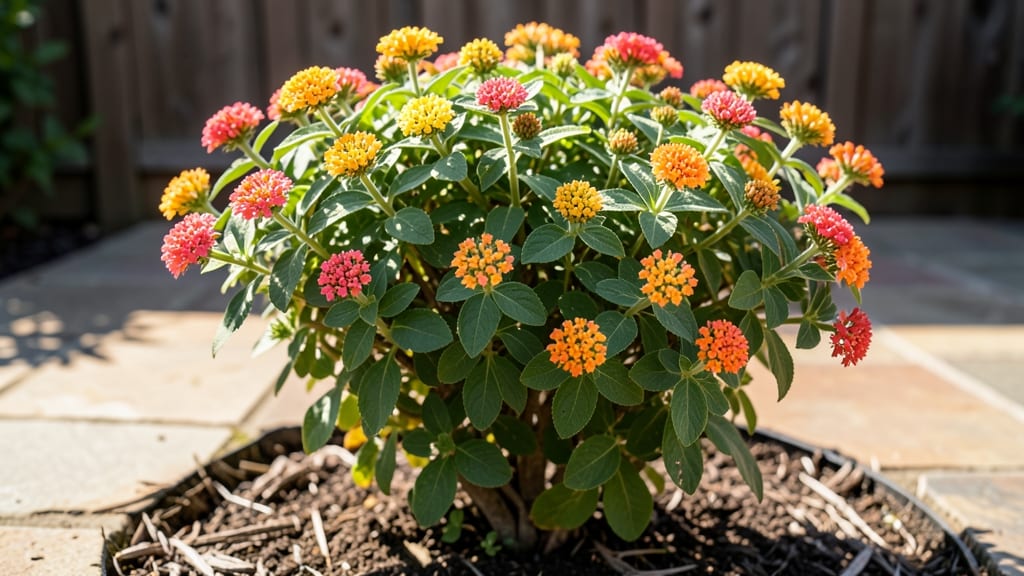
Wondering how tall do lantanas grow before planning your garden layout? These vibrant 🌸 shrubs can range from compact ground covers to towering plants, depending on the variety and care you provide.
Most lantanas typically reach heights between 1 and 5 feet, but some varieties can grow even taller with the right conditions. Whether you're working with a dwarf type like 'Lemon Swirl' or a sprawling 'Bandana Cherry,' understanding their growth habits helps you place them perfectly in your landscape.
Pruning plays a huge role in controlling lantana height—you can encourage bushier growth or keep them contained. The right techniques will also ensure your plants stay healthy and keep blooming throughout the growing season.
From sunny borders to containers, lantanas adapt well to different spaces. Let’s explore how to manage their height and create the perfect spot for these colorful shrubs in your garden.

Lantana height by variety: compact vs. towering shrubs compared
Lantanas are famous for their vibrant blooms and drought tolerance, but their height range can surprise even seasoned gardeners. Most varieties reach 3 to 5 feet at maturity, but some dwarf types stay under 2 feet, while sprawling varieties can stretch 6 feet or more.
The key to planning your garden layout? Knowing which type fits your space—and how to manage their growth.
For example, Lantana camara (the most common variety) typically grows 3 to 4 feet tall with a 3 to 5 feet spread, making it perfect for mixed borders or wildflower gardens.
But if you’re working with limited space, varieties like 'Lemon Swirl' or 'Bandana Lemon' max out at just 18 to 24 inches, ideal for container gardening or rock gardens.
Here’s how lantana varieties stack up in height—and which ones to pick for your garden design:
| Variety | Mature Height | Spread | Best For |
|---|---|---|---|
| Lantana camara (Standard) | 3–5 ft | 3–5 ft | Borders, hedges, pollinator gardens |
| 'Lemon Swirl' (Dwarf) | 1.5–2 ft | 2–3 ft | Containers, rock gardens, window boxes |
| 'Bandana Cherry' (Upright) | 4–5 ft | 3–4 ft | Back of borders, privacy screens |
| 'Miami Pink' (Trailing) | 2–3 ft | 4–6 ft | Hanging baskets, ground cover |
| Lantana montevidensis (Sprawling) | 1–2 ft | 5–7 ft | Wildflower meadows, slopes, erosion control |
If you’re growing lantanas in containers, expect them to stay 10–20% shorter than their ground-planted counterparts due to root restriction. For example, a 'Bandana Cherry' in a 15-gallon pot might only reach 3 feet tall instead of 5 feet.
Choose pots with drainage holes and well-draining soil to prevent root rot, which can stunt growth.
For tall varieties like 'Bandana Cherry', stake them early to support their upright stems and prevent flopping. Use bamboo stakes or cage supports and tie stems loosely with soft plant ties to avoid damaging the woody stems.
This is especially important in windy climates or when planting near high-traffic areas.
Pro tip: If you love the look of lantanas but need a lower profile, try shearing back new growth in late spring. This encourages bushier growth and can reduce height by up to 30% in some varieties.
Just avoid heavy pruning in fall or winter, as this can stress the plant and delay spring blooming.
In USDA zones 8–11, lantanas thrive year-round, but in cooler zones (like zone 7), they’re often grown as annuals or potted plants moved indoors in winter.
Even in warm climates, winter dieback can occur, so mulching around the base with 2–3 inches of organic mulch helps protect roots and supports healthier regrowth in spring.
One common mistake gardeners make is assuming all lantanas grow the same. 'Lantana montevidensis', for example, spreads aggressively but stays low, making it perfect for ground cover in xeric landscapes.
Meanwhile, 'New Gold' (a golden-yellow variety) grows 2–3 feet tall but has a compact habit, ideal for small gardens or urban planters.
To maximize your lantana’s potential, match the variety to your garden’s microclimate. For full sun spots, taller varieties like 'Bandana Cherry' will thrive and bloom prolifically.
In partial shade, dwarf varieties like 'Lemon Swirl' may grow slightly taller and leggier, so provide morning sun for best results.
How pruning affects lantana height: techniques to control growth
Pruning isn’t just about keeping lantanas tidy—it’s the secret weapon for controlling their height and shape. Whether you’re growing compact varieties like 'Lemon Swirl' or letting sprawling types like 'Bandana Cherry' reach their full potential, strategic pruning can make a 2-foot difference in mature height.
The key is timing and technique, which I’ll break down to help you shape your lantanas exactly how you want.
Most gardeners make one critical mistake: pruning at the wrong time. Winter pruning can shock your plant, while late-summer cuts may reduce next year’s blooms. Instead, focus on spring and early fall when lantanas are actively growing.
This approach encourages bushier growth and prevents leggy, overgrown stems that can make your plants look unkempt.
For height control, aim to prune back by one-third of the plant’s height in early spring. Use clean, sharp pruning shears to cut just above a leaf node or bud. This stimulates new growth from the base, creating a fuller, more compact shrub.
If you’re dealing with a sprawling variety that’s overtaking your garden, prune more aggressively in late spring to rein in its spread.
Step-by-Step Pruning Guide for Lantana Height Control
- Step 1: Choose the Right Time – Prune in early spring (after last frost) or early fall to avoid shocking the plant.
- Step 2: Gather Tools – Use sterilized pruning shears and gloves to protect against sap irritation.
- Step 3: Identify Growth Points – Look for leaf nodes or buds where new growth will emerge.
- Step 4: Make Clean Cuts – Cut at a 45-degree angle just above the growth point to encourage bushiness.
- Step 5: Shape as You Go – Remove dead or leggy stems first, then trim back by 1/3 of height for compact growth.
- Step 6: Clean Up – Remove all clippings and sterilize tools between cuts to prevent disease spread.
If you’re growing lantanas in containers, pruning becomes even more critical. Without regular maintenance, container-grown lantanas can become top-heavy and leggy, tipping over or growing too tall for their space. Pinch back the tips of new growth in early summer to encourage a bushier, more balanced shape.
This is especially useful for varieties like 'Miss Huff' that can reach 3–4 feet in pots.
One common misconception is that pruning reduces flowering. In reality, the opposite is true! Pruning lantanas promotes more blooms by encouraging new growth from the base. Just avoid heavy pruning in late summer, as this can delay next year’s flowers.
Instead, focus on light shaping cuts to maintain height while keeping the plant vibrant and full.
For aggressive height control, try the "hard prune" method in early spring. Cut back the entire plant to 6–12 inches tall, and you’ll see dramatic regrowth within weeks. This technique works best for overgrown or woody lantanas and can reset their height entirely.
Just be prepared for a temporary pause in flowering as the plant recovers—it’s a small trade-off for a completely revitalized shrub.