
How To
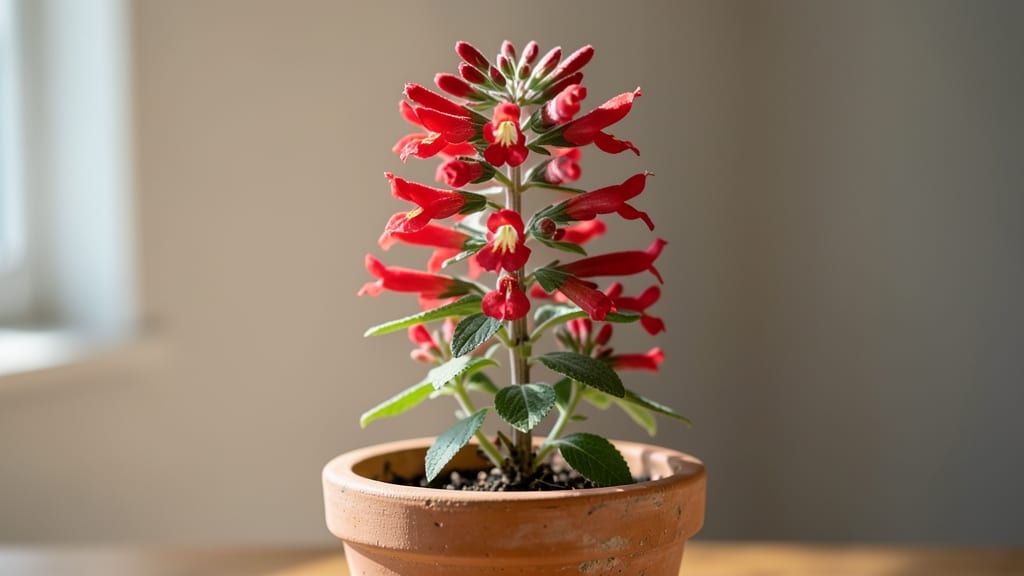
If you’re wondering how tall do red salvias grow, the answer might surprise you—these vibrant bloomers can range from compact 1-foot shrubs to towering 6-foot giants, depending on the variety.
Whether you’re planning a cozy container garden or a bold backyard border, knowing their mature height helps you place them perfectly without overcrowding.
Red salvias like Salvia coccinea and Salvia splendens are popular for their striking red flowers, but their growth habits vary. Some stay short and bushy, while others stretch tall and leggy if not pruned properly.
The key to keeping them at your desired height lies in understanding their natural growth patterns and giving them the right care.
In this guide, I’ll break down the height differences between common red salvia varieties and share pro tips to control their growth. From spacing recommendations to pruning techniques, you’ll learn how to keep your red salvias thriving—whether you want them as a low border or a dramatic backdrop.
Ready to transform your garden with these eye-catching plants? Let’s dive into the details so you can choose the perfect red salvia for your space and keep it looking its best all season long.

Red Salvia varieties and their mature heights compared
Red salvias are stunning additions to any garden, but their mature heights can vary dramatically depending on the variety. Understanding these differences helps you plan your garden layout and choose the perfect plants for your space.
Some varieties stay compact, making them ideal for containers or small borders, while others grow tall enough to serve as striking focal points.
For example, Salvia coccinea, also called blood sage, typically reaches 2 to 4 feet tall and spreads 1 to 2 feet wide. This variety is perfect for garden beds or mixed containers where you want a medium-height plant with vibrant blooms.
Meanwhile, Salvia splendens, commonly called scarlet sage, can grow up to 5 feet tall in ideal conditions, making it a standout in the back of borders or near fences.
| Variety | Mature Height | Spread | Best For |
|---|---|---|---|
| Salvia coccinea (Blood Sage) | 2–4 ft | 1–2 ft | Containers, borders, pollinator gardens |
| Salvia splendens (Scarlet Sage) | 3–5 ft | 1.5–2.5 ft | Back of borders, tall planters, focal points |
| Salvia leucantha 'Midnight' (Velvet Sage) | 4–6 ft | 2–3 ft | Dry gardens, perennial borders, large containers |
| Salvia microphylla (Autumn Sage) | 1–2 ft | 2–3 ft | Rock gardens, ground cover, small spaces |
| Salvia 'Hot Lips' (Hybrid) | 2–3 ft | 1.5–2 ft | Containers, mixed borders, pollinator-friendly gardens |
When planning your garden, consider not only the height but also the spread of each variety. For instance, Salvia leucantha 'Midnight', with its towering 4 to 6 feet stature, thrives in large garden beds or as a backdrop for shorter plants.
Its wide spread also makes it ideal for stabilizing slopes or creating privacy screens in drier climates.
If you’re working with containers, opt for dwarf varieties like Salvia microphylla, which stays under 2 feet tall but spreads wider. This makes it perfect for window boxes or small pots where vertical space is limited.
Just ensure your container has drainage holes to prevent root rot, especially during the hot summer months when salvias need consistent moisture.
For optimal growth, space your salvias according to their mature size. Tall varieties like Salvia splendens should be planted 18 to 24 inches apart to allow airflow and reduce disease risk. In contrast, bushier types like Salvia coccinea can be spaced 12 to 18 inches apart for a fuller look.
Proper spacing also ensures each plant gets enough sunlight, which is critical for vibrant blooms.
Another factor to consider is your climate zone. In hot, dry regions, taller salvias like Salvia leucantha thrive with minimal water once established. In humid climates, however, you might need to choose shorter varieties or provide afternoon shade to prevent fungal issues.
Always check the USDA hardiness zone for your specific variety to ensure it will survive winter in your area.
To encourage healthy growth and manage height, prune regularly after the first flush of blooms. This not only keeps your salvias from becoming leggy but also promotes bushier growth and more flowers. For tall varieties, consider staking or using cage supports to prevent flopping, especially in windy areas.
With the right variety and care, your red salvias will add a splash of color and life to your garden for years to come.
Whether you’re designing a pollinator-friendly garden or simply adding a pop of red to your landscape, choosing the right salvia height ensures your vision comes to life without overcrowding. Experiment with different varieties to find the perfect fit for your space!
Red Salvia varieties and their mature heights compared
Red salvias are a gardener’s dream with their fiery blooms, but their heights can vary wildly—some stay compact while others reach towering proportions. Understanding these differences helps you plan your garden layout with confidence.
Whether you’re designing a container garden or a border bed, knowing the mature size ensures your red salvias thrive without crowding neighbors.
Not all red salvias are created equal. Salvia coccinea, for example, typically stays between 1 to 3 feet tall, making it perfect for front-of-border plantings or window boxes.
Meanwhile, Salvia splendens can soar up to 4 feet or more, ideal for back-of-bed placements or standalone focal points. Let’s break down the most popular varieties and their growth habits.
| Variety | Mature Height | Spacing Needs | Best For |
|---|---|---|---|
| Salvia coccinea | 1–3 ft | 12–18 in apart | Containers, borders |
| Salvia splendens | 2–4 ft | 18–24 in apart | Back of beds, focal points |
| Salvia leucantha ‘Midnight’ | 3–5 ft | 24–36 in apart | Tall borders, mixed gardens |
| Salvia ‘Scarlet Pimpernel’ | 1–2 ft | 12 in apart | Window boxes, hanging baskets |
Note: Heights can vary based on pruning, soil quality, and sunlight exposure.
Proper spacing is just as critical as choosing the right variety. Tall salvias like Salvia leucantha ‘Midnight’ need room to avoid overcrowding, which can lead to pests or disease. Always plant them 18–36 inches apart depending on the variety, ensuring good air circulation and sunlight penetration.
If you’re growing red salvias in containers, opt for dwarf varieties like Salvia ‘Scarlet Pimpernel’, which thrive in 5–7 gallon pots. These compact plants add vibrant color to patios or balconies without taking up garden space. Just ensure your container has drainage holes to prevent root rot.
For full sun exposure, red salvias reward you with prolonged blooming from spring to fall. However, if your garden receives partial shade, expect slightly shorter growth and fewer flowers. Always plant in well-draining soil mixed with compost to encourage healthy root development.
Remember, pruning plays a huge role in controlling height. Regularly trimming back leggy stems promotes bushier growth and keeps your salvias within your desired size. Aim to prune in early spring and again after the first flush of blooms for the best results.