
Trees
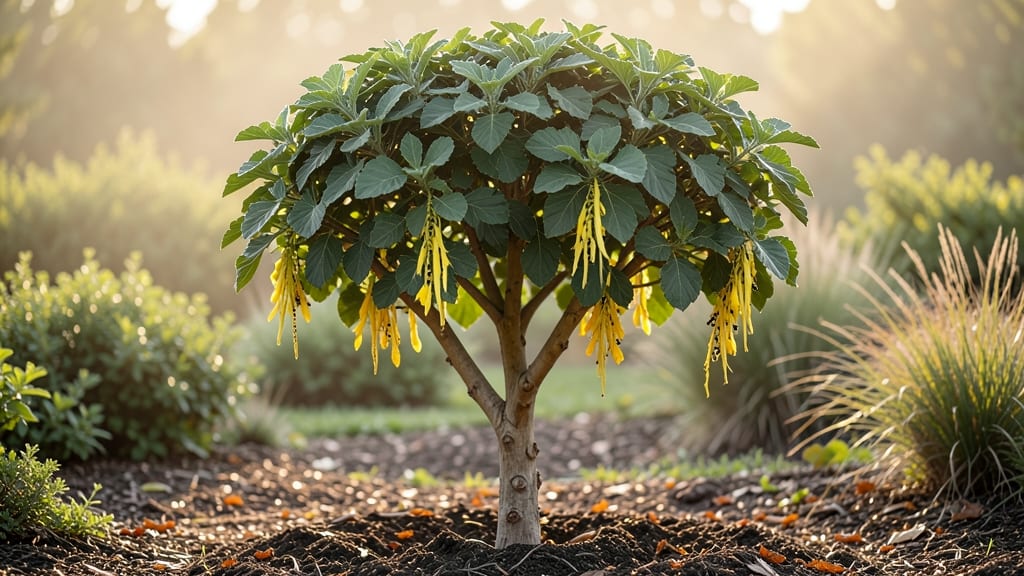
Wondering how tall does a mustard tree grow before it becomes a backyard giant? The answer might just change how you plan your garden—especially if space is limited.
This fast-growing tree (🌳) can reach between 15 to 25 feet at maturity, making it a bold statement piece for larger yards or even a manageable feature in suburban landscapes.
What’s surprising is how quickly it grows—expect 3 to 5 feet in its first year alone. But here’s the game-changer: with the right pruning and care, you can keep it smaller without sacrificing its beauty or benefits.
Whether you’re growing it for ornamental appeal, shade, or even its edible leaves (yes, it’s a powerhouse plant!), understanding its growth habits is key.
If you’re in USDA Zone 6a or warmer, planting in spring gives you the best shot at controlling its height naturally. We’ll show you simple, space-saving tips to keep it at your ideal size—whether that’s a towering centerpiece or a compact container tree. Ready to learn how?
The best part? This tree thrives in full sun and adapts to various soil types, making it a low-maintenance superstar. Let’s break down exactly what to expect—and how to shape it to fit your garden perfectly.

Mustard tree height guide: average growth and varietal differences
When planning your garden, knowing the mature height of a mustard tree (Moringa oleifera) is key to creating space for its full potential.
On average, these trees reach 15 to 25 feet tall in ideal conditions, but their growth rate and final size can vary based on variety, climate, and care.
If you're working with limited space, this information will help you decide whether to plant one in your backyard or opt for a container-grown version.
Mustard trees are known for their rapid growth, often adding 3 to 5 feet per year in their early years. By year one, you can expect a sapling to reach 3 to 5 feet, while year two will see it shoot up to 8 to 12 feet.
By year three, most trees will hit 12 to 18 feet, setting the stage for their mature height. This fast growth makes them a favorite for gardeners eager to see quick results.
The final height of a mustard tree depends heavily on its variety. While the most common types like Moringa oleifera can tower over 20 feet, some dwarf or hybrid varieties may stay under 10 feet.
If you're in a small garden or urban setting, selecting a dwarf variety or practicing pruning can keep your tree at a manageable height without sacrificing yield or beauty.
Climate plays a huge role in how tall your mustard tree will grow. In tropical or subtropical climates, where these trees thrive, they can reach their maximum height of 25 feet or more.
However, in cooler regions like USDA Zone 6a, growth may slow, and the tree might max out at 15 feet. If you're in a cooler zone, providing extra warmth, like planting near a south-facing wall, can encourage taller growth.
For a visual comparison, think of a mature mustard tree as roughly the height of a two-story building (about 20 feet) or slightly taller than a basketball hoop (which is typically 10 feet).
This makes them a striking focal point in larger gardens or even as a shade tree in rural settings. If you're unsure about fitting one into your space, consider planting it near a fence or property line to maximize vertical growth without crowding your living area.
| Variety | Mature Height | Growth Rate | Best For |
|---|---|---|---|
| Moringa oleifera (Standard) | 15-25 ft | 3-5 ft/year (early years) | Large gardens, rural shade |
| Dwarf Hybrids | 8-12 ft | 2-3 ft/year | Urban gardens, containers |
| Brassica juncea (Leafy Mustard) | 6-10 ft | 2-4 ft/year | Small gardens, culinary use |
| Brassica carinata (Ethiopian Mustard) | 10-15 ft | 3 ft/year | Mediterranean climates |
If you're growing a mustard tree for its leaves, pods, or seeds, you’ll want to balance height with harvestable yield. Trees that grow too tall may produce fewer accessible branches, making it harder to reach the nutrient-rich leaves or flavorful pods.
For this reason, many gardeners opt for regular pruning to encourage bushier growth and easier harvesting. Even if you're not pruning for size control, keeping the tree at a manageable height ensures you can enjoy its benefits without straining your back!
One of the most exciting aspects of growing a mustard tree is its versatility. Whether you're using it for culinary purposes (like in salads or stir-fries), medicinal benefits (rich in vitamins and antioxidants), or simply as an ornamental tree, understanding its growth habits will help you plan accordingly.
For example, if you're growing it in a container, you’ll need to prune aggressively to keep it under 6 feet, while an in-ground tree can stretch toward the sky.
Before planting, take a moment to assess your garden layout and the mature size of nearby plants. Mustard trees have spreading canopies, so they’ll need ample space—not just vertically but horizontally. If you're planting near other trees or structures, leave at least 10 feet of clearance to avoid overcrowding.
This will give your mustard tree room to thrive without competing for sunlight or nutrients.
For those in smaller spaces, don’t let the potential height deter you. With the right pruning techniques and container choices, you can still enjoy a mustard tree on a balcony or patio.
Just remember: the more you prune, the more energy the tree will redirect to leaf and pod production, making it a
Mustard tree height guide: average growth and varietal differences
When planning your garden layout, knowing the mature height of a mustard tree (Moringa oleifera) is essential. These trees are known for their rapid growth, often reaching 15-25 feet tall under ideal conditions.
In their first year, expect a 3-5 foot jump, with each subsequent year adding another 3-5 feet until they reach maturity.
However, height isn't the only factor—varieties and growing conditions play a huge role. For example, tropical climates with warm temperatures and abundant sunlight encourage faster vertical growth, while cooler regions may see slightly shorter trees.
Even within the same climate, soil quality and water availability can influence how tall your mustard tree becomes.
🌱
| Variety | Mature Height | Growth Rate | Climate Suitability |
|---|---|---|---|
| Moringa oleifera | 15-25 ft | 3-5 ft/year | Tropical/Subtropical |
| Dwarf Varieties (rare) | 6-10 ft | 2-3 ft/year | Container/Urban |
| Standard Varieties | 15-25 ft | 3-5 ft/year | Warm Climates |
If you're comparing mustard trees to other garden trees, think of them as medium-sized giants. A mature mustard tree stands taller than a basketball hoop (10 ft) but shorter than a telephone pole (25 ft).
In a backyard setting, they’ll easily outgrow most fruit trees like apple or peach trees, which typically max out at 12-15 feet.
For those with limited space, don’t worry—container growing is possible, though it may cap height at 6-10 feet. The key is choosing the right variety and providing consistent care.
With proper pruning and training, you can even shape your mustard tree into a smaller, bushier form while still enjoying its benefits.
🌿
Remember, the first few years are critical for establishing root depth and structural strength. If you’re planting in a small garden or urban plot, consider spacing multiple trees 10-15 feet apart to allow airflow and prevent overcrowding.
This also makes harvesting leaves (if you're growing for culinary or medicinal use) much easier!