
How To
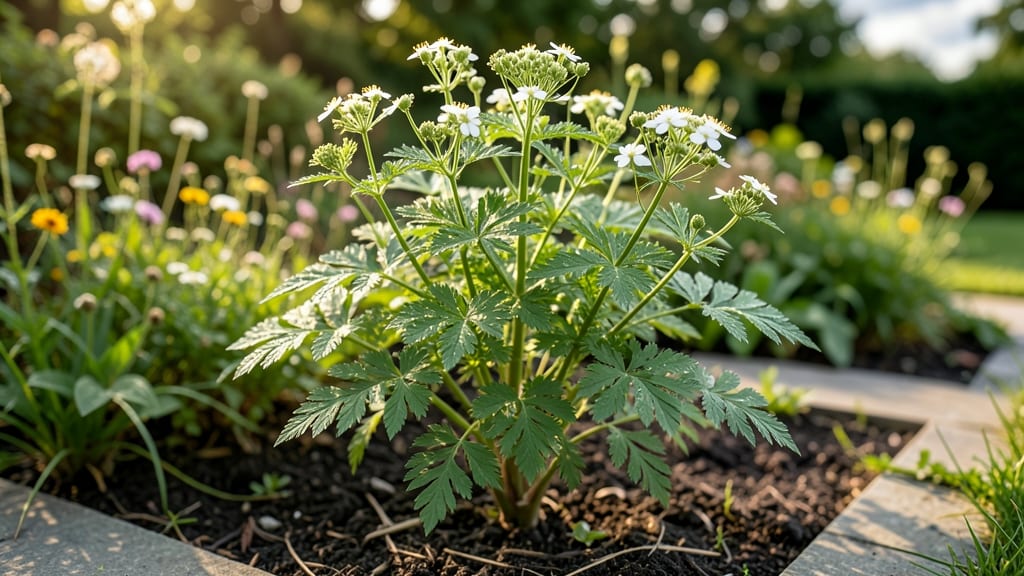
If you’re wondering how tall does anise grow, the answer might surprise you—this fragrant herb can range from a compact 12 inches to a towering 48 inches, depending on how you nurture it.
Whether you're planning a kitchen garden or a small urban plot, understanding its growth habits is key to maximizing space and flavor.
The 🌿 anise plant thrives in USDA Zone 6a and beyond, especially when planted in spring, but its height depends on sunlight, soil, and pruning.
Left unchecked, it can reach nearly 4 feet, but with strategic trimming, you can keep it at a manageable 1-2 feet—perfect for containers or borders. The secret? Regular pinching and proper spacing.
As an annual, anise grows quickly from April to September, making it a great choice for gardeners who want fast results. Its culinary uses—from teas to baking—mean every inch of growth matters.
Whether you're growing it for leaves, seeds, or both, knowing how to control its height ensures you get the most out of your garden without sacrificing space.
Ready to grow your own? I’ll walk you through the best techniques to shape your anise plants, whether you want them tall and dramatic or neatly contained. Let’s get started!

Anise plant height guide: from dwarf varieties to towering stems
Anise (Pimpinella anisum) is a delicate yet hardy annual herb that typically reaches 12 to 48 inches in height, depending on growing conditions. Under ideal circumstances—like full sun exposure and well-draining soil—it can grow taller, while cooler climates or container gardening often keep it shorter.
This medium-sized herb thrives in USDA Zones 6-10, making it adaptable for many gardeners.
If you’re planning your garden layout, remember that anise grows vertically with slender, feathery stems. Without pruning, it can reach nearly 4 feet tall, but most gardeners prefer to keep it between 18 and 36 inches for easier harvesting and space efficiency.
Its height makes it a great border plant or container herb for patios.
Now, let’s break down the key factors that influence anise height—so you can tailor your growing approach to your space and goals.
One common misconception is that anise will always grow tall and unruly. In reality, with the right pruning techniques and container choices, you can easily keep it under 2 feet tall—perfect for small gardens or even windowsill growing.
For example, if you’re growing anise in a 12-inch pot, expect it to stay around 18 inches tall at most.
Anise is also an annual plant, meaning it completes its life cycle in one growing season. This gives you the flexibility to replant each year, adjusting height as needed.
In year one, expect plants to reach 12-24 inches, while mature plants in ideal conditions can stretch to 3-4 feet.
For gardeners in urban settings, anise is a fantastic choice because it adapts well to container gardening. A 5-gallon pot can comfortably hold a single plant, keeping its height manageable while still producing abundant aromatic leaves.
Just ensure the pot has drainage holes to prevent root rot, which can stunt growth.
If you’re growing anise for its seeds (used in baking and teas), allow the plants to grow taller—up to 4 feetleaves and stems for culinary use, regular pruning will keep the plant shorter and more productive.
Another tip: Anise grows best in loose, well-draining soil with a pH between 6.0 and 7.0. Heavy or compacted soil can restrict root growth, leading to shorter, weaker plants. Amend your soil with compost or sand if needed to improve drainage and encourage healthier, taller growth.
Finally, don’t forget that anise is a self-seeding annual. If you let it go to seed, it may resprout the following year, potentially creating a small patch of volunteers. While this isn’t a height concern, it’s worth noting if you’re trying to control your garden’s layout.
With these insights, you can now confidently plan where to plant anise—whether it’s along a garden border, in a container on your patio, or even as a windowsill herb. The key is balancing its natural growth habits with your space and harvesting goals.
Anise plant height guide: from dwarf varieties to towering stems
Anise (Pimpinella anisum) is a delicate annual herb that typically reaches 12 to 48 inches tall under ideal conditions, making it a versatile choice for gardens of all sizes.
Whether you're growing it for its fragrant leaves or culinary seeds, understanding its growth habits helps you plan spacing and support structures effectively.
The mature height of anise depends on several factors, including sunlight exposure, soil quality, and pruning practices. In full sun, anise can grow taller and bushier, while partial shade may result in shorter, more compact plants.
For small gardens or containers, you can easily control its height with simple training techniques.
Anise's height range:
- Dwarf varieties: 12–24 inches (ideal for containers)
- Standard varieties: 24–48 inches (common in garden beds)
- Wild or neglected plants: Up to 60 inches (if left unpruned)
For a visual reference, here’s how anise compares to common garden elements:
| Growth Stage | Height Range | Ideal Conditions |
|---|---|---|
| Seedling | 2–6 inches | Well-drained soil, consistent moisture |
| Vegetative | 12–24 inches | Full sun, regular pruning |
| Mature (Flowering) | 24–48 inches | Rich soil, 6+ hours of sun |
| Neglected | Up to 60 inches | Poor pruning, overcrowding |
To maximize flavor and control height, I recommend pinching back the tips of young plants when they reach 6–12 inches. This encourages bushier growth and prevents the plant from becoming top-heavy or leggy.
For container gardening, choose dwarf varieties or use small pots (8–12 inches wide) to naturally limit height.
Anise thrives in USDA zones 3–10, but its height can vary based on climate. In cooler regions, plants may grow shorter and stockier, while warmer climates often produce taller, more elongated stems. Always mulch around the base to retain moisture and support sturdy growth.
If you’re growing anise for seeds, allow the plant to reach its full height (24–48 inches) to ensure proper seed development. However, for leaf harvests, regular pruning and pinching will keep the plant compact and productive throughout the season.
For urban gardeners, anise is a fantastic choice—its moderate height makes it perfect for window boxes, raised beds, or small patio containers. Just ensure it gets at least 4–6 hours of sunlight daily to prevent stunted growth or weak stems.