
How To
Magnolia tree height guide: 10 popular varieties & their mature sizes
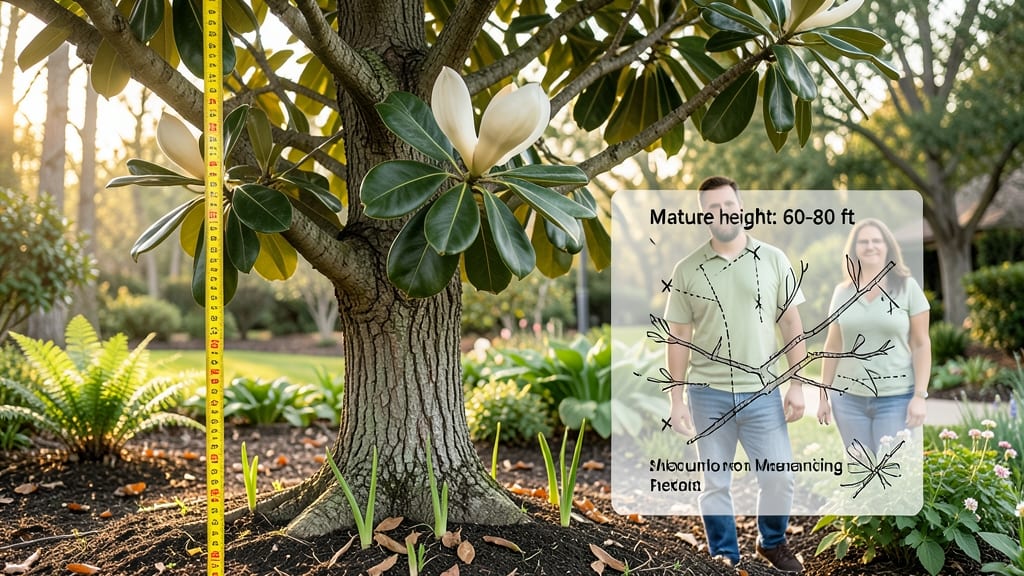
Choosing a magnolia tree for your yard starts with understanding their mature heights. Some varieties reach towering heights of 80+ feet, while others stay compact at just 10 feet.
The right choice depends on your space, sunlight, and climate. I’ll break down 10 common magnolias, their heights, and ideal growing conditions to help you pick the perfect fit.
Magnolias are prized for their fragrant blooms and glossy leaves, but their size varies dramatically. For example, the Southern Magnolia can dwarf a two-story house, while the Little Gem stays small enough for urban patios.
Below, I’ve organized these varieties by height categories—dwarf, semi-dwarf, and standard—so you can visualize their scale before planting.
🌱 Pro Tip: Always check your magnolia’s USDA hardiness zone (most thrive in zones 5-9) and spread width—some varieties grow wider than they do tall! For instance, the Saucer Magnolia spreads 25-35 feet at maturity, even if it only reaches 20-30 feet in height.
🌳 Magnolia Height Summary Table
| Variety | Mature Height (ft) | Spread (ft) | Growth Rate | Best For |
|---|---|---|---|---|
| Southern Magnolia (Magnolia grandiflora) | 60-80 | 30-40 | Slow | Large yards, privacy screens |
| Star Magnolia (Magnolia stellata) | 10-15 | 10-15 | Moderate | Small gardens, containers |
| Saucer Magnolia (Magnolia × soulangeana) | 20-30 | 25-35 | Moderate | Medium yards, focal points |
| Little Gem (Magnolia grandiflora 'Little Gem') | 15-20 | 10-15 | Slow | Urban landscapes, small spaces |
| Jane (Magnolia grandiflora 'Jane') | 12-15 | 8-12 | Slow | Patios, containers, small yards |
| Yellow Magnolia (Magnolia virginiana) | 10-20 | 10-15 | Slow | Wet soils, naturalized areas |
| Sweetbay Magnolia (Magnolia virginiana) | 20-30 | 15-25 | Moderate | Swamps, coastal gardens |
| Loebner Magnolia (Magnolia × loebneri) | 15-25 | 10-15 | Moderate | Small to medium yards |
| Bigleaf Magnolia (Magnolia macrophylla) | 40-60 | 30-40 | Slow | Large landscapes, specimen planting |
| Cucumbertree Magnolia (Magnolia acuminata) | 50-
How fast do magnolia trees grow? Growth rates by speciesMagnolia trees are known for their stunning blooms, but their growth speed varies dramatically by variety. Some varieties grow just 6 inches per year, while others can shoot up 2 feet annually under ideal conditions. Understanding these rates helps you plan for their mature size and manage expectations during your garden's development. Factors like soil quality, sunlight exposure, and pruning habits play huge roles in how quickly your magnolia reaches its full height. For example, a Southern Magnolia in rich, moist soil with full sun may grow twice as fast as one planted in dry, rocky soil. Let’s explore how different species grow over time.
Growth Rate Comparison
Annual Growth Rate
Southern Magnolia
Star Magnolia
Saucer Magnolia
Little Gem
Jane
For instance, the Little Gem magnolia is one of the fastest-growing varieties, often reaching 20 feet in just 10 years. This makes it ideal for gardeners who want quick results without sacrificing height. On the other hand, the Jane magnolia grows at a glacial pace, perfect for those who prefer a slow, steady addition to their landscape. To maximize growth, focus on providing well-draining soil and consistent moisture during the first few years. Mulching around the base helps retain moisture and regulates soil temperature, which encourages faster growth. Avoid over-pruning young trees, as this can stunt their development. If you're planting a magnolia in a smaller space, consider varieties like Ann Magnolia or Black Tulip Magnolia, which grow at a moderate pace but stay under 20 feet tall. These are great choices for urban gardens or yards with limited room. Remember, magnolias are slow to mature compared to many other trees, but their stunning blooms and glossy foliage make the wait worthwhile. With the right care, you’ll see steady progress year after year. |