
How To
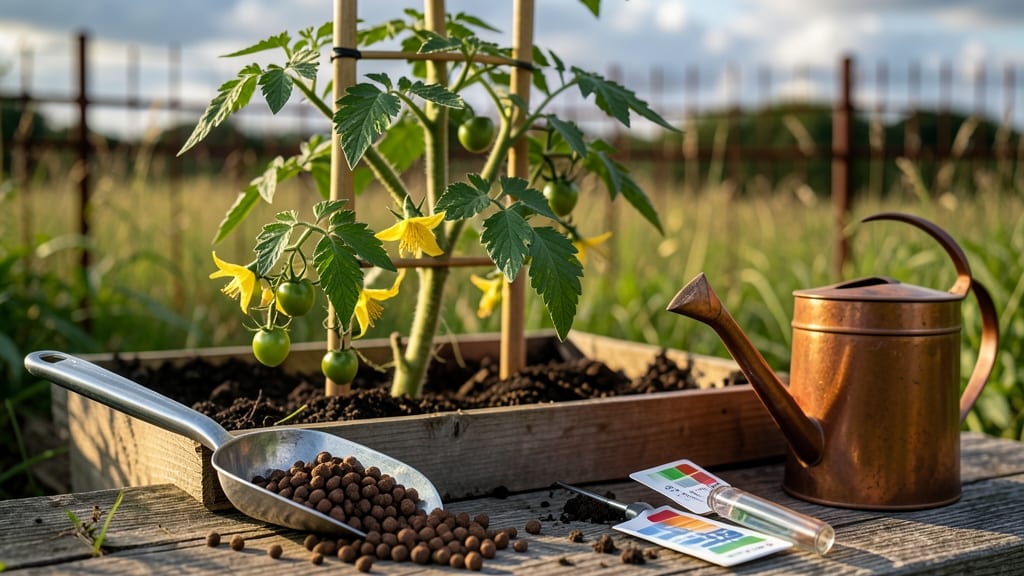
If you’ve ever stared at your 🍅 tomato plants wondering when do you fertilize tomatoes for the juiciest, plumpest fruits, the answer might be simpler than you think: timing your fertilizer applications is everything.
Too early, and you’ll waste nutrients; too late, and your harvest suffers. The key lies in feeding your tomatoes at the right moments—when they’re hungry for growth, flowering, and fruiting.
Most gardeners make the mistake of fertilizing once and calling it a day, but tomatoes need consistent nourishment throughout their lifecycle.
I’ve grown hundreds of tomato plants, and the difference between a mediocre harvest and a bountiful one often comes down to these three critical windows: transplanting, flowering, and fruiting. Miss them, and you’ll end up with weak vines or bland, undersized tomatoes.
What if I told you that fertilizing at the wrong time could actually hurt your plants? Overfeeding early can lead to lush foliage but few fruits, while skipping the mid-season boost might leave your tomatoes lacking in sweetness.
In this guide, I’ll walk you through the exact moments to feed your tomatoes—whether you’re growing them in the ground or in containers—so you can enjoy a garden bursting with flavor.
Ready to turn your tomato dreams into reality? Let’s dive into the simple, science-backed schedule that’ll have your plants thriving from April all the way through October. Your future self (and your taste buds) will thank you.

3 Critical times to fertilize tomatoes for optimal growth and fruit
Fertilizing tomatoes at the right times ensures your plants grow strong, produce abundant fruit, and resist common issues like blossom-end rot or stunted growth. Unlike many vegetables, tomatoes thrive when fed strategically—not just once or twice, but at three key stages that align with their growth cycle.
Skipping any of these windows can leave your plants hungry when they need nutrients most.
I’ve learned the hard way that over-fertilizing early leads to lush foliage but few tomatoes, while under-fertilizing during fruiting results in small, bland fruits. The solution?
A balanced approach that matches your plant’s needs at each phase. Let’s break down the three critical fertilization times and what your tomatoes need to succeed.
🌱 Visual Guide: 3 Key Fertilization Times
Add compost or balanced fertilizer 1-2 weeks before transplanting.
Switch to a low-nitrogen, high-phosphorus fertilizer to boost blooms.
Use a balanced fertilizer every 2-3 weeks to sustain fruit production.
The first critical time is before planting. Even if you’re using nutrient-rich soil, tomatoes benefit from a pre-planting boost. Work in 2-3 inches of compost or a balanced organic fertilizer (like 5-5-5) into the top 6-8 inches of soil.
This ensures your seedlings have access to nutrients from day one, especially if your soil is sandy or poor. I always test my soil first—pH between 6.0 and 6.8 is ideal for tomatoes.
Once your seedlings are 6-8 inches tall and you’ve transplanted them into the garden, it’s time for the second fertilization window: early flowering. This is when your plants shift from leafy growth to producing blossoms.
Here, you’ll want to reduce nitrogen (the first number in NPK) and increase phosphorus (the second number). A 10-20-10 fertilizer or a fish emulsion works wonders. Phosphorus encourages root development and flower formation, which is exactly what your tomatoes need to set fruit.
Many gardeners make the mistake of continuing high-nitrogen feeds during this stage, which results in leafy monsters with little to no fruit. I’ve seen this happen in my own garden—last year, my Sungold cherry tomatoes grew beautiful vines but barely any fruit because I didn’t adjust my fertilizer.
The lesson? Switch to a phosphorus-rich feed as soon as you see the first flowers appear.
The third and final critical time is during the fruiting stage, which lasts from when the first tomatoes appear until harvest. This is when your plants need a steady supply of nutrients to support ongoing fruit production. Here, a balanced fertilizer like 10-10-10 or 5-10-10 is perfect.
Apply it every 2-3 weeks, but reduce the amount by half compared to early growth stages. Too much nitrogen now can lead to excessive leaf growth at the expense of fruit, while too little can cause fruits to be small or bland.
Pro tip: Side-dressing is my go-to method for feeding tomatoes during fruiting. Simply sprinkle a slow-release fertilizer like cottonseed meal or granular tomato food around the base of the plant, then water it in.
This avoids the risk of burning roots and ensures nutrients are available exactly when your plants need them. I also like to use liquid fertilizers like seaweed extract or compost tea for a quick nutrient boost, especially during hot, dry spells.
For container-grown tomatoes, timing is even more critical because nutrients leach out faster in pots. I fertilize my potted cherry tomatoes every 1-2 weeks during the growing season, using a water-soluble fertilizer diluted to half-strength.
Containers also dry out quicker, so I always water thoroughly after fertilizing to prevent salt buildup in the soil. If you’re growing in containers, choose a high-quality potting mix with added compost and consider using time-release fertilizer pellets for convenience.
Finally, remember that seasonal adjustments are key. In hot climates, tomatoes grow faster and may need more frequent feeding, while in cooler regions, you can space out applications.
Always stop fertilizing 4-6 weeks before the first frost to allow your plants to harden off and store nutrients for next year. I learned this the hard way when my late-season tomatoes kept producing but were bitter and undersized—turns out, they were pushing out fruit with no energy left!
By fertilizing at these three critical times and adjusting for your specific growing conditions, you’ll set your tomatoes up for success. The result? Bigger, healthier fruits and a harvest that’ll make your neighbors jealous. Happy gardening! 🌱
3 Critical times to fertilize tomatoes for optimal growth and fruit
Timing your tomato fertilizer applications is just as important as choosing the right nutrients. Unlike many plants, tomatoes need nutrient boosts at specific growth stages to produce that perfect balance of leaves, flowers, and fruit.
Miss these windows, and you’ll end up with either lush foliage and no tomatoes—or small, bland fruits. Let’s break down the three key fertilization times that’ll transform your harvest this season.
First, always start with a soil test to check pH and nutrient levels. Tomatoes thrive in slightly acidic soil (pH 6.0–6.8), but if your soil is already rich in organic matter, you might only need a light feed at the right moments.
Think of fertilization as a conversation with your plants—they’re telling you what they need through their growth patterns. Listen closely!
🌱 Did You Know? Tomatoes are heavy feeders but sensitive to over-fertilization. Too much nitrogen early on will give you big leaves but fewer fruits. The key is balancing nutrients at each growth stage for maximum yield.
3 Key Fertilization Times for Tomatoes
- 1 Pre-Planting or Transplanting: Apply a balanced fertilizer (like 5-10-10) or compost 1-2 weeks before planting. This jumpstarts root growth and prepares the plant for rapid early development.
- 2 Early Flowering Stage: When your tomato plants start showing flower buds, switch to a lower-nitrogen, higher-phosphorus fertilizer (like 3-6-6). Phosphorus encourages blooming and fruit set, while potassium supports overall plant health.
- 3 Fruiting Stage: Once tomatoes begin forming, feed with a balanced or potassium-rich fertilizer (like 5-10-10 or 0-0-50) every 2-3 weeks. Potassium helps prevent blossom-end rot and improves fruit quality, sweetness, and disease resistance.
Container-grown tomatoes need slightly more frequent feeding because their roots have limited access to nutrients. For potted plants, fertilize every 2 weeks during the growing season and use a water-soluble fertilizer for faster absorption.
If you notice yellowing leaves or stunted growth, it’s a sign your plants are hungry—time to feed!
One common mistake is fertilizing too late in the season. Stop feeding 4-6 weeks before your first frost to allow your plants to harden off and prepare for dormancy.
Late-season fertilization can lead to soft, immature fruit that won’t ripen properly before cold weather hits. Plan ahead by checking your local frost dates and adjust your schedule accordingly.
For organic gardeners, consider using compost tea, fish emulsion, or kelp meal during these key stages. These natural fertilizers provide a slow-release nutrient boost while improving soil health. If you’re using synthetic fertilizers, opt for slow-release granules to avoid nutrient spikes that can harm your plants.
Pay attention to your tomatoes’ growth signals. If your plants are drooping or wilting despite regular watering, they might be nutrient-deficient. On the other hand, dark green leaves with no flowers could mean too much nitrogen.
The goal is to balance growth and fruit production—and the right fertilization timing is your secret weapon.