
Plants
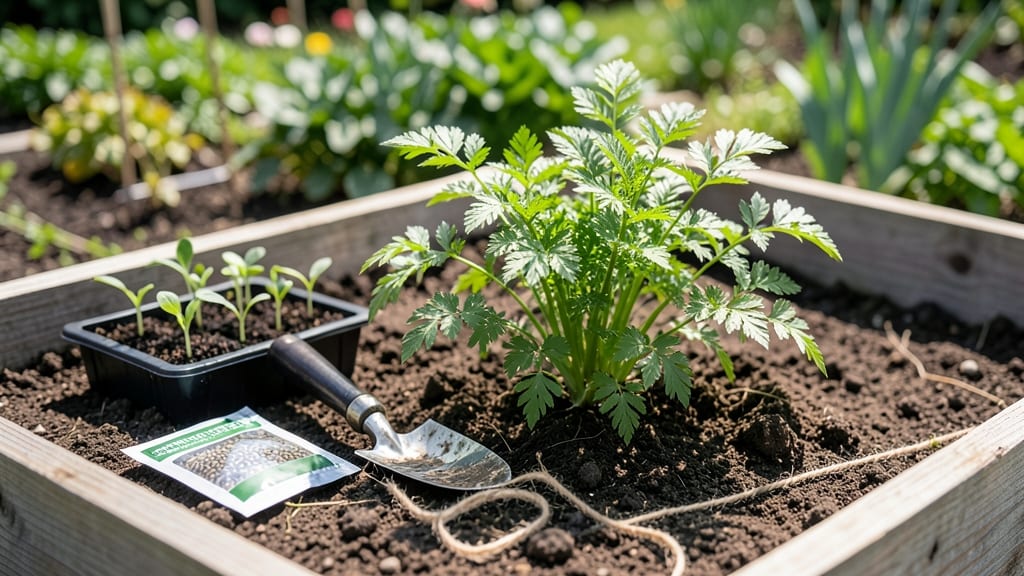
Planting carrots in Louisiana at the wrong time can mean the difference between a fast, bountiful harvest and struggling with slow germination or bitter roots. The key to success lies in timing—specifically, those crisp fall and early spring windows when temperatures are just right for these cool-season 🥕 favorites.
If you've ever wondered why your carrot seeds take forever to sprout or why your harvests fall short, the answer likely lies in your planting schedule. Louisiana's 8a-9b climate gives you two prime opportunities: late summer/early fall and late winter/early spring.
Missing these windows can leave your carrots fighting humidity, heat stress, or uneven growth.
I’ll show you exactly when to plant for fast germination—whether you’re sowing seeds in September for a winter harvest or prepping for that spring planting in February.
Plus, I’ll share pro tips to beat Louisiana’s challenges, like choosing the right varieties (think Danvers or Nantes) and avoiding common pitfalls that kill germination.
Ready to grow carrots that come up quick and taste sweet? Let’s dive into the perfect planting calendar for your zone—and set you up for a harvest that’ll make your garden the talk of the neighborhood.
Louisiana carrot planting calendar: best months by zone for fast germination
Louisiana’s USDA Zones 8a-9b offer a unique growing advantage for carrots—long, warm summers and mild winters. But timing is everything. Plant too early, and you’ll battle bolting (premature flowering). Plant too late, and slow germination or woody roots ruin your harvest.
The sweet spot? Fall and early spring when soil temps hover between 55°F and 85°F—perfect for carrot seeds to sprout reliably.
Carrots are cool-season crops, so Louisiana gardeners should focus on two key planting windows: September-October for fall crops and February-March for spring crops.
These timings align with Louisiana’s first frost date (December 1) and last frost date (February 15), ensuring a full growing season before extreme heat or cold sets in.
Pro tip: Avoid planting in summer months (May-August), when temperatures often exceed 85°F, causing seeds to dry out or sprout erratically.
For fast germination and sweet, tender roots, aim to plant carrots 4-6 weeks before your first frost. In Louisiana, this translates to mid-September for fall crops. Spring plantings should go in by early March to avoid bolting before harvest.
If you’re eager for an early spring crop, consider starting seeds indoors in January and transplanting seedlings outdoors after the last frost.
Louisiana’s humid climate can also impact carrot growth. Unlike drier regions, soggy soil or poor drainage leads to forked or misshapen roots. To combat this, amend your soil with compost or sand to improve drainage.
I recommend testing your soil’s pH (6.0-6.8 is ideal for carrots) and adjusting with lime or sulfur if needed. A soil test from your local LSU AgCenter can provide tailored advice for your parish.
For gardeners in southern Louisiana (Zone 9b), you can push the envelope slightly. Try planting a late summer crop in early August if you’re willing to take risks. Use row covers or shade cloth (30-50%) to protect seeds from scorching heat.
However, expect slower germination and smaller roots compared to fall or spring plantings. If you’re new to carrots, stick to the September-October window for the most reliable results.
Succession planting is another game-changer in Louisiana. Instead of sowing all your carrot seeds at once, space out plantings every 2-3 weeks from September through November. This ensures a steady supply of fresh carrots and reduces the risk of bolting from heat stress.
For example, plant one row in mid-September, another in early October, and a final row in late October. Harvest times will stagger, giving you carrots from December through February.
Don’t overlook carrot variety selection for Louisiana’s climate. Danvers and Nantes varieties are top picks—they tolerate heat better than others and produce sweet, straight roots. Avoid long, slender varieties like ‘Chantenay’ unless you’re growing in deep, loose soil, as they’re prone to forking in rocky or compacted ground.
My go-to? ‘Paris Market’ for quick harvests (50 days) or ‘Rainbow’ for colorful, kid-friendly roots.
Finally, mark your calendar for harvest time. Fall-planted carrots should be ready by December-January, while spring crops hit their prime in May-June. Look for tops 6-8 inches tall and roots 3/4 to 1 inch in diameter.
If left too long, carrots become woody and lose sweetness. For the best flavor, harvest in the morning after watering—this keeps them crisp and hydrated.
With these zone-specific dates and pro tips, you’ll enjoy a bountiful carrot harvest tailored to Louisiana’s
Louisiana carrot planting calendar: best months by zone for fast germination
Louisiana’s USDA Zones 8a-9b offer two prime windows for growing crisp, sweet carrots: fall and early spring. The key is timing—plant too early, and heat zaps germination; too late, and frost ruins your crop. Here’s my foolproof schedule for fast germination and bigger roots.
Carrots thrive when soil temps hover between 55–85°F. In Louisiana, that means September–October for fall crops and February–March for spring. Avoid summer planting—bolting (premature flowering) turns your roots bitter and woody. Pro tip: Use shade cloth if you must plant in late spring to buy time.
| Season | Best Planting Months | Soil Temp (°F) | Days to Harvest | Varieties to Try |
|---|---|---|---|---|
| Fall | September–October | 65–75°F | 70–80 days | Danvers, Chantenay |
| Spring | February–March | 55–65°F | 60–75 days | Nantes, Paris Market |
| Late Summer (Risky) | August (with shade) | 75–85°F | 50–60 days | Bolero, Short ‘n Sweet |
For fall planting, aim to harvest before the first frost (around December 1 in most of Louisiana). Start seeds indoors 4–6 weeks before transplanting outdoors. In spring, sow directly into the garden—carrots hate being transplanted. Use loose, rocky-free soil to prevent forked roots.
If you’re eager for a summer harvest, try succession planting every 2 weeks in late spring. Choose heat-tolerant varieties like ‘Bolero’ and provide afternoon shade with 30% shade cloth. Mulch with straw to keep soil cool and moist—this trick works wonders in Louisiana’s humidity.
Remember: Thin seedlings to 2–3 inches apart once they sprout. Crowding leads to small, misshapen carrots. Water deeply once a week (1 inch total) and avoid wetting foliage to prevent fungal diseases like leaf blight, common in Louisiana’s damp climate.
With these zone-specific dates and tips, you’ll enjoy crunchy, homegrown carrots from December through June. Happy planting—your garden (and taste buds) will thank you! 🥕