
Plants
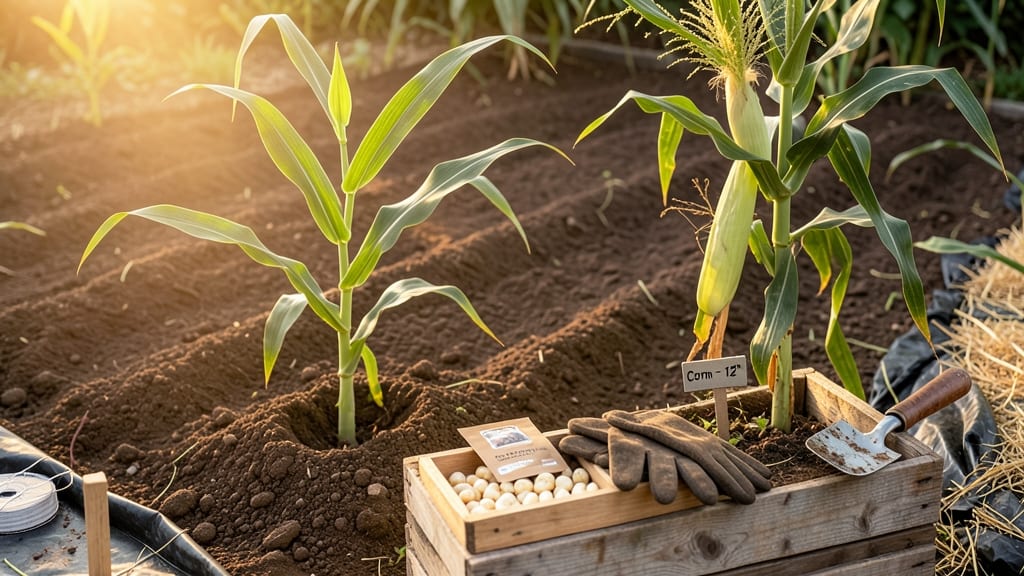
Timing your Corn 🌽 planting in South Carolina can make or break your harvest—get it right, and you’ll enjoy sweet, plump ears all summer long. With the state’s USDA Zones 7b-8a, knowing when to drop those seeds is everything, especially since frost can sneak in unexpectedly.
Most gardeners in South Carolina aim to plant mid-April to late May, once the soil warms to at least 60°F and the last frost has passed. But here’s the catch: coastal areas and the Upstate have different rules, and skipping this step could mean stunted plants or wasted seeds.
In this guide, I’ll break down the exact planting windows for your zone, plus tips to adjust for your local microclimate. Whether you’re growing sweet corn for the table or field corn for livestock, you’ll learn how to time it perfectly for a bountiful harvest.
Ready to turn your garden into a cornucopia? Let’s dive into the frost-free timeline that’ll set you up for success—no guesswork required.
South Carolina corn planting dates by USDA hardiness zones (7b-8a)
South Carolina spans USDA Zones 7b through 8a, meaning frost dates vary dramatically from the coastal Lowcountry to the Upstate Piedmont. To maximize your corn harvest, align planting with your zone’s last frost date and soil temperature—corn needs 60°F+ soil to germinate properly.
Here’s your zone-by-zone planting timeline:
In Zone 7b (Upstate), where frosts linger until mid-April, aim to plant early-maturing varieties (60-75 days) between late March and mid-April. For Zone 8a (Coastal), with later frosts (early April), stretch planting to late April through early May for mid-to-late season varieties (90-120 days).
🌽 Pro Tip: Use a soil thermometer—corn seeds won’t sprout until soil hits 60°F. In cooler Upstate areas, wait until mid-April even if frost risk is low.
For Zone 7b gardeners, prioritize short-day varieties like ‘Silver Queen’ (70 days) or ‘Peaches and Cream’ (72 days). These mature before summer heat peaks, avoiding corn earworm pressure.
In Zone 8a, opt for drought-tolerant types like ‘Bodacious’ (85 days) or ‘Pride of Baltimore’ (90 days) to handle coastal humidity.
🌡️ Key Rule: Never plant corn before soil warms to 60°F—cold soil delays germination by weeks. Test with a thermometer at 4-inch depth in the morning.
If you’re in the Upstate mountains, consider a two-planting strategy: sow early varieties in late March and late varieties in early May to stagger harvests.
This spreads risk if early frosts strike or summer droughts hit. For coastal gardeners, focus on one late planting in May to avoid hurricane-season wind damage.
🌱 Extension Tip: Use black plastic mulch to warm soil faster in Zone 7b. Lay it down 2 weeks before planting to jumpstart germination.
Miss the ideal window? Don’t panic—corn is heat-tolerant once established. In Zone 8a, you can push planting to early June for late varieties, though yields may drop. Just ensure 100+ frost-free days remain for maturity.
📅 2024 Reminder: Check the SC State Climate Office for real-time frost alerts. Their 30-year averages show Upstate frosts can linger until April 20, while Charleston rarely sees frost after March 15.
How to adjust corn planting for South Carolina’s microclimates and soil types
South Carolina’s varied geography—from the humid coastal plains to the drier piedmont region—means planting dates and soil prep can differ dramatically even within the state.
If you’re growing corn in Zone 7b (Upstate), you’ll need to adjust earlier than Zone 8a (Coastal Lowcountry), where warmer winters allow later starts. Soil type also plays a critical role: sandy soils warm faster but drain too quickly, while clay holds moisture but can suffocate roots if not amended.
For coastal areas (e.g., Charleston, Hilton Head), aim to plant late April to early May—the risk of late frosts drops after April 15, and soil temperatures hit 60°F consistently by then.
In contrast, Upstate regions (Greenville, Spartanburg) should start mid-to-late April, as frost dates can linger until mid-April. Use a soil thermometer to confirm readiness; corn seeds won’t germinate below 55°F, and growth stalls below 60°F.
🌱
- Coastal: Sandy soils dry out fast—mulch heavily with straw to retain moisture.
- Piedmont: Clay soils compact easily—add compost to improve drainage before planting.
- Both: Avoid planting in low-lying areas where cold air pools, increasing frost risk.
If your soil is sandy or rocky, mix in 2-3 inches of compost or aged manure before planting to boost nutrient retention.
For clay-heavy soils, till in organic matter like leaf mold or peat moss to loosen the texture. Raise beds in problem areas—corn roots need oxygen, and waterlogged soil can lead to root rot or stunted growth.
Elevate beds by 6-12 inches and fill with a 50/50 mix of soil and compost for ideal conditions.
For gardeners in Zone 7b with shorter growing seasons, consider starter plants or early-maturing varieties (60-75 days to harvest). Plant succession crops every 2 weeks until mid-June to stretch your harvest window.
In Zone 8a, you can push planting into early June for fall harvests, but choose drought-tolerant varieties like ‘Silver Queen’ or ‘Peaches and Cream’, which handle heat better than standard sweet corn.
Irrigation access is another game-changer. Drip irrigation or soaker hoses are ideal for South Carolina’s summer heat and humidity, which can cause uneven watering if relying on overhead sprinklers.
Water deeply in the morning to prevent fungal diseases like corn smut, and avoid wetting foliage. Mulch with straw after germination to lock in moisture and suppress weeds—critical in sandy soils where water evaporates quickly.
Finally, monitor your local Almanac frost predictions and adjust by 1-2 weeks if your microclimate runs cooler (e.g., near lakes or mountains). Row covers can buy you 2-3 extra weeks of planting time in early spring, while black plastic mulch warms soil faster in cooler zones.
With these tweaks, you’ll maximize your corn’s potential—whether you’re in sunny Myrtle Beach or shady Greenville.