
Plants
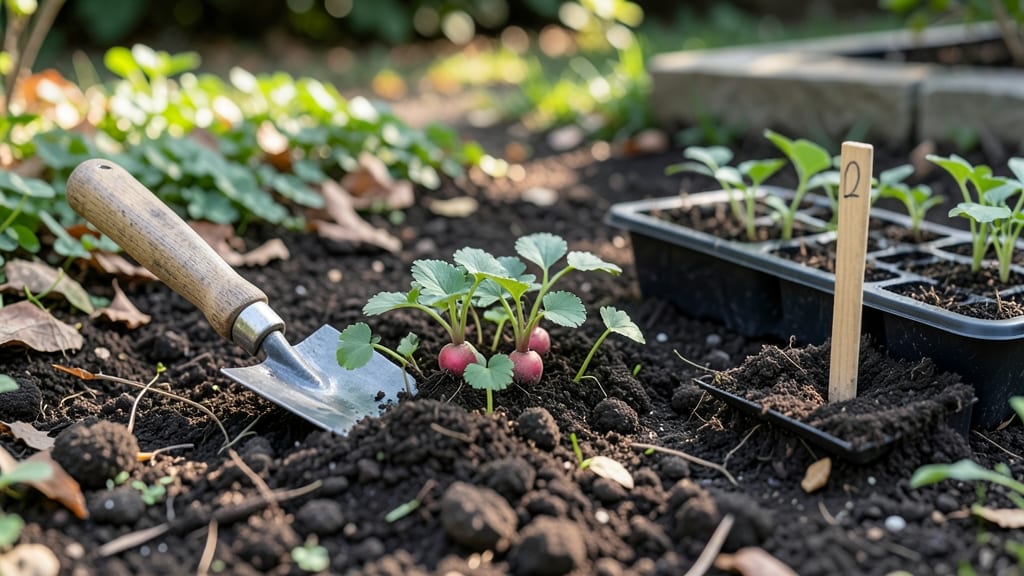
Arkansas radish planting calendar by hardiness Zone (7a vs 7b)
Arkansas spans USDA Zones 7a and 7b, which means your last frost date can vary by 1-2 weeks between northern and southern regions. Radishes thrive in cool weather, so timing your spring and fall plantings around these dates is critical for sweet, crisp harvests.
For Zone 7a (north Arkansas), aim to plant 2-3 weeks before your average last frost (around February 20-March 5). In Zone 7b (south Arkansas), you can start slightly earlier (February 15-March 1) thanks to milder winters.
Fall plantings should begin 6-8 weeks before your first frost (typically August 15-September 10).
Missed the spring window? Don’t worry—radishes are fast growers (25-30 days), so you can often squeeze in late summer plantings (July) for fall harvests. Just avoid planting in hot summer months (June-August), as heat makes radishes bolt and turn bitter.
For fastest growth, prioritize early spring plantings in well-draining soil enriched with compost. Arkansas’s humid summers can stress radishes, so opt for shorter-day varieties like 'Cherry Belle' or 'Easter Egg' to avoid bolting. These varieties also handle fall planting better than heat-sensitive types.
Pro tip: Use a seed starting kit to test soil temperature before planting. Radishes germinate best in soil temps between 50°F and 75°F. If your soil is cooler than 50°F, wait 1-2 weeks or use black plastic mulch to warm the soil faster.
In Zone 7a, where winters are colder, consider cold frames or row covers to extend your fall harvest into early December. Just remove them during the day to prevent overheating. For Zone 7b, you can push harvests even later with these methods.
Always check your local Arkansas Cooperative Extension Service for microclimate adjustments. Areas like the Ozarks may have earlier frosts than the Delta, so adjust your planting dates accordingly.
Remember: Radishes are short-season crops, so succession planting every 2 weeks ensures a steady harvest. Save seeds from your best-performing varieties for next year!
How to extend your Arkansas radish season without risking frost damage
Arkansas's humid summers and chilly winters can make radish growing tricky, but with the right strategies, you can enjoy fresh harvests almost year-round. The key is choosing cold-hardy varieties and using protective methods to shield tender seedlings from unexpected frosts.
I’ve tested these techniques in my own garden, and they’ve helped me push my radish season well into late fall—and even early spring!
Start by selecting fast-maturing varieties like 'Cherry Belle' (25 days) or 'French Breakfast' (30 days), which can handle cooler temperatures better than heat-sensitive types. These varieties are also less likely to bolt—an issue when Arkansas’s spring and fall temperatures fluctuate unpredictably.
Plant them in well-draining soil enriched with compost to give them a strong start.
🌱
Extend your season by 2-3 weeks in fall or spring using lightweight row covers. These protect seedlings from light frosts (28°F) while allowing sunlight and air to pass through. For colder nights, add a mini greenhouse or cold frame.
Sow radishes every 2 weeks from early spring through late summer. This ensures a continuous harvest and reduces the risk of losing an entire crop to sudden temperature drops.
In early spring, use black plastic mulch or a soil warming mat to raise soil temperatures by 5-10°F. This encourages faster germination and helps radishes grow before the last frost.
For late summer plantings, opt for shade-tolerant types like 'Easter Egg' or 'White Icicle.' These handle Arkansas’s intense afternoon sun better and reduce the risk of bolting.
Apply a 2-inch layer of straw mulch around radish plants in fall. This insulates roots from temperature swings and retains moisture during Arkansas’s dry spells.
Timing is critical for fall plantings. Aim to sow radishes 6-8 weeks before the first frost (typically mid-October in Arkansas). This gives them enough time to mature before winter sets in.
For example, if your first frost is November 15, plant by early October. Use a frost date calculator for your specific Arkansas county to fine-tune your schedule.
One of my favorite tricks is interplanting radishes with slower-growing crops like lettuce or spinach. The radishes mature quickly, leaving space for the longer-season plants. This maximizes your garden’s productivity and minimizes wasted space.
Just be sure to thin radishes to 1 inch apart to prevent overcrowding, which leads to small, woody roots.
Finally, keep an eye on the weather forecast. If a hard frost (<25°F) is predicted, cover your radishes with a heavy blanket or frost cloth the night before. Most varieties can survive a single light frost, but prolonged cold will damage the roots. Harvest any mature radishes before the frost hits to enjoy them fresh.