
Plants
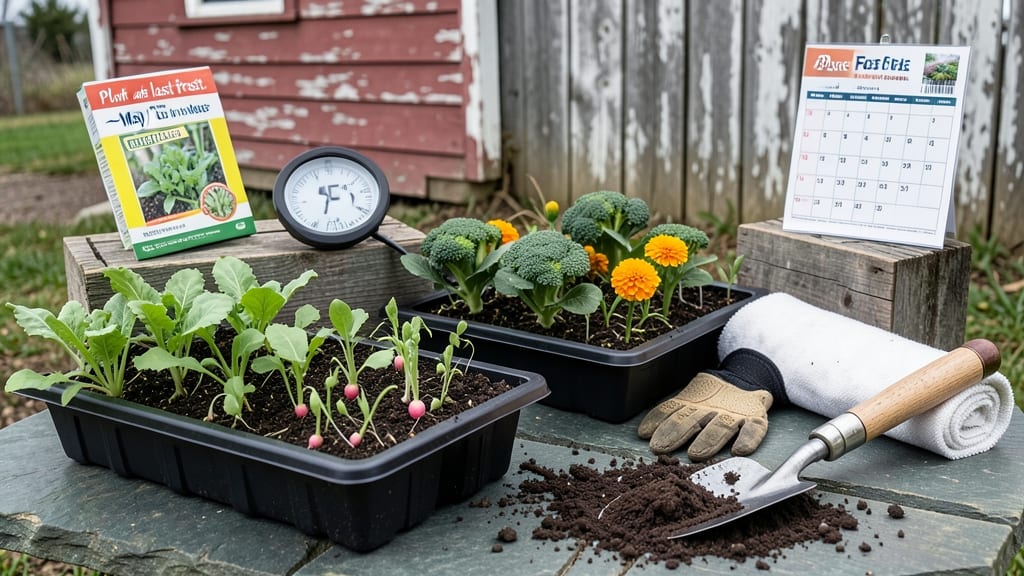
Maine’s frost-free planting calendar: key dates by seed type
Maine’s short growing season demands precision when planting seeds. The average last frost date across most of the state falls between April 30 and May 15, but microclimates—especially in coastal areas—can push this back by weeks.
For USDA Zones 4-6, timing is everything: plant too early, and frost will kill tender seedlings; too late, and your harvest shrinks. Let’s break down the ideal planting windows for Maine’s most popular seeds.
Start by grouping seeds into three categories: cool-season crops (like peas and spinach), warm-season crops (tomatoes, peppers), and cold-hardy vegetables (kale, broccoli). Each has unique frost tolerance and soil temperature needs.
For example, peas and lettuce can handle light frosts, while tomatoes and cucumbers need warm soil to germinate. Planning ahead ensures your garden thrives despite Maine’s unpredictable spring weather.
Here’s a quick reference for direct sowing outdoors—the best method for many Maine gardeners to avoid transplant shock. For warm-season crops, always start seeds indoors 6-8 weeks before the last frost to give them a head start. Use grow lights if natural light is limited in early spring.
For warm-season crops, Maine’s cool soil is the biggest hurdle. Use black plastic mulch or cold frames to warm the soil faster. I’ve had great success with tomato plants by starting them indoors in early March and transplanting after Memorial Day.
If you’re in Zone 5 or 6, aim for June 1 as the last safe date for direct sowing beans or squash.
Don’t overlook late-season planting! Many crops like kale, carrots, and beets can be sown as late as July 15 for fall harvests. These cold-hardy varieties often taste sweeter after a light frost.
Just check your local frost-free date—some inland areas of Maine can see frost as late as September 30, while coastal regions may stay frost-free until October 15.
Pro tip: Use seed packet recommendations as a starting point, but adjust based on your microclimate. A south-facing garden warms up faster than a shady spot. I’ve even planted radishes in late July in my sunniest beds and harvested them before the first frost—perfect for quick salads!
If you’re new to Maine gardening, err on the side of caution. It’s better to plant a few weeks late and still get a harvest than to lose everything to frost. For high-value crops like tomatoes, consider using row covers to extend the season by 2-3 weeks.
Finally, keep a gardening journal to track your planting dates and outcomes. Over time, you’ll fine-tune your schedule to match Maine’s unpredictable weather patterns. Next season, you’ll be the local expert on when to plant seeds for maximum success!
How to adjust planting times for Maine’s unpredictable weather
Maine’s weather can throw off even the most experienced gardener—one day it’s 60°F, the next it’s a frost warning. To protect your seedlings, I’ve learned to use row covers and frost cloths as my secret weapons.
These lightweight fabrics create a microclimate that traps heat and shields young plants from unexpected late frosts, which can still hit as late as May 15 in many areas.
For extra safety, I always check the National Weather Service for frost forecasts and adjust my planting schedule accordingly. If a frost is predicted within 48 hours, I’ll either delay sowing or use heat mats to warm the soil faster.
This small precaution can mean the difference between a thriving garden and a sad pile of frozen seedlings.
Another trick I swear by is staggered planting. Instead of sowing all your seeds at once, I plant a portion every 2 weeks to ensure a steady harvest.
For example, with lettuce, I’ll start my first batch in early April under row covers, then plant another in mid-May once the threat of frost has passed. This way, I get fresh greens all summer long without risking a total loss.
For warm-season crops like tomatoes and peppers, I always start them indoors 6-8 weeks before the last frost date. This gives them a head start, and I’ll harden them off before transplanting after May 20.
If you’re unsure about your local frost date, use the USDA Plant Hardiness Zone Map for Maine (zones 4-6) as a guideline.
Don’t forget to monitor soil temperature with a simple soil thermometer. Most seeds need soil that’s at least 40°F for cool-season crops and 60°F+ for warm-season varieties. If your soil is still cold, hold off until it warms up—your plants will thank you with faster, healthier growth.
Finally, keep a gardening journal to track your planting dates and weather patterns. Over time, you’ll notice trends in your microclimate—like that shady corner that stays frost-free longer or the sunny spot that heats up faster. This local knowledge is invaluable for fine-tuning your planting schedule year after year.