
Plants
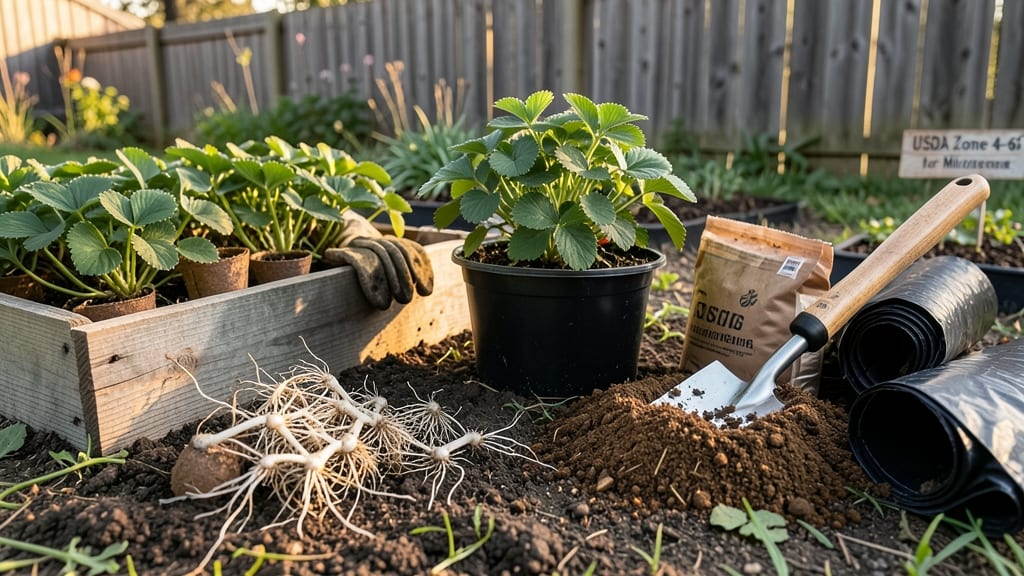
Timing your 🍓 strawberry planting in Michigan can mean the difference between a bountiful harvest and a sad, frost-nipped disappointment. With the state's unpredictable swings from late-season freezes to sudden heat waves, knowing exactly when to plant is the key to success.
Most Michigan gardeners swear by early spring planting—think March to April—when soil temperatures finally climb above 40°F. But here's the catch: your county matters. Southern Lower Michigan's milder climate lets you start weeks earlier than the Upper Peninsula, where frosts linger until mid-May.
We'll break down the exact frost-free windows by region, plus pro tips for extending your growing season. Whether you're working with bare-root plants or potted varieties, you'll learn how to beat Michigan's climate curve and enjoy homegrown berries from June through August.
Ready to transform your garden into a strawberry paradise? Let's get those plants in the ground at the perfect moment—before the next frost warning hits your phone.
Michigan strawberry planting timeline by county: frost-free dates & optimal windows
Michigan’s strawberry planting windows hinge on last frost dates, which vary dramatically across USDA zones 5b-6b. In Southern Lower Michigan (like Wayne County), you can plant as early as late March, while Northern Lower Michigan (like Grand Traverse) waits until mid-April.
The Upper Peninsula often delays planting until early May due to colder microclimates.
For June-bearing varieties, aim to plant 4-6 weeks before your last frost date—this gives roots time to establish before active growth begins. Everbearing varieties are more flexible but still benefit from early spring planting to maximize fall harvests.
Always check your local frost-free average (available through Michigan State University Extension), as late frosts can devastate young plants.
Here’s how bare-root vs. potted strawberries affect timing: Bare-root plants must go in the ground immediately after purchase (they’re dormant but vulnerable to drying). Potted plants can wait 1-2 weeks longer since they’re already established. Never plant when soil temperatures are below 45°F—roots won’t develop properly.
🌱
If you’re in Zone 6b (like Lansing), you can push bare-root planting to early March but use frost blankets for the first 2-3 weeks. For potted plants, wait until mid-April to avoid root shock from temperature swings.
Pro tip: Test soil temperature with a soil thermometer—roots won’t grow below 45°F, even if the air is warmer.
For fall planting, the window is July 15–August 15 across Michigan. These plants won’t fruit until next summer but establish stronger roots before winter. Mulch with straw (not leaves) to insulate crowns and prevent heaving during freeze-thaw cycles.
In colder zones, add 3 inches of mulch; in warmer zones, 2 inches suffices.
🌡️
One critical mistake Michigan gardeners make is planting June-bearing strawberries too early in Southern Lower Michigan (before March 20). While the soil may feel warm, late frosts in April can kill young shoots.
Use MSU’s Frost Risk Tool to check 10-day forecasts before planting. For Northern Michigan, delay until after April 15—even potted plants can suffer if nights dip below 32°F.
Another regional challenge is late-spring heat spikes, which stunt growth if soil stays
How to extend Michigan’s strawberry growing season: cold protection & early planting hacks
Michigan’s unpredictable spring frosts can devastate strawberry plants if you’re not prepared. The key to success? Extending your growing season with smart timing and protective strategies. Whether you’re planting June-bearing or everbearing varieties, these hacks will help you beat the cold and enjoy berries weeks earlier than your neighbors.
Start by choosing the right planting window. For June-bearing strawberries, plant in early April (after the last frost) to ensure roots establish before heat sets in. Everbearing varieties are more flexible—they thrive with late-summer planting (July-August) for fall harvests.
The trick? Stagger your plantings to spread out your harvest and reduce frost risk.
- 1. Use row covers (floating fabric) to protect plants from late frosts (down to 20°F). Secure edges with soil or bricks to prevent wind damage.
- 2. Mulch heavily with straw or pine needles (3–4 inches) to insulate roots. This keeps soil 5–10°F warmer and retains moisture.
- 3. Plant in containers near a south-facing wall or use cold frames to trap heat. Move pots indoors during hard freezes.
- 4. Choose hardy varieties like ‘Honeoye’ or ‘Jewel’, which tolerate USDA Zone 5 and recover faster from frost damage.
- 5. Warm soil with black plastic before planting. Lay black landscape fabric over beds in March to raise soil temps by 10°F—perfect for early strawberries.
Don’t overlook succession planting for fall crops. If you miss the spring window, try planting everbearing strawberries in late July. These varieties produce two harvests: one in early fall and another in spring.
Just be sure to protect them with row covers as temperatures dip below 35°F.
Monitor soil temperatures with a soil thermometer—strawberries need 45–55°F to thrive. If your soil is too cold, delay planting until temps rise. Pro tip: Water beds with warm water (from a sun-heated barrel) to jumpstart root growth in chilly springs.
For container growers, move pots to a garage or basement during winter and replant in early April. This resets the clock and gives you a 3–4 week head start on garden-planted berries. Just ensure pots have drainage holes to prevent root rot.
With these strategies, you’ll outsmart Michigan’s climate and enjoy sweeter, earlier strawberries—no matter where you garden. The secret? Plan ahead, protect your plants, and stay flexible with your planting schedule. 🌱