
Plants
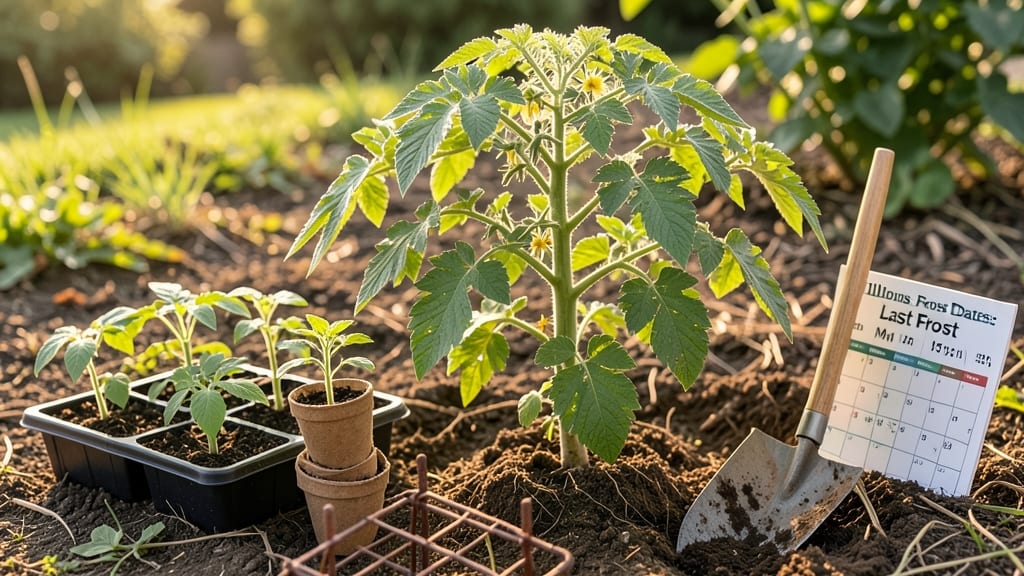
If you're asking "when do you plant tomatoes in Illinois", timing is the secret to juicy, abundant harvests—and getting it wrong can mean sad, frost-nipped seedlings.
The 5b-6b zones here demand precision, with last frost dates swinging wildly from April 15 in northern areas to May 15 in the south.
But here's the catch: planting too early risks killing tender 🍅 seedlings, while waiting too long shrinks your harvest window. I’ll break down the exact dates for starting seeds indoors (6–8 weeks before last frost) and transplanting outdoors—plus how to read soil temperatures like a pro.
You’ll also discover how to adjust for your specific corner of Illinois, whether you’re in Chicago’s cooler climes or St. Louis’ slightly warmer microclimate. Let’s turn your tomato dreams into reality with a foolproof planting schedule.
Ready to grow tomatoes that outperform your neighbors’? Let’s get started with the 3-step timeline that works for Illinois gardeners—no guesswork, just guaranteed results.
Illinois planting zones and frost-free dates for tomatoes (2024 guide)
Planting tomatoes in Illinois requires precision—miss the window, and you risk frost damage or poor yields. The last frost dates vary dramatically across the state, from mid-April in southern Illinois to late May in the northern regions.
Understanding your USDA zone (5b-6b) and soil temperature requirements is key to timing your plantings perfectly.
Tomatoes thrive when soil temperatures hit at least 60°F (15°C) and nighttime temps stay above 50°F (10°C). In Illinois, this typically aligns with late April to early May for most regions, but cooler zones like Chicago’s outskirts (Zone 5b) may need to wait until mid-May.
Let’s break down the exact dates and methods for your area.
🌱 Illinois Tomato Planting Timeline by Zone
| Zone | Last Frost Date | Soil Temp Requirement | Transplant Window | Direct Sow Window |
|---|---|---|---|---|
| Southern IL (Zone 6b) | April 15 | 60°F+ | April 20 - May 5 | May 1 - May 15 |
| Central IL (Zone 5b-6a) | April 25 - May 5 | 60°F+ | May 1 - May 15 | May 10 - May 30 |
| Northern IL (Zone 5a-5b) | May 10 - May 20 | 60°F+ | May 15 - June 1 | June 1 - June 10 |
*Use row covers to extend transplant windows by 2-3 weeks in cooler zones.
For gardeners in Zone 6b (southern Illinois), you can start transplanting seedlings as early as April 20 if nighttime temps stay above 50°F. In Zone 5b (central Illinois), wait until May 1 to avoid frost damage.
Northern Illinois gardeners in Zone 5a should hold off until mid-May or use protective covers.
If you’re starting seeds indoors, begin 6-8 weeks before your last frost date. For example, Zone 5b gardeners should start seeds by March 15, while Zone 6b gardeners can start as early as February 28.
Use grow lights to ensure seedlings get 12-16 hours of light daily until transplanting.
Direct sowing tomatoes is less common but works well for heat-loving varieties like ‘Celebrity’ or ‘Better Boy’. In southern Illinois, you can direct sow after May 1, while northern zones should wait until early June.
Always monitor soil temperature with a thermometer—tomatoes won’t germinate well below 60°F.
Pro tip: Use a soil thermometer to confirm readiness. If temps dip below 50°F at night, protect seedlings with frost cloth or a mini greenhouse. This extra step can extend your growing season by 2-3 weeks, giving you more time for a bountiful harvest.
Remember, Illinois weather is unpredictable. Check the National Weather Service or local Cooperative Extension office for real-time frost alerts. Adjust your planting timeline by 1-2 weeks if late frosts are forecasted. Your tomatoes will thank you with juicier, sweeter fruit!
For gardeners in urban areas like Chicago, microclimates can shift frost dates by 5-7 days. If your backyard is warmer than surrounding areas (e.g., near pavement or buildings), you may plant 1 week earlier. Conversely, open fields or elevated areas can experience frost 1-2 weeks later.
Once you’ve nailed down your planting window, focus on soil prep. Tomatoes love well-draining, slightly acidic soil (pH 6.0-6.8). Amend your soil with compost or aged manure 2-3 weeks before transplanting to give roots a nutrient boost. Avoid fresh manure—it can burn delicate seedlings.
With the right timing and soil prep, you’ll be enjoying homegrown tomatoes from July through October. Now that you’ve got your frost-free dates locked in, let’s talk about choosing the right varieties for your Illinois climate in the next section.
How to adjust planting time for early vs. late varieties in Illinois
Not all tomatoes thrive equally in Illinois’ variable spring temperatures. Early varieties like ‘Stupice’ or ‘Mountain Merit’ tolerate cooler soils, while heat-lovers such as ‘Celebrity’ or ‘Better Boy’ need warmer conditions. Adjust your planting timeline based on your variety’s day-to-maturity and your zone’s last frost date.
For cool-season varieties, start seeds indoors 8–10 weeks before your last frost (early March for Northern Illinois). Transplant outdoors 2–3 weeks before the average last frost date. These varieties can handle 50°F nighttime temps and even light frosts after transplanting.
Heat-loving varieties require soil temperatures above 60°F and consistent warmth. Start these seeds indoors 6–8 weeks before your last frost, but delay transplanting until mid-to-late May when soil is reliably warm. Use row covers or black plastic mulch to warm the soil faster if needed.
⚠️⚠️⚠️ KEY INSIGHT
- Early Varieties (60–70 days to harvest): Start seeds March 1–15 (indoors), transplant April 15–May 1.
- Mid-Season Varieties (70–80 days): Start seeds March 15–April 1, transplant May 1–15.
- Late Varieties (80+ days): Start seeds April 1–15, transplant May 15–June 1.
Extend your harvest by using succession planting. For bush varieties, sow a second batch 2–3 weeks after your first planting. For indeterminate vining types, stagger plantings every 2 weeks from late April through early June. This ensures a continuous harvest from July through October.
Protect young plants from late spring frosts (common in Northern Illinois) with floating row covers or cloches. Remove covers during the day to allow pollination but replace them at night.
For extended fall harvests, use low tunnels or cold frames to keep soil warm and plants growing until the first frost.
Monitor your local microclimate—areas near large bodies of water or urban heat islands may have earlier last frosts or warmer soils. Adjust your planting dates accordingly, and always have backup row covers on hand for unexpected cold snaps.