
Plants
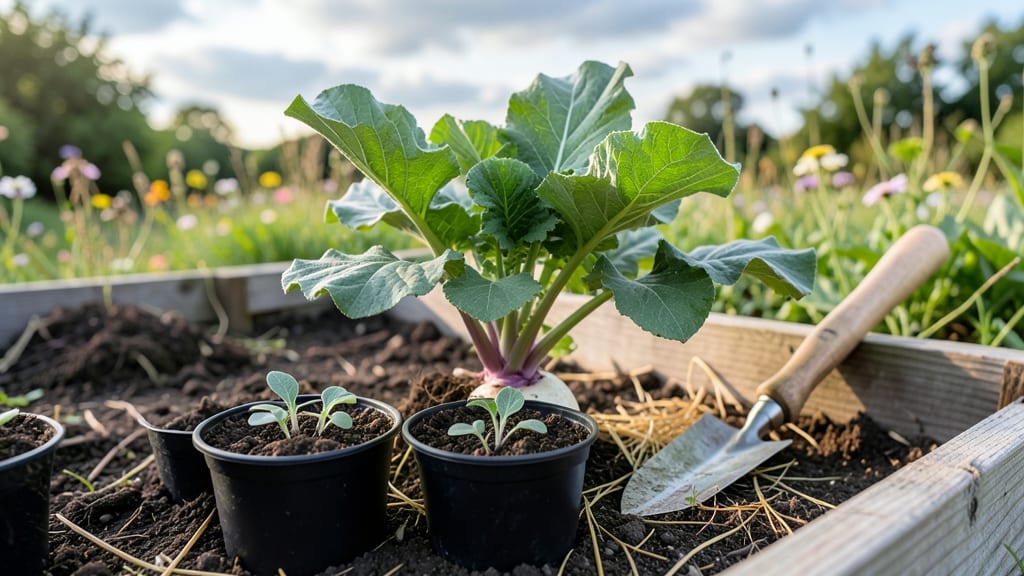
Planting turnips in Georgia isn’t just about throwing seeds in the dirt—it’s about mastering the perfect timing to beat the heat, humidity, and unpredictable frost.
Whether you’re in the coastal lowlands or the Piedmont hills, getting the schedule right means the difference between a bumper crop of sweet, tender roots and bitter, bolted greens.
Georgia’s 7b-8b climate gives you two ideal windows: a fall planting rush from mid-August to early October and a spring kickoff in February through April. But here’s the catch—your exact timing depends on where you live.
Coastal areas can push later into October, while mountain regions might need to start earlier to avoid early frosts creeping in by November 15.
Why does this matter? Turnips are frost-tolerant but hate extreme heat—so planting too early in spring or too late in fall risks stunted growth or premature bolting. I’ll break down the exact month-by-month schedule for your microclimate, plus soil prep secrets to ensure your 🥕 thrive from seed to harvest.
Ready to grow turnips that outperform the neighbors? Let’s dive into the science-backed schedule that turns Georgia’s growing seasons into your advantage.
Georgia turnip planting calendar by region: coastal vs Piedmont vs mountain
Georgia’s three distinct regions—coastal, Piedmont, and mountain—each demand different turnip planting strategies due to their unique frost dates and soil conditions. The coastal zone (USDA 8a-8b) has milder winters, while the Piedmont (7b-8a) experiences more temperature swings, and the mountains (7a-7b) face earlier frosts.
Let’s break down the ideal planting windows for each to maximize your harvest.
For coastal Georgia, your planting window stretches from mid-August to early October for fall crops and late February to early April for spring. The Piedmont gardeners should aim for late August to mid-September in fall and early March to early April in spring.
Meanwhile, mountain regions have a shorter window: late August to early September for fall and early March to mid-April for spring.
Here’s the key difference: coastal areas can push planting into early October thanks to their delayed first frost (around November 15), while mountain regions must finish by early September to avoid frost damage.
Soil temperatures also play a role—turnips thrive when soil reaches 45°F (7°C) or warmer, which coastal areas hit earlier in spring.
Adjust your planting schedule based on soil temperature—use a soil thermometer to confirm readiness. Coastal gardeners can sometimes push fall planting into early October, but Piedmont and mountain regions should stop by mid-September to avoid frost.
For spring, wait until soil warms to 50°F (10°C) before sowing, especially in cooler mountain areas.
Pro tip: Succession plant every 2 weeks in fall for a continuous harvest. This works especially well in the Piedmont, where cooler nights slow growth. Start with a small test batch in late August to gauge your local frost timing—Georgia’s weather can be unpredictable!
Turnips are cold-hardy but won’t tolerate frost, so time your last spring planting to finish harvesting by mid-May before summer heat sets in. In coastal areas, you can sometimes squeeze in a late fall harvest by using row covers to extend the season until early December.
For Piedmont gardeners, focus on early September plantings—they’ll mature just before the first frost. Mountain regions should prioritize late August to ensure roots develop before winter. Always check your local extension service for updated frost dates, as microclimates can shift planting windows by weeks.
One more critical tip: Avoid planting turnips in summer (June-August) unless you’re using shade cloth—Georgia’s heat causes turnips to bolt (go to seed) quickly. Save summer for fast-growing greens like lettuce or spinach instead.
With these regional guidelines, you’ll avoid the #1 turnip-growing mistake in Georgia: planting too late in fall or too early in spring. Stick to these windows, and you’ll enjoy sweet, tender roots from both seasons!
How to time turnip planting for maximum yield in Georgia’s unpredictable weather
Georgia’s weather can be as unpredictable as a summer storm, but with the right strategies, you can still grow bountiful turnips year-round. The key lies in succession planting, cold-hardy varieties, and using tools like row covers to protect tender seedlings.
Even if your spring arrives late or your fall turns chilly early, these techniques will help you extend your growing season and avoid wasted effort.
Start by planting early varieties like ‘Tokyo Cross’ in late February for spring harvests, then follow with heat-tolerant types like ‘Purple Top White Globe’ in August for fall crops. This staggered approach ensures you’re always harvesting fresh greens or roots, regardless of weather whims.
For example, if your last frost date shifts later than usual, simply delay your spring planting by a few weeks.
Here’s my pro tip: Use black plastic mulch in early spring to warm the soil faster, giving your turnips a head start. In fall, switch to straw mulch to insulate roots from early frosts.
Both tricks can push your harvest window by 2-3 weeks—a game-changer in Georgia’s USDA zones 7b-8b.
🌱 Key Takeaways for Georgia Turnip Growers
- Succession Plant: Sow seeds every 2-3 weeks from February to October for continuous harvests.
- Use Row Covers: Protect seedlings from late frosts (spring) or early heat (fall) with lightweight fabric.
- Monitor Soil Temps: Turnips thrive in 50-75°F soil. Wait until soil warms to 55°F in spring.
- Adjust for Microclimates: Coastal areas can plant 1-2 weeks earlier than Piedmont regions.
- Harvest Before Bolting: Turnips bolt in heat over 80°F. Harvest greens first if roots stall.
Don’t overlook soil preparation—Georgia’s clay-heavy soils need amending with compost or aged manure to improve drainage. Test your soil’s pH (6.0-7.0 is ideal) and add lime if needed. I once skipped this step and ended up with stunted roots—a lesson learned the hard way!
Water deeply after planting to encourage strong root growth, especially in sandy soils that dry out quickly.
For late-season extensions, try container growing with 5-gallon pots. Move pots to a sheltered spot or even indoors near a sunny window when temperatures drop below 40°F.
This lets you harvest greens year-round, even when roots struggle in cold soil. Just ensure pots have drainage holes to prevent rot.
Finally, keep an eye on pests and diseases. Flea beetles love turnip seedlings, so use row covers or neem oil as a preventive. In humid coastal areas, watch for downy mildew—space plants 6 inches apart for airflow and water at soil level to avoid wetting leaves.
With these adjustments, you’ll turn Georgia’s quirks into opportunities for a reliable turnip harvest.