
Trees
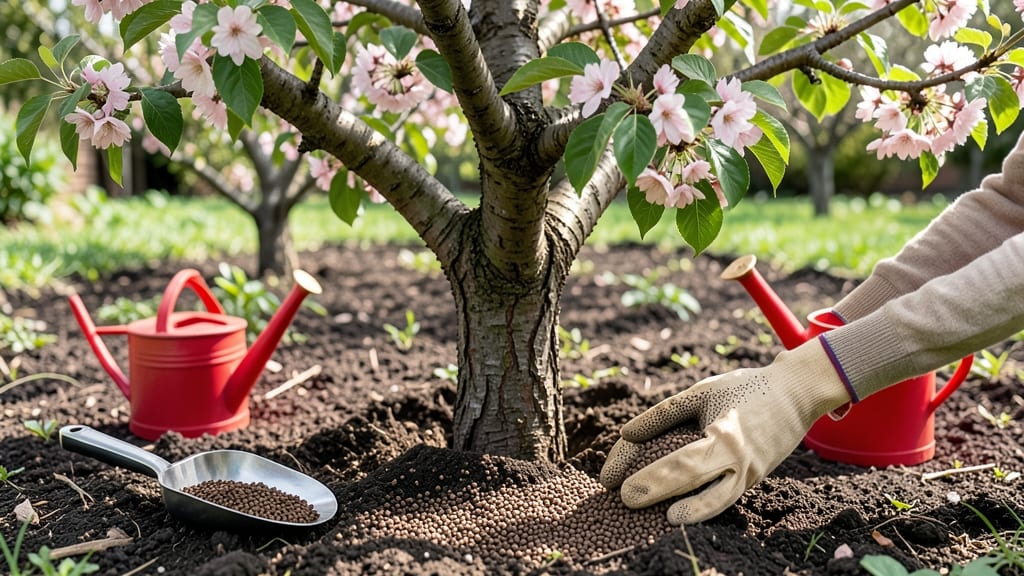
Optimal fertilization timing for fruit trees: spring vs. fall schedule breakdown
Fruit trees thrive when fertilized at the right time—early spring and late summer/fall are the golden windows. But why? Timing aligns with your tree’s natural growth cycles, ensuring nutrients fuel root development, flowering, and fruit production without wasted effort.
For example, apple trees need a nitrogen boost in spring to build leaves, while citrus trees benefit from a potassium-rich feed before harvest. Let’s break down the science behind these seasons and how to adapt for your climate.
In USDA Zones 5-8, most fruit trees wake from dormancy in late March to early April. This is when you should apply your first fertilizer—6-8 weeks before blooming—to jumpstart growth.
For stone fruits like peaches, this might mean feeding in February, while apples and pears often wait until April. The key is watching for bud swell, a sure sign roots are hungry for nutrients after winter.
Here’s the comparison table showing the best fertilization windows for different fruit tree types and climates:
Fall fertilization is often overlooked, but it’s critical for replenishing nutrients after harvest. Apply a low-nitrogen, high-phosphorus fertilizer in late summer (after harvest but before 6 weeks before frost) to strengthen roots for winter.
For temperate climates, this means August–September; in Mediterranean climates, extend to October. Skip fall feeds in Zone 3 or colder, where trees enter deep dormancy.
Regional adjustments matter. In hot, dry climates (like Zone 9-10), fertilize in winter to avoid stressing trees during summer heat. Conversely, in cold climates (Zone 4-5), wait until soil temps reach 50°F to prevent nutrient runoff.
Always water deeply before and after fertilizing to help roots absorb nutrients efficiently.
Young fruit trees (1-3 years old) need more frequent feeding—every 4-6 weeks during growing season—while mature trees (5+ years) thrive on 2-3 feeds per year.
Use a slow-release fertilizer (like 10-10-10 NPK) for steady nutrient delivery, or organic options like composted manure or worm castings for gradual release.
Pro tip: Test your soil before fertilizing! A pH of 6.0–7.0 is ideal for most fruit trees. If your soil is too acidic (pH <5.5), amend with lime; if alkaline (pH >7.5), use sulfur or peat moss. This ensures your fertilizer works optimally.
Timing isn’t just about the calendar—it’s about reading your tree. Look for yellowing leaves (nitrogen deficiency), small fruit (phosphorus deficiency), or leaf curl (potassium deficiency). Adjust your schedule based on these signs, and you’ll see healthier trees and bigger harvests in no time.
Remember: Less is more. Over-fertilizing leads to burned roots, excessive foliage (but fewer fruits), and environmental runoff. Stick to the recommended rates and watch your fruit trees thrive season after season.
Optimal fertilization timing for fruit trees: spring vs. fall schedule breakdown
Fruit trees thrive when fertilized at the right times—think of it like giving them a nutrient boost when they need it most. The best times to fertilize are during early spring awakening and post-harvest fall replenishment.
These windows align with your tree’s natural growth cycles, ensuring nutrients are absorbed efficiently rather than wasted.
In early spring (just as buds swell), your tree is gearing up for rapid growth and flowering. A balanced fertilizer with equal parts nitrogen (N), phosphorus (P), and potassium (K) (like a 10-10-10 blend) fuels this phase.
Meanwhile, fall fertilization—if needed—should focus on replenishing nutrients lost during harvest, but only in mild climates where trees remain active.
Timing matters because fertilizing at the wrong time can backfire. For example, feeding in late summer or fall encourages tender new growth that won’t survive winter frosts. Similarly, skipping spring fertilization means your tree misses its growth window, leading to smaller fruit or fewer blooms next year.
Regional climates play a huge role in fertilization timing. In temperate zones (like USDA Zone 6a), aim for March-April fertilization, while Mediterranean climates may benefit from a late-winter feed (February) due to milder winters.
Always check your last frost date—fertilizing too early can stress young roots still recovering from winter.
For young fruit trees (under 3 years old), focus on nitrogen-heavy fertilizers to build strong root systems. Mature trees, however, need a balanced approach, shifting to phosphorus and potassium as they enter fruiting stages. A simple soil test before fertilizing can reveal deficiencies, saving you money and preventing over-application.
Pro tip: Water your tree deeply 24 hours before and after fertilizing to help nutrients penetrate the soil. Avoid fertilizing during drought or extreme heat, as this can burn roots.
With the right timing and care, your fruit trees will reward you with healthier growth and bigger harvests year after year. 🌱