
Plants
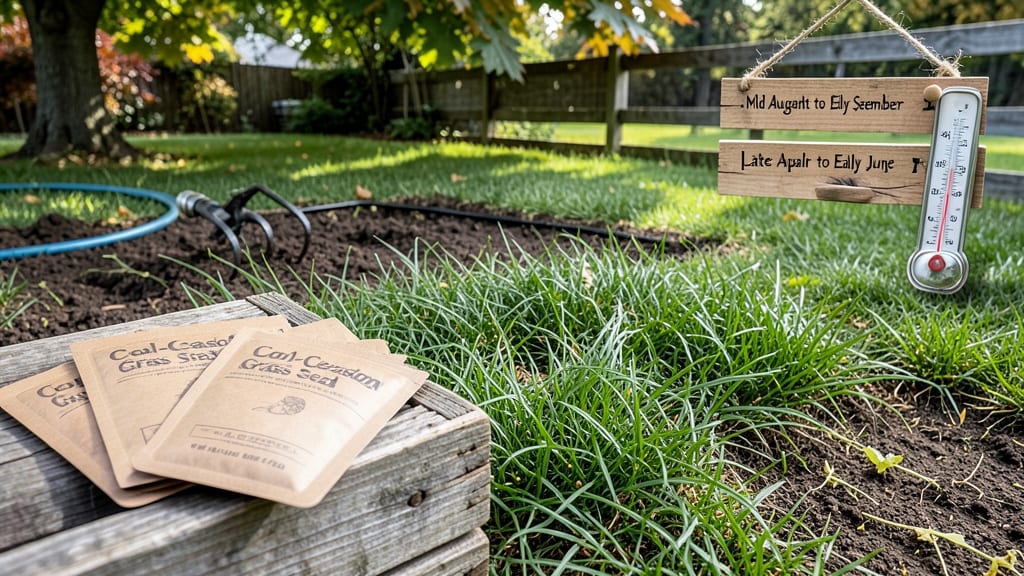
Minnesota’s last grass seed planting deadline before frost strikes
Minnesota’s cool-season climate means your grass seed has a tight window to establish before winter sets in. The ideal planting deadline is 4-6 weeks before the first hard frost, which typically falls between mid-September and early October across most of the state.
Northern regions like USDA Zone 3b (e.g., Duluth) may need to plant by early September, while southern areas like Zone 5a (e.g., Rochester) can push it to mid-October.
For cool-season grasses like Kentucky bluegrass and tall fescue—the best choices for Minnesota—the soil temperature must stay above 50°F (10°C) for at least 4-6 weeks after planting. If temperatures drop below this, germination slows or stops entirely, leaving you with a brown, frost-killed lawn by November.
To check your local deadline, use the National Weather Service’s frost prediction maps or your USDA Plant Hardiness Zone. For example, Minneapolis (Zone 4b) usually sees its first hard frost around October 15, so aim to plant by early September.
Meanwhile, St. Paul (Zone 4a) might have until mid-September.
Here’s the critical rule of thumb: If your average nighttime temperature drops below 40°F (4°C) consistently, it’s time to cover new seed with frost blankets or reconsider your timing. Warm-season grasses like Bermuda grass won’t survive Minnesota winters, so they’re a no-go for fall planting.
| Region | USDA Zone | Last Planting Window | Soil Temp Threshold | First Hard Frost |
|---|---|---|---|---|
| Northern MN (Duluth) | 3b | Early September | 50°F (10°C) | September 20 |
| Twin Cities (Minneapolis/St. Paul) | 4a/4b | Mid-September | 50°F (10°C) | October 15 |
| Southern MN (Rochester) | 5a | Mid-October | 50°F (10°C) | October 25 |
| Western MN (Fargo) | 4a | Late August | 50°F (10°C) | September 25 |
🌡️ Note: Use a soil thermometer to confirm temperatures—surface temps can be misleading!
If you’re planting cool-season grass seed near the deadline, prioritize fast-germinating varieties like perennial ryegrass, which can sprout in as few as 7-10 days under ideal conditions. Pair this with a light mulch (like straw) to retain heat and moisture, giving seedlings a fighting chance against early frosts.
For slow-germinating grasses like fine fescue, which
5 Critical signs it’s Actually Too Late to Plant Grass Seed in Fall
Fall planting in Minnesota can be tricky—one late frost or a sudden temperature drop can turn your fresh grass seed into a frozen disappointment. But how do you know if it’s truly too late?
These 5 red flags will help you assess your lawn’s chances before committing to a late-season project.
First, check your soil temperature. Grass seed struggles to germinate when soil dips below 50°F (10°C). Use a soil thermometer to test—if it’s cooler, your seeds may never sprout. Northern Minnesota’s Zone 3b regions hit this threshold faster than southern areas like Zone 5a, so timing matters.
Next, monitor frost predictions. The National Weather Service’s first hard frost maps are your best friend. If your area expects frost within 2-3 weeks, newly planted grass won’t have time to establish roots before winter. Check the 10-day forecast and plan accordingly.
Watch for seed germination delays. If you’ve planted and see no sprouts after 21 days, the window may have closed. Cool-season grasses like Kentucky bluegrass or fescue can germinate slowly in fall, but if the ground stays cold, they’ll stall entirely.
Late Planting Warning
If your soil is below 50°F and frost is within 2 weeks, your grass seed has less than 50% chance of surviving. Consider alternatives like sod or spring planting prep instead.
Another clue? Seedling health after planting. If young grass blades turn yellow or brown within days, the cold is already stressing them. This is your lawn’s way of saying, “It’s too late—save me for spring!” Even with frost blankets, weak seedlings won’t recover.
Finally, listen to your local gardeners. Minnesota’s microclimates vary wildly—what works in Duluth (Zone 3b) may fail in Rochester (Zone 5a). Ask neighbors or check University of Minnesota Extension resources for hyper-local advice. Their insights could save you time and money.
When in doubt, err on the side of caution. If three or more of these signs appear, it’s time to pause planting and focus on soil prep for spring. Your lawn will thank you come summer! 🌱