
Trees
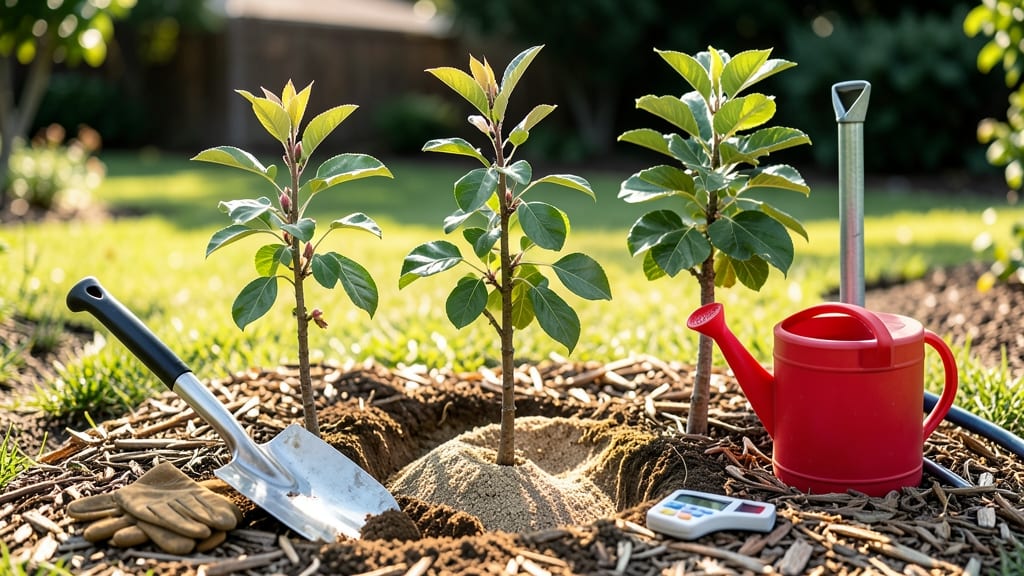
If you’ve ever planted a fruit tree in Texas and watched it struggle through scorching summers or freeze-sensitive winters, you know timing is everything.
The best time to plant fruit trees in Texas isn’t just about following a calendar—it’s about reading your region’s unique climate cues, from the last frost in North Texas to the mild winters of the Rio Grande Valley.
I’ve seen firsthand how a fruit tree planted in the wrong season can take years to recover—or worse, never thrive. Whether you’re in the Panhandle or the Hill Country, the key is planting when the soil is warm enough for strong root growth but before the summer heat sets in.
Let me show you the exact windows for each Texas zone and how to prep your soil for success.
From citrus groves in the South to peach orchards in Central Texas, every variety has its ideal planting month. We’ll break down the science behind why late winter or early spring works best for most trees—and when fall planting might be your secret weapon.
Ready to set your fruit trees up for a lifetime of harvests?
You’ll also discover how to avoid common mistakes, like planting too early when cold snaps can damage young roots or waiting too long when summer drought stress kicks in.
By the end, you’ll have a clear, zone-specific roadmap to planting fruit trees that grow strong, bear fruit faster, and outlast Texas’ toughest weather.
Texas planting Zones & ideal months for fruit tree success
Texas spans 11 USDA hardiness zones, from Zone 6a in the Panhandle to Zone 10a in the Rio Grande Valley. Each zone has unique frost risks and soil conditions that directly impact when you should plant fruit trees.
For example, citrus trees thrive in Zones 8-10 but will freeze in Zone 7 without protection.
The optimal planting window for most fruit trees in Texas is during the dormant season—either late fall (November) or early spring (February-March).
This timing allows roots to establish before summer heat or winter frost stresses young trees. Peach and apple trees, for instance, need chilling hours during winter to fruit properly.
Southern Texas (Zones 9-10) can plant year-round, but avoid summer months (June-August) when soil temperatures exceed 90°F, causing root burn. Meanwhile, North Texas (Zones 7-8) must plant before the first frost, typically by December 1, or wait until February when soil warms.
🌱
| Zone | Ideal Planting Months | Soil Temp Goal (°F) | Key Considerations |
|---|---|---|---|
| 6a-7a (Panhandle) | November–February | 45–55°F | Frost risk; use windbreaks and mulch heavily. |
| 7b-8a (North/Central) | November–March | 50–60°F | Peaches/apples need 600+ chilling hours; avoid summer planting. |
| 8b-9a (East/Central) | November–April | 55–65°F | Fig/pecan trees prefer warm soil; plant after last frost. |
| 9b-10a (South Texas) | Year-round (avoid June–August) | 60–70°F | Citrus/avocado need well-draining soil; mulch to retain moisture. |
🌡️ Pro Tip: Use a soil thermometer to confirm ideal planting temps before digging.
For North Texas (Zones 7-8), I recommend planting peach and apple trees in late February when soil temperatures reach 50°F. These trees benefit from winter chilling but need time to establish roots before summer’s 100°F+ heat.
In contrast, South Texas (Zones 9-10) can plant citrus or fig trees in September to avoid summer’s extreme heat.
Always amend soil with compost or aged manure before planting, as Texas soils often lack organic matter. For sandy soils (common in West Texas), mix in peat moss to retain moisture, while clay-heavy soils (East Texas) benefit from gypsum to improve drainage.
A pH test (6.0–7.0) is critical—many fruit trees struggle in acidic soil.
If you’re planting bare-root trees, do so immediately after purchase to prevent root desiccation. For container-grown trees, the best time is early spring, as they establish faster in warm soil. Root-prune container trees 2–3 weeks before transplanting to reduce shock.
One common misconception is that spring planting is always best.
While true for Zones 8+, Northern Texas gardeners often get better results planting in fall (November) because cooler temps reduce transplant shock. Ever-bearing fruit trees, like figs or pomegranates, can even handle fall planting in Zones 9-10.
Remember: Texas’ unpredictable weather means monitoring frost dates and heat advisories is key. Use the Texas A&M AgriLife Extension frost map to track your local risks. For example, Dallas (Zone 8a) averages 20°F lows in January—plant peach trees by December 15
5 Critical factors that determine your planting timeline
Planting fruit trees in Texas isn’t just about picking a month—it’s about understanding 5 key factors that make or break your tree’s success. From soil temperature to rainfall patterns, each element shifts the ideal planting window for your specific location.
Let’s break down what truly matters for root growth and long-term health.
First, soil temperature is non-negotiable. Most fruit trees need soil that’s at least 60°F (15°C) for roots to establish properly.
In North Texas (Zones 7-8), this typically means waiting until mid-March to April, while South Texas (Zones 9-11) can plant as early as February—but only if the ground isn’t waterlogged. A soil thermometer is your best friend here.
Next, rainfall patterns can make or break your timing. In West Texas (Zones 7-8), the monsoon season (June–September) brings sudden downpours that can drown young roots. Planting in late winter (Feb-March) lets you control watering before the rains hit.
Meanwhile, East Texas (Zones 8-9) benefits from fall planting (Sept-Oct) to take advantage of winter rains.
Your fruit tree variety also dictates the best time. Citrus trees (like oranges or grapefruits) prefer fall planting (September–October) to establish roots before winter dormancy. Peaches and plums, however, need dormant-season planting (November–January) to avoid summer heat stress.
Even figs thrive when planted in late winter (Feb-March) for early spring growth.
Don’t overlook last frost dates, which vary wildly across Texas. In North Texas (Zone 7), the average last frost is March 15, so planting after this date minimizes frost damage.
But in South Texas (Zone 10), frost is rare, so you can plant year-round—though fall remains ideal. Always check your local USDA zone and adjust for microclimates (e.g., hilltops freeze faster than valleys).
Finally, local heat waves can sabotage even the best-laid plans. Planting in summer (May–August) risks root burn from scorching soil. If you must plant early in East Texas (where springs heat up fast), use shade cloth and mulch heavily to protect roots.
Pro tip: Container-grown trees adapt better to heat than bare-root stock.
By aligning these 5 factors with your Texas zone, you’ll plant fruit trees at the exact moment they’ll thrive—no guesswork. Next, we’ll tackle common mistakes Texas gardeners make (and how to sidestep them!). 🌱