
Plants
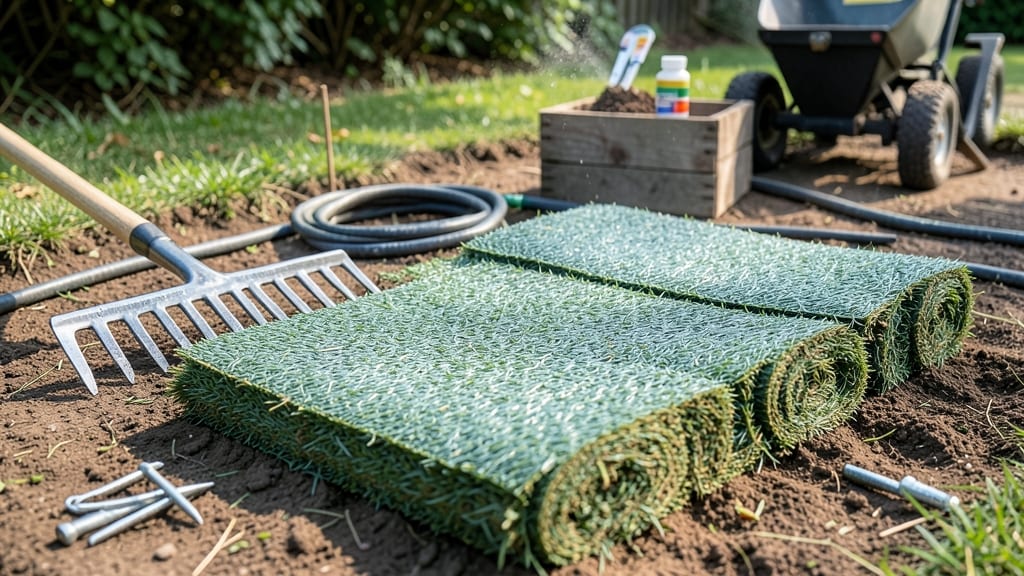
If you’ve ever wondered when is the best time to plant sod in Texas, only to watch it struggle under the scorching sun or unpredictable weather, you're not alone.
The secret to a thriving lawn lies in timing—getting it right means the difference between lush, green grass and a sad, patchy disappointment.
Texas's diverse climate—from North Texas's cooler springs to the Gulf Coast's humid summers—means there's no one-size-fits-all answer. But here's the good news: with the right approach, you can plant 🌱 sod year-round and still achieve fast, resilient root growth.
I'll break down the best months for each region, plus soil prep and watering tips tailored to Texas's extremes.
Why does timing matter so much? Because sod needs consistent moisture and moderate temperatures to establish roots—something that's nearly impossible during the brutal summer heat. By choosing the right window, you'll skip the guesswork and set your lawn up for long-term success.
Let's dive into the optimal planting schedule for your Texas microclimate, so you can enjoy that perfect, green carpet without the stress.
Texas sod planting calendar by region: optimal months for fast root establishment
Texas’ diverse climate means your sod’s success depends entirely on when you plant. In North Texas, cooler springs and falls create perfect conditions, while Gulf Coast humidity demands earlier planting. Let’s break down the ideal windows for each region to ensure your sod takes root quickly and thrives.
For North Texas (Dallas, Fort Worth), aim for March through early May or September through October.
These months offer soil temperatures between 60°F–75°F, which is critical for root establishment. Central Texas (Austin, San Antonio) has a slightly longer window—February through April and September through November—thanks to milder winters.
The Gulf Coast (Houston, Beaumont) is trickier due to high humidity and summer heat. Plant January through March or September through October to avoid stressing the sod.
Meanwhile, West Texas (El Paso, Lubbock) can plant late March through May or September through early November, leveraging cooler nights and lower rainfall.
Here’s a quick reference for soil temperature thresholds—the golden rule for sod success. If soil temps drop below 50°F or rise above 85°F, root growth slows dramatically, increasing failure risk.
| Region | Best Planting Window | Soil Temp Range (°F) | Rainfall Pattern | Key Consideration |
|---|---|---|---|---|
| North Texas | March–May, Sept–Oct | 60°F–75°F | Moderate spring rains | Avoid summer heatwaves |
| Central Texas | Feb–Apr, Sept–Nov | 65°F–78°F | Unpredictable summer storms | Watch for fungal risks in humidity |
| Gulf Coast | Jan–Mar, Sept–Oct | 68°F–80°F | High humidity year-round | Early planting prevents heat stress |
| West Texas | Late Mar–May, Sept–Nov | 55°F–72°F | Low rainfall, drought-prone | Irrigation critical for establishment |
Timing isn’t just about months—it’s about avoiding extreme conditions. For example, planting in June or July in East Texas can bake sod roots, while December plantings in North Texas risk frost damage. Always check your local USDA Zone (8a–10b) and average last frost date for precision.
Pro tip: Use a soil thermometer to confirm temps before planting. Aim for 60°F–75°F at a 4-inch depth. If temps are outside this range, wait—your sod will thank you with faster root growth and longer lifespan.
Regional differences also mean grass variety matters. Bermuda grass thrives in South Texas heat, while Tall Fescue handles North Texas winters better. Choose sod tailored to your microclimate for optimal resilience.
Finally, avoid planting during drought alerts. Texas’ erratic rainfall means checking weekly weather forecasts is non-negotiable. A 1-inch watering schedule post-planting is essential, but overwatering in humidity can suffocate roots.
By aligning your planting with these region-specific windows, you’ll skip the guesswork and enjoy a lush, established lawn in 2–3 weeks—not months. Ready to dive deeper? Let’s tackle soil prep and watering next to lock in that perfect start.
Critical factors that determine sod success in Texas heat: soil prep, watering, and variety selection
Texas heat and drought can turn your sod project into a disaster if you don’t prepare properly. The key to success lies in three critical factors: soil preparation, watering schedules, and choosing the right sod variety for your region.
Skipping any of these steps often leads to slow root growth, brown patches, or complete failure—especially in 100°F+ temperatures common across the state.
First, let’s tackle soil preparation, which is the foundation of healthy sod. Texas soils often suffer from compaction and poor drainage, both of which strangle new roots. Start by testing your soil’s pH—ideal levels for sod are between 6.0 and 7.0.
If your soil is too acidic or alkaline, amend it with lime (to raise pH) or sulfur (to lower pH) at least 4-6 weeks before planting. This gives the amendments time to work.
🌱 Key Takeaway: Texas Sod Success Factors
Test pH, loosen soil, add compost
Deep soak daily for 2 weeks, then 2-3x/week
Bermuda (heat), St. Augustine (humidity), Buffalo (drought)
Next, watering is non-negotiable in Texas. New sod has shallow roots initially and needs consistent moisture to establish. For the first 2 weeks, water daily—early in the morning (between 4-8 AM) to minimize evaporation and fungal risks.
Aim for 1 inch of water per week, delivered in deep soakings rather than light sprinkles.
After the initial phase, reduce to 2-3 times per week, but always check the top inch of soil—if it’s dry, water again. Evening watering is a big mistake in humid areas like Houston, as it promotes fungal diseases like brown patch.
Finally, variety selection makes all the difference in Texas’ diverse climates. Bermuda grass dominates in North and West Texas due to its heat and drought tolerance, while St. Augustine thrives in the Gulf Coast’s humidity.
For Central Texas, Buffalo grass or Zoysia are excellent choices—they handle foot traffic and drought better than many alternatives. Always ask your sod supplier about localized varieties—some blends are engineered specifically for Texas’ USDA Zones 8a-10b.
One common oversight is ignoring soil temperature. Sod roots best when soil temps are between 60°F and 75°F. In North Texas, this means planting in March-April; in South Texas, February-March is ideal.
If you plant when soil temps exceed 85°F, roots struggle to establish, leading to thin, patchy lawns. Use a soil thermometer to check—it’s a small investment that saves big headaches.
Remember, consistency is your best friend when planting sod in Texas. Combine proper soil prep, diligent watering, and the right grass variety, and you’ll have a lawn that’s lush, green, and resilient—even through Texas’ harshest summers.
The first year is critical, so don’t cut corners on care. Your sod’s long-term success starts with these foundational steps. 🌿