
Lawn
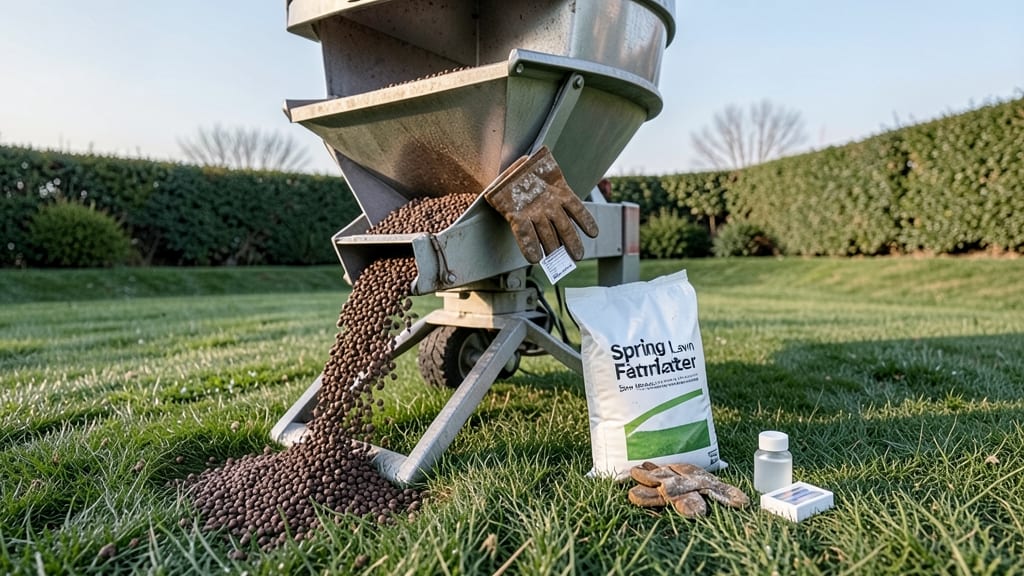
Seasonal fertilization timeline: best months for each grass type
Fertilizing your lawn at the wrong time can waste money, harm your grass, and even attract pests. The key is understanding your grass type and climate zone—cool-season grasses (like Kentucky bluegrass) thrive in spring/fall, while warm-season grasses (like Bermuda) need summer feeding.
Let’s break down the optimal fertilization windows to keep your lawn lush year-round.
Most lawns benefit from 3–4 feedings per year, timed with active growth periods. For cool-season grasses, focus on early spring (March–April) and early fall (September–October). Warm-season grasses, however, should be fed in late spring (May–June) and summer (July–August).
Regional adjustments are critical—northern climates may shift timing by 4–6 weeks compared to southern zones.
For cool-season grasses, the early spring feeding (March–April) jumpstarts growth after winter dormancy. This is when grass is most active—applying a high-nitrogen fertilizer (e.g., 30-0-4) encourages rapid recovery.
In early fall (September–October), switch to a balanced or potassium-rich fertilizer (e.g., 10-10-20) to strengthen roots before winter. This two-step approach ensures your lawn stays green and resilient.
Warm-season grasses, like Bermuda or Zoysia, follow a different rhythm. They go dormant in winter but wake up aggressively in late spring. Fertilize in May–June with a slow-release, high-nitrogen formula to support summer growth.
A second feeding in July–August helps maintain color and density during hot months. Avoid fertilizing in extreme heat (above 90°F), as it can cause fertilizer burn.
If you’re in a transition zone (e.g., Kansas, Oklahoma), your lawn may include both grass types. In this case, split your schedule: fertilize cool-season grasses in spring/fall and warm-season grasses in late spring/summer.
Use a soil test to confirm nutrient needs—over-fertilizing can lead to thatch buildup or algae growth.
Timing isn’t just about months—it’s also about weather conditions. Wait until the soil is at least 55°F before fertilizing in spring, and avoid applying fertilizer within 48 hours of rain or heavy watering.
This ensures nutrients are absorbed, not washed away. For newly seeded lawns, hold off on fertilization until the grass is 3–4 inches tall.
Pro tip: Mark your fertilization calendar with local frost dates. In northern climates, aim to fertilize 6–8 weeks before the first frost in fall. In southern climates, you might extend summer feedings into early September. Always check the back of your fertilizer bag for region-specific recommendations.
One common mistake is fertilizing in winter. Grass is dormant and won’t absorb nutrients, wasting your money and potentially harming the soil. Instead, focus on aeration and overseeding in late fall to prep for spring.
By aligning your fertilization schedule with your grass’s natural growth cycles, you’ll see thicker, greener results with less effort.
🌱
Signs your lawn needs fertilizer (and when to skip it)
Your lawn whispers clues about its nutrient needs—you just have to listen. Yellowing patches, thinning grass, or slow recovery after mowing are classic signs your lawn craves fertilization. But before reaching for that bag of fertilizer, check for overwatering or disease, which can mimic nutrient deficiencies.
A simple soil test (available at garden centers for ~$20) reveals pH and nutrient levels, helping you decide if fertilization is truly needed.
Over-fertilizing is just as harmful as under-fertilizing. Look for burnt grass, algae blooms, or excessive leaf growth (with weak stems) as red flags. These symptoms often appear after applying fertilizer in hot, dry weather or when using too-high nitrogen levels. If your lawn feels soggy after watering or has mushrooms popping up, it’s a sign of over-fertilization or poor drainage—skip the fertilizer and address the root cause first.
Timing matters more than you think. Even if your calendar says it’s time to fertilize, skip it if: - Heavy rain is forecasted (nutrients will wash away). - Grass is dormant (winter in cool climates, summer in warm climates). - Soil is waterlogged (roots can’t absorb nutrients effectively).
A quick tug test—pulling up a small patch of grass—reveals if roots are weak or sparse, another sign your lawn needs nutrients now.
🌱 Pro Tip: If your lawn is thin but green, it might need seed or aeration instead of fertilizer. Focus on fixing soil compaction or shade issues first—fertilizer won’t help if the underlying problem isn’t addressed.
Environmental factors like recent rainfall or cool temperatures can delay fertilization. If you’ve applied fertilizer in the past 6–8 weeks, hold off—your lawn might still have leftover nutrients. Slow-release fertilizers (like coated urea) are ideal for busy homeowners, as they feed grass gradually over 3–6 months, reducing the risk of over-application.
Pay attention to local weather patterns. In drought-prone areas, fertilizing during summer heat can stress grass. Instead, wait for cooler months (early fall or spring) when grass can absorb nutrients efficiently.
If you’re unsure, split your fertilizer into smaller doses—better to under-fertilize slightly than risk burning your lawn.
💡 Remember: A healthy lawn isn’t just about fertilization—it’s about consistent care. Combine fertilization with proper mowing height (3–4 inches for most grasses), regular watering, and seasonal aeration for a vibrant, resilient lawn year-round.