
Fertilization
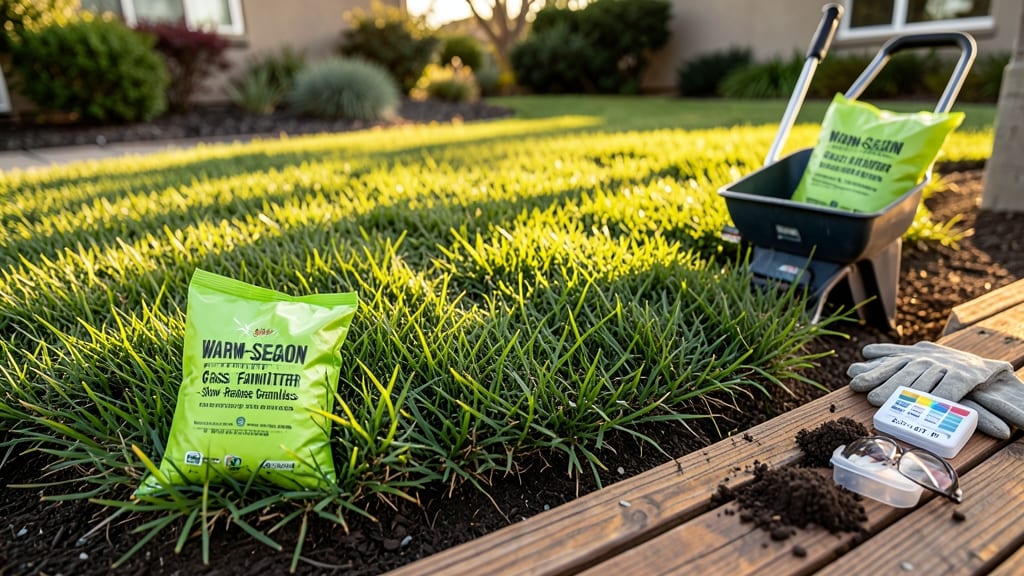
If you're wondering when should I fertilize my lawn in Houston, Texas, your brown patches might be the answer—you’re likely feeding at the wrong time.
The key to a lush, year-round lawn in 9a starts with understanding Houston’s subtropical climate, where summer heat and winter humidity demand a precise fertilization schedule. Unlike cooler regions, your 🌱 lawn grass thrives on timing that avoids scorching in July or wasted nutrients in December.
Most homeowners make one critical mistake: they fertilize too late in spring or too early in fall, leaving their grass vulnerable to stress. But with the right approach—like applying a high-nitrogen feed in March and a winterizing boost in October—you can transform your yard into the greenest block in Houston.
I’ll break down the exact months to fertilize, which products work best for your grass type, and how to adjust for Houston’s unpredictable rain patterns.
Let’s start with the most important rule: never fertilize during peak summer heat. Instead, we’ll focus on strategic feedings that strengthen roots, suppress weeds, and keep your lawn vibrant without harming the environment.
By the end, you’ll know exactly when to reach for the spreader—and when to put it away for months.
Ready to ditch the guesswork? Here’s your step-by-step guide to fertilizing your Houston lawn at the perfect times—no more wasted money or struggling grass. Let’s get started.

Houston’s lawn fertilization timeline: best months for each season
Houston’s subtropical climate demands a custom fertilization schedule to keep your lawn thriving year-round. Unlike northern climates, our warm winters and long growing season mean grass stays active almost 12 months—so timing is everything.
The key? Feeding in spring for rapid growth, light maintenance in summer to avoid burn, and strengthening roots in fall for winter resilience.
Your grass type matters too—St. Augustine loves spring feedings, while Bermuda thrives with summer applications. Coastal Houston areas may need earlier spring fertilizing due to warmer soils, while inland zones can wait until mid-March. Let’s break it down by month so you never miss a critical window.
For coastal Houston (near Galveston), shift your spring feedings 2-3 weeks earlier—soil warms faster there. Inland areas can follow this schedule closely, but always test your soil first (pH 6.0-7.0 is ideal for most Texas grasses). Pro tip: Water deeply 24 hours before and after fertilizing to maximize absorption.
Did you know? Fall fertilization accounts for 40% of your lawn’s winter survival. The September-October feedings help roots grow deeper, so your grass stays green longer—even during Houston’s rare cold snaps. Think of it as giving your lawn a winter coat.
If you’re overseeding with ryegrass in fall, time your last fertilizer application 4-6 weeks before the first frost (usually mid-November). This gives new seedlings enough nutrients to establish before winter sets in. For warm-season grasses like Bermuda, skip winter feedings entirely—they’ll just burn.
One common mistake Houston homeowners make? Over-fertilizing in summer. When temps hit 95°F+, grass stops absorbing nutrients efficiently. That’s why we recommend light feedings only in June, then switching to organic options in July-August to avoid salt burn.
Always check the back of your fertilizer bag for Houston-specific recommendations.
For newly installed lawns, wait 6-8 weeks before fertilizing—let the grass establish roots first. Then follow the spring-fall schedule, but cut feedings in half (0.25 lb/100 sqft) until the first year is complete. Patience pays off with thicker, healthier grass that resists Houston’s pests and diseases.
Remember: Less is more in Houston’s heat. Your lawn doesn’t need monthly feedings—just strategic applications at the right times. Stick to this schedule, and you’ll have the greenest lawn on the block by next Memorial Day.
How Houston’s heat and humidity affect fertilizer absorption (and what to do about it)
Houston’s subtropical climate throws a wrench into traditional lawn care—your grass isn’t just fighting weeds, it’s battling 100°F heat, 90% humidity, and sudden downpours. These conditions drastically alter how your lawn absorbs fertilizer, often leading to wasted money and stressed grass.
The key? Adjusting your approach based on seasonal shifts and soil moisture to ensure nutrients actually reach the roots.
During summer months, Houston’s intense heat causes fertilizer to burn grass faster than in cooler climates. The high temperatures speed up microbial activity in the soil, which can deplete nitrogen before your grass has a chance to use it.
Meanwhile, heavy rainfall washes away nutrients before they’re absorbed, making your fertilizer application nearly useless if not timed correctly. Even in fall, Houston’s humid air can trap moisture near the soil surface, creating conditions ripe for fungal growth if you fertilize at the wrong time.
🌱 Here’s the science: Fertilizer absorption peaks when soil temperatures are between 65°F and 85°F. In Houston, this window opens in late February and closes in early November. Outside these months, your lawn’s roots slow down or go dormant, making fertilization ineffective—or even harmful.
For example, applying a high-nitrogen fertilizer in July when temps hit 95°F+ can scorch your grass within days, while the same product in October (when temps dip to 75°F) will feed roots for weeks.
⚠️ Houston Fertilizer Pitfalls
- Overwatering after fertilizing dilutes nutrients and causes runoff, wasting your investment.
- Using quick-release fertilizer in summer leads to rapid nutrient burn due to heat stress.
- Ignoring soil pH—Houston’s clay-heavy soil often has a pH of 6.5-7.5, but grass thrives at 6.0-6.5. Adjust with sulfur or lime before fertilizing.
- Fertilizing before rain washes away nutrients before roots can absorb them.
To combat these challenges, slow-release fertilizers are your best bet in Houston. Products with polymer-coated granules (like Scotts Turf Builder or Anderman’s) release nutrients gradually, matching your grass’s uptake rate even in extreme heat.
For organic options, composted manure or fish emulsion break down slowly, providing steady nourishment without the risk of burn. Always pair fertilization with deep watering—apply 1-1.5 inches of water within 24 hours to help nutrients penetrate the soil.
Timing is everything: Avoid fertilizing during peak heat (11 AM–4 PM) or right before storms. Instead, schedule applications for early mornings (before 8 AM) when temperatures are cooler and dew is present, which helps nutrients stick to grass blades.
For St. Augustine or Bermuda grass, aim for every 6-8 weeks in spring/fall, but reduce frequency in summer to every 8-10 weeks to prevent stress.
💧 Pro Tip: Test your soil every 2-3 years—Houston’s clay soil can become compacted, reducing nutrient uptake. Use a soil probe (available at local nurseries) to check moisture levels before fertilizing.
If the soil feels dry 2 inches down, water first; if it’s soggy, wait until it dries slightly to avoid leaching. By aligning your fertilization schedule with Houston’s microclimates and seasonal shifts, you’ll give your lawn the precise nutrition it needs to thrive year-round.