
Fertilization
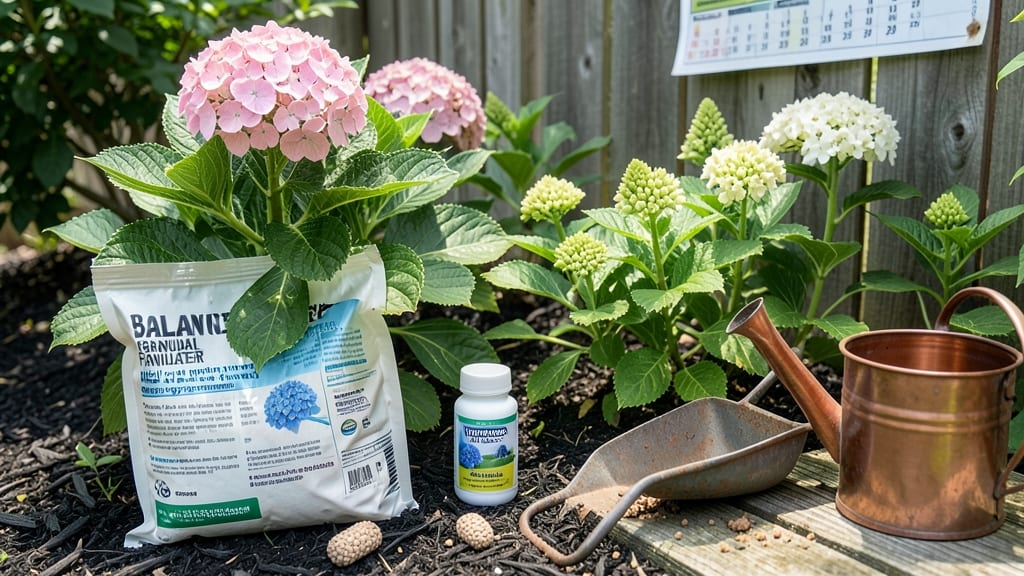
Best time to fertilize hydrangeas for maximum blooms: spring vs fall breakdown
Hydrangeas thrive when fed at the right time—not when you think. Most gardeners overlook fall fertilization, which is crucial for root development, while others over-feed in summer, burning delicate roots. The key?
A two-season schedule: spring for blooms and fall for strength. Let’s break down the science behind timing, including how your USDA zone and hydrangea type (mophead vs. lacecap) change the game.
Timing your fertilizer isn’t just about throwing down granules—it’s about matching nutrient delivery to growth phases. Hydrangeas grow in three critical windows: early spring (new shoots), mid-summer (bloom production), and early fall (root hardening).
Miss these, and you’ll end up with smaller flowers or leggy stems. For example, mophead hydrangeas (like 'Endless Summer') need more frequent feeding than lacecap varieties, which prioritize foliage over blooms.
🌸 Pro Tip: Always fertilize in the evening to avoid leaf burn from midday sun. Water deeply before and after applying fertilizer to protect roots. If your soil is sandy or fast-draining, use a slow-release granular—it won’t wash away like liquid fertilizers.
Your hydrangea’s bloom color (blue, pink, or purple) also hints at its soil pH needs, which ties into fertilization. For example, blue blooms thrive in acidic soil (pH 5.0–5.5), so use an acid-loving fertilizer like cottonseed meal in spring.
Meanwhile, pink blooms prefer neutral pH (6.0–7.0)—here, a balanced fertilizer works best. Always test your soil in early spring to adjust pH before feeding.
Potted hydrangeas need a different approach than in-ground plants. Since their roots are confined, they leach nutrients faster and dry out quicker. Use a water-soluble fertilizer every 4 weeks during growing season, but halve the dose compared to in-ground plants.
Pro tip: Flush the pot with water monthly to prevent salt buildup from fertilizers.
🌿 Myth Buster: "More fertilizer = bigger blooms." Wrong! Over-fertilizing leads to leafy growth at the expense of flowers or root burn. Stick to the 1 tbsp per plant rule for granular fertilizers, and never feed after mid-summer—this encourages tender new growth that won’t survive frost.
For lacecap hydrangeas, reduce nitrogen in summer to avoid leafy monsters with few blooms.
Climate plays a huge role. In hot, humid zones (8–10), hydrangeas grow year-round, so you can extend feeding into early fall. But in cold zones (3–5), stop fertilizing by mid-August to let roots harden before winter.
If you’re in a transition zone (6–7), aim for three feedings: early spring, late spring, and early fall.
💡 Quick Fix: If your hydrangeas flopped last year, blame poor timing. This year, start with a soil test, then feed once in early spring (balanced fertilizer), once in late spring (low-nitrogen), and once in early fall (organic).
Prune dead blooms in late winter to redirect energy to new growth—and watch your flowers double in size!
Remember: Hydrangeas are hungry but sensitive. Think of fertilization like training for a marathon—consistent, moderate effort yields the best results. Skip the winter feedings, and your plants will thank you with bigger, bolder blooms next season. 🌸
Best time to fertilize hydrangeas for maximum blooms: spring vs fall breakdown
Hydrangeas thrive on a precise fertilization schedule, and timing directly impacts those show-stopping blooms. Most gardeners make one critical mistake: fertilizing too late in the season, which sends energy to new growth instead of root development.
The key is feeding when your plant is actively growing—not when it’s preparing for dormancy.
For mophead hydrangeas (like 'Endless Summer'), focus on two main feeding windows: early spring and mid-summer. Lacecap varieties follow the same rule but may need a lighter touch in summer to avoid leggy stems.
Understanding these windows ensures your hydrangeas put energy into next year’s buds rather than wasted foliage.
In USDA Zones 5-6, I always wait until after the last frost date to fertilize in spring—typically mid-May. This timing aligns with when hydrangeas break dormancy and begin pushing new shoots.
For potted hydrangeas, follow the same schedule but reduce fertilizer by 50% since roots are confined and absorb nutrients faster.
One pro tip: If your hydrangeas bloom on old wood (like 'Annabelle'), skip summer feeding entirely. These varieties need all their energy directed to root development during summer months to produce next year’s flowers.
Use a soil test kit ($15 at garden centers) to check pH—hydrangeas prefer 5.0-5.5 for blue blooms or 6.0+ for pink.
For container-grown hydrangeas, I switch to a liquid fertilizer every 4 weeks during growing season. The roots can’t spread like in-ground plants, so they need more frequent, diluted nutrients. Always water thoroughly before and after applying fertilizer to prevent root burn—a common mistake that kills blooms.
Remember: Hydrangeas are heavy feeders but hate over-fertilization. If you notice yellow leaves or stunted growth after feeding, flush the soil with water immediately. The goal is balanced growth, not rapid expansion that sacrifices flower quality.