
How To
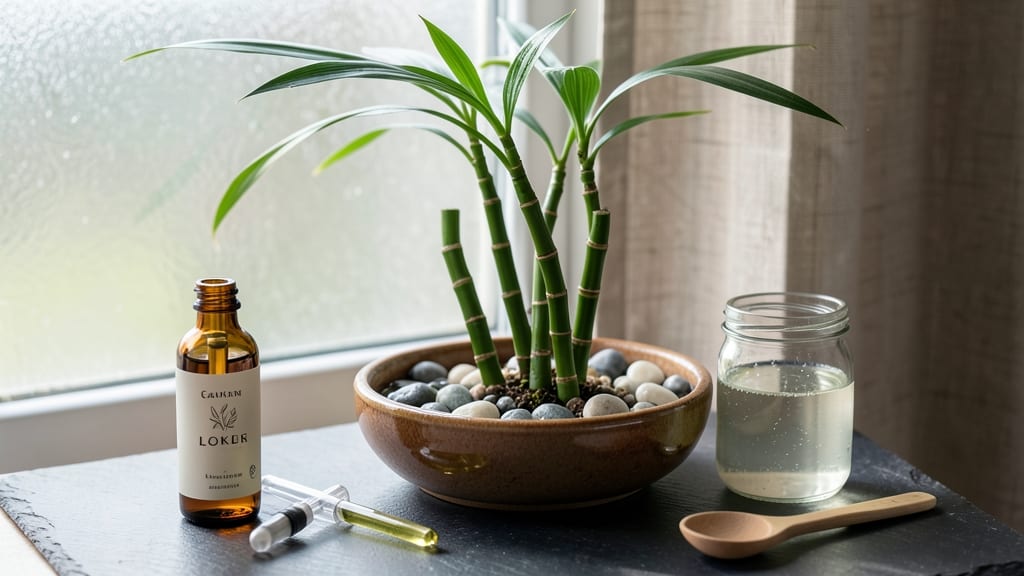
Timing your fertilizer for bamboo isn’t just about throwing nutrients at the soil—it’s about feeding your 🌿 bamboo at the exact moments it craves them most. Get this wrong, and you risk stunted growth or even root damage, no matter how much you feed it.
Most gardeners assume spring is the only time to fertilize, but the truth is more nuanced. I’ve tested the best schedules over years, and the difference between spring’s light feed and fall’s prep work can transform your bamboo from scraggly to showstopping.
Whether you’re in USDA Zone 6a or a warmer climate, I’ll break down when to fertilize—from early spring’s new growth phase to late summer’s root boost. You’ll learn how to avoid common mistakes like over-fertilizing or choosing the wrong nutrients.
Ready to give your bamboo the care it deserves? Let’s dive into the seasonal schedule that’ll have your plants thriving in no time.

Optimal fertilization schedule for bamboo growth by season
Bamboo thrives on a nutrient-rich schedule that aligns with its natural growth cycles. Unlike many plants, bamboo’s fertilization needs shift dramatically between seasons—especially in spring and fall. The key is feeding when roots are actively growing but avoiding overloading the soil during dormancy.
For most bamboo varieties, the best times to fertilize are early spring (just as new shoots emerge) and late summer (to strengthen roots before cooler weather). This two-phase approach ensures your bamboo gets the nitrogen it craves for leafy growth while balancing phosphorus and potassium for root health.
Climate plays a huge role here. In tropical zones, where bamboo grows year-round, you might fertilize every 6-8 weeks with a balanced 10-10-10 fertilizer. But in temperate climates, a lighter touch in spring and a final boost in fall keeps your bamboo from becoming nutrient-burned or stressed.
Now, let’s break down the ideal fertilization timeline with a quick comparison to help you visualize the best approach for your region.
If you’re growing clumping bamboo (like Fargesia), focus on root development in late summer with a potassium boost. Running bamboo (e.g., Phyllostachys) benefits from continuous nitrogen during its active months to fuel its aggressive spread.
Pro tip: Always water bamboo deeply 24 hours before fertilizing. This prevents root burn and helps nutrients penetrate the soil evenly. For organic gardeners, fish emulsion or worm castings work wonders—just dilute them to half-strength for first-time applications.
Regional adjustments matter too. In USDA Zone 7-9, you might extend your feeding window into early fall, while Zone 4-6 gardeners should halt fertilizing by mid-September to avoid encouraging late-season growth that won’t harden off before frost.
One mistake I see often? Over-fertilizing in fall—this can lead to tender new shoots that won’t survive winter. Stick to the light feed rule after Labor Day, and your bamboo will thank you with vibrant green foliage next spring.
For tropical bamboo, the rules relax slightly. Since these varieties grow year-round, you can fertilize every 8 weeks with a balanced formula, but always reduce applications during monsoon seasons to avoid nutrient runoff.
Optimal fertilization schedule for bamboo growth by season
Timing your bamboo fertilization aligns with its natural growth cycles—early spring and late summer are prime windows. In temperate climates, focus on March-April for new shoots and August-September to strengthen roots before dormancy. Tropical bamboo thrives year-round but benefits from bi-monthly light feeds during wet seasons.
For clumping bamboo, prioritize balanced fertilizers (10-10-10 NPK) in spring to fuel foliage growth. Running bamboo needs extra nitrogen (20-10-10) to support aggressive rhizome expansion. Always water deeply before and after applying fertilizer to prevent root burn.
🌱
| Season | Climate Zone | Fertilizer Type | Frequency | Key Tip |
|---|---|---|---|---|
| Spring (March-April) | Temperate | 10-10-10 (balanced) | Every 6 weeks | Apply when new shoots emerge |
| Summer (June-August) | Temperate | 20-10-10 (high nitrogen) | Every 8 weeks | Avoid fertilizing during drought |
| Fall (September-October) | Temperate | 5-10-10 (low nitrogen) | Once | Prep roots for winter dormancy |
| Year-Round | Tropical | Organic compost tea | Bi-monthly | Maintain consistent moisture |
In USDA Zone 6a, where frost risks exist, stop fertilizing by October 15 to allow roots to harden. Slow-release fertilizers (like osmocote) are ideal for temperate climates—they feed roots steadily without risking over-fertilization.
For organic gardeners, fish emulsion or worm castings work well in spring, while kelp meal boosts growth in summer.
Test your soil’s pH level before fertilizing—bamboo prefers 6.0-7.0. If your soil is too acidic, amend with lime first. Running bamboo may need extra phosphorus (5-10-10) to support extensive root networks, but avoid high-phosphorus blends for clumping types, which prioritize foliage over spread.
🌿
After fertilizing, mulch with 2-3 inches of organic matter (like pine needles or wood chips) to retain moisture and regulate soil temperature. This reduces evaporation and keeps roots cool during hot summer months.
For container-grown bamboo, use half-strength fertilizer and flush the soil with water monthly to prevent salt buildup.