
How To
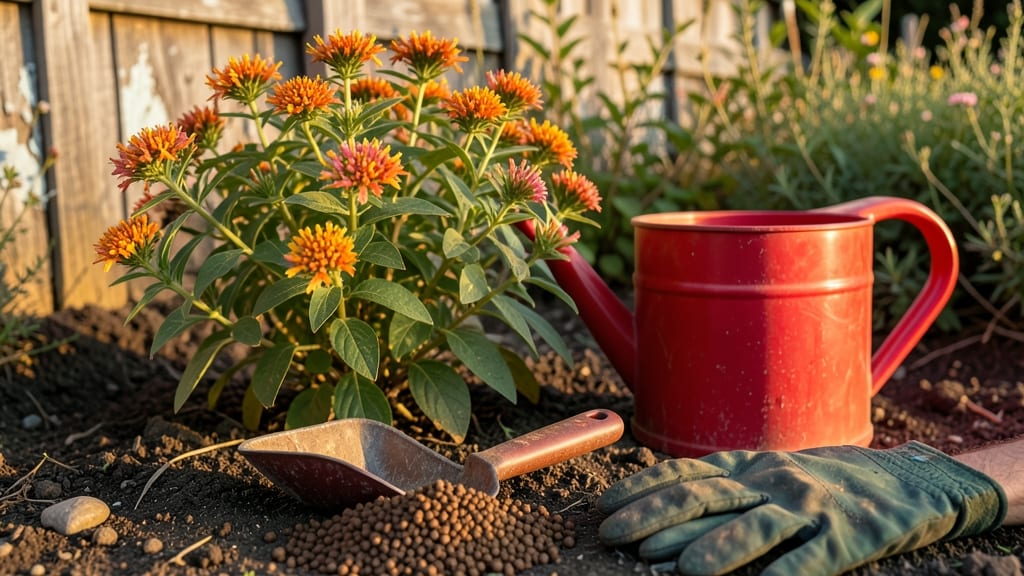
Best months to fertilize lantana for maximum blooms and growth
Timing your lantana fertilization is half the battle for vibrant blooms and healthy foliage. Unlike annuals, lantana thrives on seasonal feeding that aligns with its natural growth cycles. The key is feeding when your plant is actively growing—not when it’s dormant or stressed.
For most climates, this means focusing on spring through early fall, with adjustments for tropical vs. temperate zones.
In temperate zones (USDA 6a-10a), lantana typically enters dormancy in late fall, making winter fertilization a waste of resources. Meanwhile, tropical climates may see year-round growth, requiring lighter, more frequent feeding. Understanding these patterns helps you avoid overfeeding, which can lead to leaf burn or stunted blooms.
| Season | Fertilization Window | Frequency | Climate Notes |
|---|---|---|---|
| Early Spring (March-April) | Light feed after pruning | Every 6 weeks | Stimulate new growth before blooming |
| Late Spring (May) | Full feed for blooming | Every 4 weeks | Peak flowering season begins |
| Summer (June-August) | Maintenance feeding | Every 4-6 weeks | Reduce in extreme heat (drought stress) |
| Early Fall (September) | Light feed if blooming continues | Every 6 weeks | Temperate zones only (tropical: continue) |
| Winter (October-February) | None | Dormant period | Avoid feeding in frost-prone areas |
For tropical climates (USDA 10b-12), lantana may bloom year-round, so adjust your schedule to feed every 6-8 weeks instead of stopping in winter. Look for signs of new growth—if your plant is actively producing leaves or flowers, it’s ready for nutrients.
In cooler climates (USDA 6a-8a), focus fertilization on April through September, with a final feed in early October to harden off plants before winter.
Pro tip: Always fertilize in the morning to give roots time to absorb nutrients before evening heat. Water thoroughly before and after applying fertilizer to prevent root burn. I’ve found that slow-release granules work best for lantana, as they provide steady nutrition without the risk of overfeeding.
If you’re in a high-desert climate, like Arizona or Nevada, reduce summer fertilization to avoid salt buildup in the soil. Instead, opt for organic compost tea every 8 weeks to feed roots without stressing the plant.
The key is matching your fertilization schedule to your local microclimate—not just the calendar.
One common mistake I see is fertilizing right after planting. New lantana roots are delicate and need time to establish before taking in nutrients. Wait 4-6 weeks post-transplant before your first feed. This gives roots a chance to spread and reduces the risk of fertilizer shock.
For container-grown lantana, fertilization needs are more frequent due to limited soil volume. Feed every 3-4 weeks during the growing season, using a water-soluble fertilizer diluted to half-strength. Potted lantana also benefits from a monthly foliar spray of seaweed extract to boost resilience.
Remember, less is often more with lantana. Overfeeding leads to leaf yellowing and fewer blooms—a classic sign of nutrient imbalance. Start with a balanced 10-10-10 fertilizer and adjust based on your plant’s response.
If you notice dark green leaves with sparse flowers, it’s time to switch to a low-nitrogen, high-phosphorus formula (like 5-15-10) to encourage blooming.
🌸
Best months to fertilize lantana for maximum blooms and growth
Timing your lantana fertilization correctly is the secret to those vibrant, continuous blooms that make this plant a garden superstar. Unlike many plants, lantana thrives on a seasonal feeding schedule that aligns with its natural growth cycles.
In temperate climates, the key months are April through September, while tropical zones can extend feeding into early winter.
Your lantana’s growth isn’t steady year-round—it peaks in spring and summer when temperatures rise above 60°F consistently. This is when you’ll see the most dramatic response to fertilization, with healthier foliage and non-stop flowers. But timing matters just as much as the fertilizer itself.
For tropical climates, you can extend your feeding schedule into early fall (September-October) since lantana continues growing year-round. However, always stop fertilizing when you see new growth slow down or leaves yellowing—this is your plant’s signal to pause.
Pro tip: If you prune your lantana in late winter or early spring, wait 2-3 weeks before fertilizing. This gives any fresh cuts time to heal and prevents fertilizer burn on tender new growth.
In USDA Zone 6a (like much of the Midwest), aim to fertilize your lantana twice in spring (April and May) and twice in summer (June and August). This schedule ensures you’re feeding during the plant’s most active growth phases while avoiding the stress of over-fertilization.
Remember, lantana is a drought-tolerant plant, so it doesn’t need heavy feeding. A light, balanced fertilizer every 4-6 weeks during growing months is all it takes to keep your lantana thriving with bold colors and bushy growth. 🌸