
How To
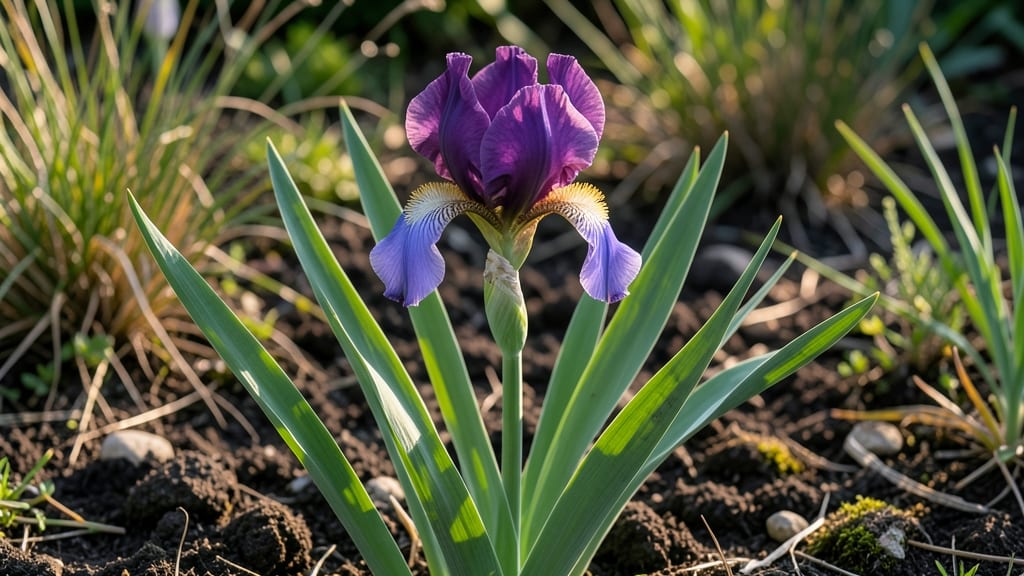
Optimal fertilization timing for bearded iris: spring feeding secrets
Timing your bearded iris fertilization is everything—apply too early, and you risk burning delicate rhizomes; too late, and your plants miss the growth boost they need for vibrant blooms. The best times to fertilize are early spring (just as leaves emerge) and post-bloom (late summer/early fall).
These windows align with your iris’s natural growth cycles, ensuring nutrients are used efficiently.
In Northern climates (USDA Zones 3-6), aim for late March to early April for spring feeding, while Southern gardeners (Zones 7-9) can start as early as February. The key is to fertilize when the soil is warm but not scorching—ideally 55–65°F—to prevent shock.
Overlooking this detail can lead to stunted growth or even rhizome rot.
For a visual guide, here’s when to fertilize based on your climate zone and growth stage:
| Season | Fertilization Window | Fertilizer Type | Notes |
|---|---|---|---|
| Early Spring | March–April (Northern) / February–March (Southern) | Balanced (5-10-10) or low-nitrogen (3-4-6) | Apply when leaves are 3–4 inches tall. |
| Post-Bloom | Late August–September | High-potassium (5-10-15) | Encourages rhizome storage for winter. |
| Summer | June–July | None (dormancy period) | Avoid fertilizing—risks bloom flopping. |
| Fall | October (mild climates) | Light organic (compost or bone meal) | Only if leaves remain green. |
Most gardeners make the mistake of fertilizing after blooming in early summer, but this is a critical error. Iris plants enter a dormancy-like state post-bloom, and feeding during this time forces energy into foliage instead of rhizome storage.
Wait until late August—when leaves start yellowing—to apply a high-potassium fertilizer like 5-10-15. This shift in nutrients signals the plant to store energy for next year’s blooms.
If you’re using organic fertilizers, opt for composted manure or fish emulsion in spring, and bone meal in fall. Synthetic options like 10-10-10 work well too, but always water thoroughly after application to prevent root burn.
Pro tip: Side-dress fertilizer (sprinkle around the base, not on leaves) for even distribution.
Regional variations matter! In Zone 7+, you might squeeze in a light feeding in November if your iris leaves stay green, but northern gardeners should halt fertilization by October 1st.
Cold snaps can stress rhizomes, and feeding too late delays dormancy. Always check your last frost date—fertilizing within 4–6 weeks before frost is safest.
Watch for over-fertilization signs: dark green leaves with yellow tips, floppy stems, or fewer blooms next year. These are red flags to cut back on fertilizer and increase watering.
Your goal is strong rhizomes, not lush foliage—iris plants prioritize flower production over leaf growth, so adjust your approach accordingly.
For newly planted iris, skip fertilization the first year entirely. Focus on establishing roots with well-draining soil and moderate watering. In year two, introduce a light spring feed (half the recommended dose) to build resilience.
Patience here pays off with healthier rhizomes and longer-lasting blooms in years three and beyond.
🌸
Post-bloom fertilization: the hidden key to next year’s flower power
After your bearded iris finishes blooming, most gardeners pack away their fertilizers—big mistake! This late-summer/early-fall window is when you give your rhizomes the nutrients they need to store energy for next year’s flowers. Skipping this step often results in smaller blooms or no flowers at all.
Most gardeners overlook post-bloom fertilization because they assume the plant is done growing. But iris rhizomes are busy building reserves during these warm months. A low-nitrogen, high-potassium fertilizer (like 5-10-10) applied now ensures your plants thrive through winter and burst with color again.
Here’s why this timing matters: After blooming, iris foliage yellows naturally—a sign the plant is reallocating nutrients to the rhizomes. Fertilizing now boosts this process, while late applications can lead to new growth that won’t harden off before frost.
For Southern climates, extend fertilization until early October—warmer temperatures mean longer growing seasons. In Northern zones, aim to finish by late September to avoid tender new growth. Over-fertilizing now can lead to weak stems or fungal issues, so follow the "less is more" rule.
Pro tip: If your iris foliage stays green past October, it’s a sign the plant is still actively growing—hold off on fertilizer until the leaves brown and collapse. This natural cycle ensures your rhizomes store enough energy for a showstopping spring display.
🌸