
How To
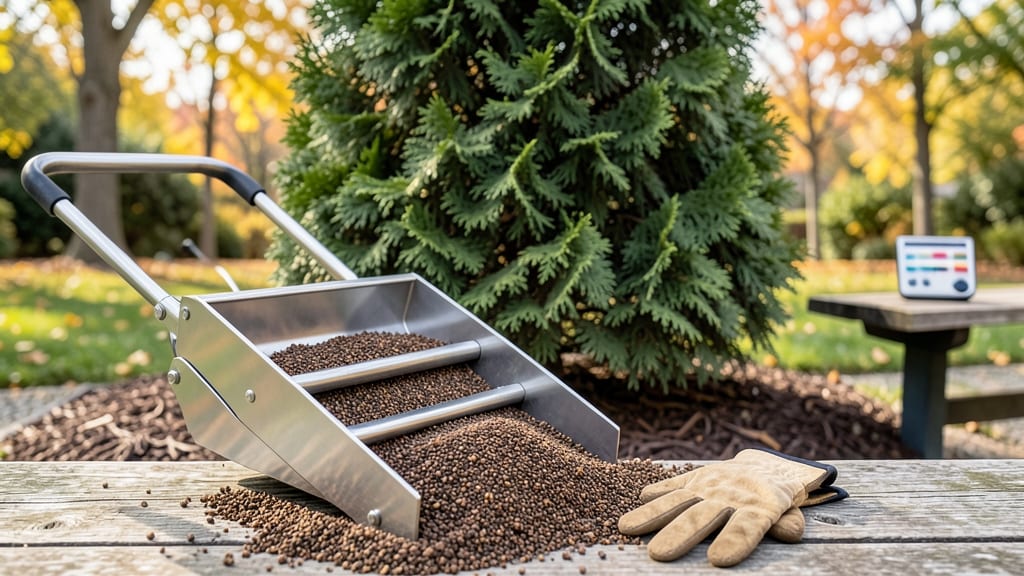
Optimal fertilization timing for Thuja Green Giant: spring vs fall schedule
Fertilizing your Thuja Green Giant at the right time is crucial for promoting healthy growth without stressing the plant. Unlike many shrubs, Thuja Green Giant thrives on a minimalist fertilization schedule—overdoing it can lead to brown needle tips or even root burn.
The best times to fertilize are early spring and late fall, but the exact timing depends on your climate zone and soil conditions.
In USDA Zone 6a (where Thuja Green Giant performs best), aim to fertilize between mid-April and early May, right after the last frost but before new growth begins. This timing ensures nutrients are available as the plant wakes up from dormancy.
If you live in a warmer climate, adjust slightly earlier—late March—to align with bud break.
Fall fertilization is not recommended for Thuja Green Giant. By September or October, the plant starts preparing for dormancy, and new fertilizer applications can stimulate late-season growth that won’t harden off before winter. Instead, focus on soil amendments like compost in early fall to improve long-term soil health.
Soil temperature plays a critical role in nutrient absorption. Wait until the soil reaches at least 50°F (10°C) before applying fertilizer. Cold soil locks out nutrients, wasting your efforts and potentially harming the roots. Use a soil thermometer to check—this small tool can save you from costly mistakes.
For newly planted Thuja Green Giant, hold off on fertilization for the first 6-12 months unless the soil is extremely poor. Young plants need time to establish roots before handling extra nutrients.
Once established, stick to a light feeding schedule—once per year in spring is often sufficient for mature plants.
If you’re in a cooler climate (Zone 5 or below), delay fertilization until late May to avoid frost damage to tender new growth.
Conversely, in warmer zones (Zone 7+), you might fertilize as early as February, but always monitor for signs of stress like yellowing needles or wilting.
| Season | Best Time to Fertilize | Soil Temp Requirement | Fertilizer Type | Frequency |
|---|---|---|---|---|
| Spring | Mid-April to early May | ≥50°F (10°C) | Slow-release granules (5-10-10) | Once per year |
| Fall | Not recommended | N/A | Compost only | Optional (early Sept) |
| Summer | Avoid entirely | N/A | None | Risk of stress |
| Winter | Dormant period | N/A | None | Plant is inactive |
Note: Adjust timing based on your local climate and frost dates.
Pro tip: If you notice slow growth or pale needles in early spring, a light application of fertilizer (half the recommended dose) can give your Thuja Green Giant a gentle boost. Always water thoroughly after applying fertilizer to help nutrients reach the roots and prevent burn.
Remember, Thuja Green Giant is a low-maintenance evergreen. Over-fertilizing is far riskier than under-fertilizing. When in doubt, skip the fertilizer and focus on mulching and proper watering to keep your hedge thriving naturally.
Optimal fertilization timing for Thuja Green Giant: spring vs fall schedule
Fertilizing your Thuja Green Giant at the right time ensures healthy growth without stressing the plant. The best window is early spring (March-April) when soil warms and new growth begins. This aligns with the plant’s natural growth cycle and prevents winter damage risks.
Fall fertilization is generally not recommended for Thuja Green Giant. The plant enters dormancy in late summer, and feeding at this stage can lead to overgrowth that won’t harden off before frost. Instead, focus on soil preparation for next year’s growth.
🌱 Fertilization Timeline for Thuja Green Giant
| Season | Soil Temp | Action | Notes |
|---|---|---|---|
| Early Spring | 40-50°F | Apply slow-release fertilizer | Encourages new growth |
| Late Spring | 50-60°F | Light foliar feed | Supports leaf development |
| Summer | 60°F+ | Skip fertilization | Avoids heat stress |
| Fall | Below 50°F | No fertilization | Plant enters dormancy |
Your USDA hardiness zone plays a key role in timing. In zones 3-5, wait until after the last frost (typically late April) to fertilize. Warmer zones (6-8) can start as early as February, but always check soil temperature first—40°F is the minimum for safe application.
For newly planted Thuja Green Giant, hold off on fertilization for the first 6-12 months to avoid root burn. Instead, focus on watering deeply and mulching to establish roots. Once established, a balanced 5-10-10 NPK ratio works best for steady growth.
Over-fertilizing in late summer can cause brown needle tips and winter burn. Always follow the 2 lbs per 100 sqft guideline and water thoroughly after application to help nutrients reach the roots. Consistency is key—stick to your spring schedule for best results.
Pro tip: Mix compost into the soil before planting to give your Thuja Green Giant a nutrient head start. This reduces the need for frequent fertilization later. Pair this with a mulch layer to retain moisture and regulate soil temperature year-round.