
Planting
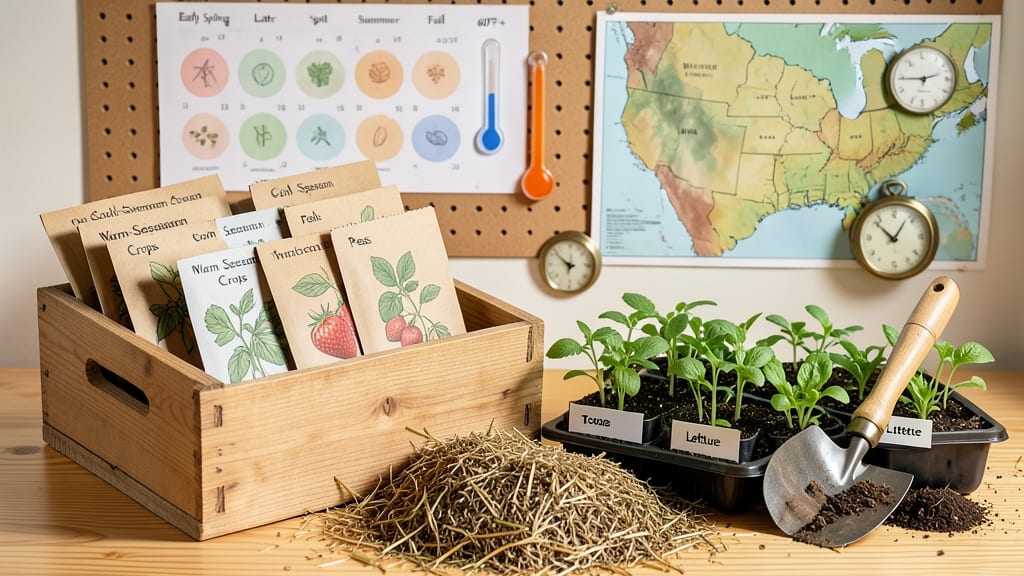
Timing your garden planting in Washington State can feel like solving a puzzle—one wrong move, and your 🌱 seedlings could meet an icy fate.
The Pacific Northwest’s unpredictable weather means your planting window isn’t just about seasons; it’s about knowing your exact USDA zone, whether you’re in the rainy Puget Sound or the drier Columbia Basin.
I’ve spent years tracking frost dates and testing what thrives in Washington’s varied climates, and the key difference between a thriving garden and a failed one often comes down to when you put those seeds in the ground.
Miss the spring window by even a few weeks, and you might lose your tomatoes to late frosts—or worse, watch your summer crops bolt before they mature.
What if you could skip the guesswork and plant with confidence? This guide breaks down the perfect planting timeline for your specific zone, from the earliest frost-free dates in Eastern Washington to the extended growing seasons along the coast.
We’ll cover everything from cool-season greens to heat-loving peppers, plus pro tips to stretch your harvest well into fall.
Whether you’re a first-time gardener or a seasoned green thumb, knowing the right time to plant in your corner of Washington could mean the difference between a bountiful harvest and a sad, half-empty garden. Let’s get your 🌱 garden started on the right foot—no frostbite required.
Washington State planting timeline by USDA zone (5-9)
Washington’s USDA zones 5 through 9 create wildly different planting windows. Zone 5’s late spring frosts (often May 15–June 1) delay warm-season crops, while zone 9’s mild winters let you plant tomatoes in February.
Let’s break down your frost-free planting timeline by zone, including last spring frost and first fall frost dates.
For zone 5 (eastern WA), your last frost date typically arrives May 1–15, but cool nights linger until June. Start cold-hardy crops like peas and spinach in March, while tomatoes and peppers wait until after Memorial Day.
The first fall frost hits September 15–October 1, so plan warm-season harvests before then.
In zone 6 (Cascade foothills), expect last frosts April 15–May 1, giving you a longer window for cool-season crops. Direct-sow beans and corn by May 15, and transplant warm-season veggies by June 1.
Fall frosts arrive October 1–15, so plant garlic and onions in October for next year’s harvest.
Zone 7 (Puget Sound) enjoys last frosts April 1–15, with mild summers that suit cool-loving crops. Start tomatoes indoors in March and transplant by May 15.
Your first fall frost comes October 15–November 1, so extend the season with row covers for kale and carrots.
For zones 8–9 (western WA/coast), last frosts rarely occur after March 15, and first frosts can wait until November 15. This means year-round gardening is possible! Plant warm-season crops like okra in April, and harvest squash until December.
Cool-season crops like spinach, peas, and broccoli thrive in spring and fall, while warm-season crops (tomatoes, peppers, cucumbers) need consistent warmth. In zone 5, wait until soil temps reach 60°F (usually late May) before planting warm-season veggies.
In zone 9, you can plant year-round, but avoid frost-sensitive crops like basil in winter.
For succession planting, use short-season crops like radishes (25 days) or bush beans (50 days) to maximize your garden’s productivity. In zone 7, for example, you can plant lettuce every 2 weeks from March to September for a continuous harvest.
Always check local frost dates—microclimates (like urban heat islands or valley floors) can shift your planting window by 2–3 weeks. For
Best crops to plant in Washington by season (zone-specific guide)
Washington’s USDA zones 5-9 offer diverse growing opportunities, but your crop choices should match your microclimate. Coastal areas (zones 8-9) can grow citrus and olives, while inland zones (5-6) thrive with cold-hardy root vegetables. Let’s break down the best plants for each season and zone.
For spring planting (March-May), focus on cool-season crops like lettuce, peas, and spinach in zones 5-6. Zones 8-9 can start warm-season veggies like tomatoes and peppers in April. Always check your last frost date—zone 5’s May 15 cutoff is critical!
Summer (June-August) is peak planting for heat-loving crops. Zones 5-6 excel with corn, beans, and squash, while zones 8-9 can try melons and okra. Succession planting every 2-3 weeks keeps harvests rolling.
Don’t overlook perennials like rhubarb, asparagus, and berries, which thrive in Washington’s climate. Plant rhubarb crowns in early spring (zones 5-7) or fall (zone 9), while blueberries need acidic soil—test your pH before planting!
Fall planting (September-November) is ideal for cool-season crops like garlic, onions, and leafy greens. Zone 9 gardeners can extend harvests with row covers until November 15. Avoid planting warm-season crops after the first frost—your tomato plants won’t recover!
Pro tip: Herbs like oregano and thyme are perennial workhorses in Washington gardens. Plant them in spring or fall for year-round flavor. Pair them with drought-tolerant lavender to save water.