
Plants
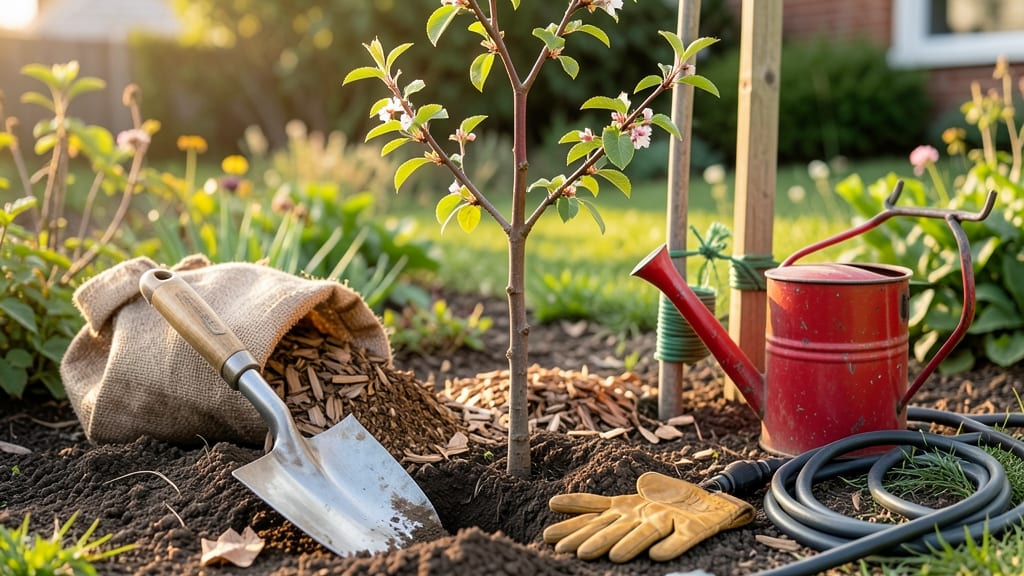
Best planting seasons for trees by USDA hardiness Zone
Timing your tree planting is just as important as choosing the right variety. In most regions, the best times to plant a tree are either late winter to early spring (after the last frost) or fall (4-6 weeks before the first frost).
These windows give roots time to establish before extreme heat or cold arrives. But the exact timing depends on your USDA hardiness zone, as frost dates and soil temperatures vary dramatically across the country.
For example, in Zone 3-5 (cold climates like Minnesota or upstate New York), spring planting is often safer because the ground thaws earlier than in Zone 7-10 (milder climates like Texas or Florida), where fall planting avoids summer heat stress.
Even within a single zone, regional microclimates—like coastal areas or mountain valleys—can shift ideal planting dates by weeks. Let’s break down the best seasons for each zone and why they matter.
Soil temperature is the #1 factor for successful tree planting. Roots need soil temps above 40°F (4°C) to grow actively. In colder zones, this means waiting until late April or May, while in warmer zones, March or even February can work. Always check your local frost-free date—planting too early risks frost damage to tender new roots.
Another key rule: Evergreen trees (like pines or spruces) should always be planted in fall or early winter to avoid summer drought stress. Deciduous trees (like oaks or maples) are more flexible and can handle spring or fall planting.
Below, I’ve mapped out the ideal windows for both types by zone so you can pick the perfect moment for your tree.
If you’re in Zone 6a (like much of the Midwest), aim for late March to early April in spring or mid-September to early October in fall. These windows give your tree’s roots 4-6 weeks of warm soil before summer heat or winter frost arrives.
For example, a red oak planted in late April will have its roots fully established by July, while one planted in September will avoid summer drought stress.
Regional variations matter too. In the Pacific Northwest, fall planting is ideal because the mild, wet winters reduce transplant shock. But in the Deep South, summer heat makes spring planting the safer bet.
Always check your local cooperative extension service for hyper-local advice—they track frost dates and soil temps for your exact area.
One more critical factor: bare-root vs. container-grown trees. Bare-root trees (sold without soil) must be planted in dormant season (late fall or early spring) to prevent root desiccation. Container-grown trees are more flexible but still benefit from cooler weather.
If you’re unsure, ask your nursery for species-specific guidance—some trees, like dogwoods, thrive only when planted in fall.
Finally, avoid planting in extreme heat or cold. Summer planting in Zone 7+ risks heat stress, while winter planting in Zone 4-5 can freeze tender roots. Stick to the 4-6 week window before/after frost, and your tree will thank you with decades of healthy growth.
Ready to dig in? Let’s talk prep next—soil testing, root care, and watering schedules make all the difference!
How to prepare your tree for spring vs fall planting
Preparing your tree for planting isn’t just about digging a hole—it’s about giving it the best possible start. Whether you’re planting in spring or fall, the right prep work makes all the difference in root development and long-term health.
I’ve planted dozens of trees, and I’ve learned that soil prep and seasonal adjustments are non-negotiable for success.
For spring planting, focus on soil warming and early root growth. Fall planting, on the other hand, requires protecting roots from early frost and ensuring the tree establishes before dormancy.
Both seasons demand attention to detail, but the steps differ significantly. Let’s break it down so you can avoid common pitfalls and set your tree up for decades of growth.