
Plants
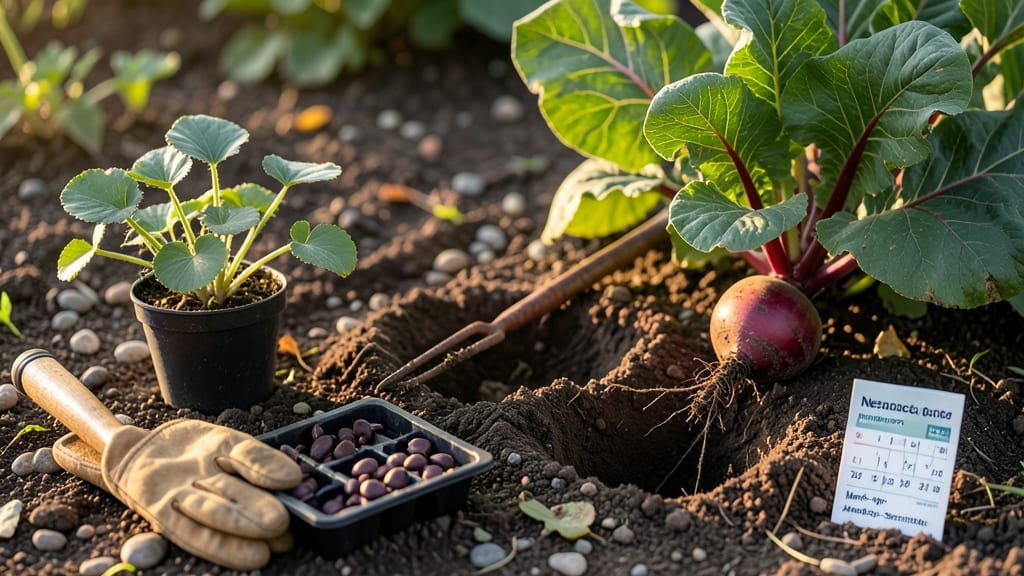
Knowing when to plant beets in Nebraska can mean the difference between a bountiful harvest and wasted effort—especially in USDA zones 5a-6b where frost lingers unpredictably. The 🍠 thrives when planted at the right moment, but timing too early risks frost damage, while waiting too long cuts your harvest short.
Spring is your best bet, with ideal windows opening in March-April once soil temperatures hit 50°F. But Nebraska’s climate throws curveballs—dry spells, sudden freezes, or early heat can derail even the most careful plans.
The key? Planting in two waves: early spring for a June harvest and late summer for fall flavors.
I’ve grown beets in Nebraska’s 5a-6b zones for years, and I’ll show you exactly how to sync your planting with frost dates, soil prep, and even drought-resistant varieties. Skip the guesswork—these strategies ensure your beets grow fast and sweet, no matter what Mother Nature throws your way.
Ready to beat Nebraska’s growing challenges? Let’s dive into the exact planting timeline, from seed to harvest, so you can enjoy homegrown beets all season long.
Nebraska’s frost-free planting windows for beets: exact dates by region
Nebraska’s diverse climate—from the arid Panhandle to the humid Eastern regions—means your beet planting timeline should match your specific zone. Beets thrive in cool soil temperatures (40-75°F), so timing is critical to avoid frost damage or bolting from heat.
Let’s break down the ideal planting windows for each region, using USDA Zones 5a-6b as our guide.
For spring planting, aim to sow seeds 4-6 weeks before your last frost date. In Nebraska, this typically falls between mid-March and mid-April, but exact dates vary by county.
The Nebraska State Climate Office recommends checking your local last frost averages—Lincoln usually sees its last frost around April 15, while Scottsbluff in the Panhandle may wait until May 1.
Fall planting is another great option for Nebraskans. Sow seeds 8-10 weeks before your first frost, usually between July 15 and August 15. This gives beets time to mature before winter sets in.
In Zone 6b (eastern Nebraska), you might even squeeze in a second fall harvest if planted by late July.
| Region | Last Frost Date | Spring Planting Window | Fall Planting Window | Soil Temp Threshold |
|---|---|---|---|---|
| Panhandle (e.g., Scottsbluff) | May 1 | April 15 - May 1 | July 15 - August 1 | 40-75°F |
| Central (e.g., Lincoln) | April 15 | March 20 - April 10 | July 1 - August 10 | 40-75°F |
| Eastern (e.g., Omaha) | April 1 | March 15 - April 5 | June 20 - July 30 | 40-75°F |
🌱 Pro Tip: Use a soil thermometer to confirm soil temps—beets won’t sprout below 40°F.
If you’re in a warmer microclimate (like a south-facing garden bed), you can push your spring planting 2 weeks earlier. Conversely, high-elevation areas in the Panhandle may need to delay until after May 1 to avoid late frosts.
Always monitor weekly frost forecasts from the National Weather Service for real-time adjustments.
For succession planting, sow new seeds every 2 weeks until June 1 to ensure a steady supply. This works especially well in Central and Eastern Nebraska, where the growing season is longer.
In the Panhandle, focus on one main spring planting and a single fall batch to avoid stressing the plants.
One common mistake in Nebraska is planting beets too early when soil is still cold. Use black plastic mulch or row covers to warm the soil 5-7°F faster if you’re eager to start.
Alternatively, opt for cold-hardy varieties like ‘Early Wonder Tall Top’ or ‘Detroit Dark Red,’ which tolerate cooler temps better than others.
Remember, Nebraska’s unpredictable weather means flexibility is key. If a late frost hits, cover young seedlings with frost cloth until temperatures rise. And if summer heat arrives early, shift to shade cloth to prevent bolting—beets hate heat and will go to seed quickly if stressed.
For the most accurate local advice, consult the Nebraska Extension Office or their Garden Hotline. They offer free soil tests and can help you fine-tune your planting schedule based on your specific county’s climate data. With the right timing, you’ll enjoy sweet, homegrown beets from June through November!
How to extend your beet harvest season in Nebraska’s short growing period
Nebraska’s short growing season (just 165 frost-free days) can feel like a race against time for beet lovers. But with the right strategies, you can enjoy fresh, homegrown beets from early summer until fall.
The secret? Succession planting, cold-hardy varieties, and smart soil prep to squeeze every ounce of productivity from your garden.
Start by choosing early-maturing varieties like ‘Early Wonder’ (50 days) or ‘Detroit Dark Red’ (58 days). These thrive in Nebraska’s cool spring soils and won’t bolt prematurely when temperatures rise. For a continuous harvest, plant seeds every 2-3 weeks from March through early June.
This staggered approach ensures you’re always pulling beets at their peak—1-3 inches in diameter—without overcrowding your garden.
🌱
Don’t overlook soil warming tricks to jumpstart spring plantings. Lay down black plastic mulch 2-3 weeks before sowing to raise soil temperatures by 10-15°F. This is especially critical in Nebraska’s Panhandle region, where soils warm slower.
For containers, use heat mats or plant near south-facing walls to accelerate germination.
One of my favorite Nebraska-specific hacks? Plant beets alongside radishes or lettuce. Radishes mature in just 25 days, giving you an early harvest while shading beet seedlings.
Then, as the radishes bolt, you’re left with uninterrupted beet growth in the same space. It’s a win-win for small gardens or urban plots where space is limited.
For gardeners in Eastern Nebraska, where summers can be humid, focus on shade cloth (30-50% coverage) to prevent bolting during July’s heatwaves. Even a 10-minute midday shade break can keep your beets producing sweet roots instead of flowering stems.
And remember: Water deeply in the morning to reduce stress—beets wilt fast in Nebraska’s dry winds.
With these strategies, you’ll turn Nebraska’s 165 frost-free days into a 4-month beet bonanza. Start your first planting by March 15, and you’ll be pulling beets by Memorial Day—just in time for grilling or roasting.
The key is consistency: plant, protect, and persist, and your garden will reward you with harvests that last well into fall. 🌻