
Plants
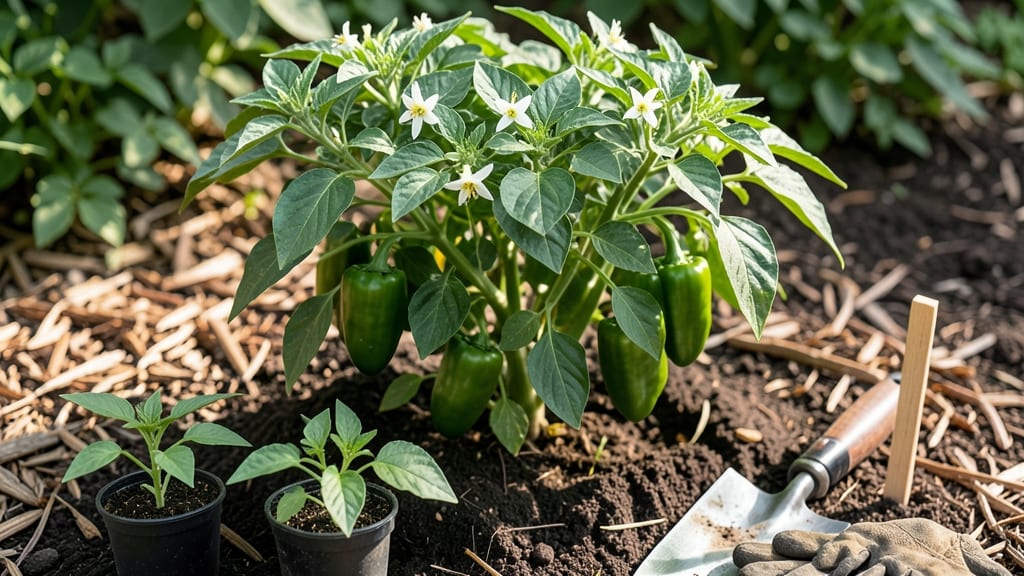
Knowing when to plant bell peppers in Kansas can mean the difference between a bountiful harvest and a sad, wilted 🌶️ disappointment. The wrong timing leaves your plants vulnerable to frost, while planting too late cuts your growing season short—both mistakes can shrink your yield.
For Kansas gardeners in zones 5b-7a, the sweet spot is between April 15 and May 15, after the last frost date. But here’s the catch: soil temperature matters just as much as calendar dates—peppers need warmth to thrive, and rushing them can stall growth.
I’ll break down the exact frost-free timeline for your zone, plus pro tips to extend your harvest. Whether you’re starting seeds indoors or transplanting seedlings, these strategies will help you grow healthier, more productive bell peppers all season long.
Ready to turn your garden into a pepper powerhouse? Let’s get started with the perfect planting schedule for Kansas’ unpredictable climate.
Kansas bell pepper planting dates by hardiness Zone (5-7)
Kansas spans USDA Zones 5b through 7a, meaning your exact planting window depends on where you live. In Zone 5b, the average last frost date is April 15-20, while Zone 7a gardeners can plant as early as March 20-April 5.
Always wait until soil temperatures hit 60°F+—cold soil stunts growth.
For transplants, start seeds indoors 8-10 weeks before your last frost date. In Kansas, this means February 15-March 1 for most regions. Harden off seedlings for 7-10 days before transplanting after the last frost.
Direct sowing is riskier but works if you use black plastic mulch to warm the soil.
Here’s your frost-free planting timeline by zone, including soil prep tips and transplant windows:
If you’re starting from seed, aim for 60-75 days before your first frost date. For example, in Zone 6a, sow seeds indoors by February 20 to transplant in early April. Seedlings need 12+ hours of light daily—use grow lights if natural light is limited.
For direct sowing, wait until nighttime temperatures stay above 55°F. Use biodegradable pots to transplant seedlings later if needed. In Zone 7a, you can even try a late summer replanting (August) for a fall harvest before frost.
Kansas’ unpredictable spring weather means flexibility is key. Monitor local weather forecasts and use row covers for a 2-week buffer after your target transplant date. This protects against late frosts while giving soil time to warm.
Once planted, mulch heavily with straw or grass clippings to retain moisture and regulate soil temperature. Bell peppers are sensitive to cold snaps, so avoid planting near windy areas or use windbreaks if needed. A south-facing garden bed gets the most sunlight, which is critical for sweet, flavorful peppers.
Remember: Peppers need warmth to set fruit. If your first planting fails due to cool soil, don’t panic—succession plant every 2-3 weeks until July 15 to extend your harvest season. This works especially well in Zone 7a, where the growing season is longer.
🌱
How to adjust planting for Kansas weather extremes (drought, heatwaves)
Kansas’ unpredictable weather—from sudden droughts to scorching heatwaves—can derail even the best-laid pepper planting plans. The key is proactive adjustments to protect your plants while maximizing their growth potential. Start by monitoring weekly weather forecasts and preparing for extremes before they hit.
Drought is the biggest threat to bell peppers, which need consistent moisture to develop sweet, plump fruits. If your forecast calls for dry conditions, prioritize deep watering schedules and mulching to retain soil moisture. Even a 2-inch layer of straw mulch can reduce water loss by up to 30%.
Heatwaves, common in Kansas summers, can stress pepper plants, leading to blossom drop or stunted growth. Use shade cloth (30-50%) during peak afternoon heat (12 PM–4 PM) to protect young plants. For mature peppers, focus on evening watering to cool the soil and encourage root growth.
- Water deeply at dusk (1–2 gallons per plant) to reduce evaporation.
- Apply reflective mulch (like aluminum foil) to block excess heat from the soil.
- Prune lower leaves to improve airflow and reduce fungal risks from humidity.
For extended harvests, consider a late-summer replanting strategy. After your first batch of peppers is harvested (typically by late August), clear the bed and replant with fast-maturing varieties like ‘Early Prolific’ or ‘Sweet Banana.’ These can produce peppers into early October before frost hits.
Drought-resistant varieties like ‘Aristotle’ or ‘Jupiter’ are also worth prioritizing—they thrive with less water while maintaining high yields. Pair them with drip irrigation to deliver moisture directly to roots, minimizing waste.
Finally, keep an eye on your soil temperature. If it drops below 60°F unexpectedly, cover seedlings with floating row covers at night to protect tender roots. With these adjustments, you’ll turn Kansas’ weather challenges into opportunities for a longer, sweeter pepper harvest.