
Plants
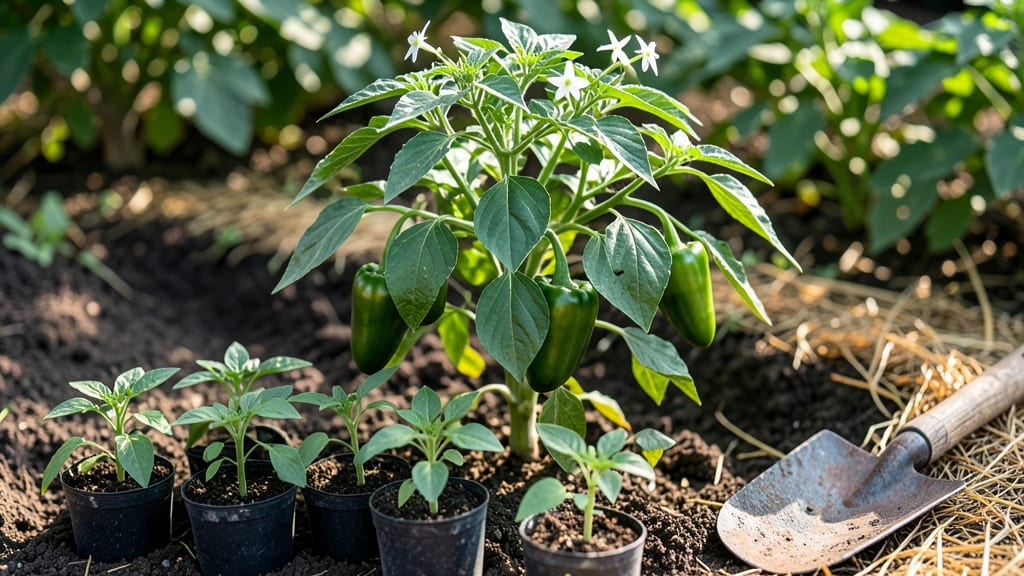
Timing your 🌶️ bell pepper planting in Missouri can mean the difference between a bumper crop and wasted effort. One wrong move—like planting too early and facing frost or too late and missing the harvest window—and you could lose your entire season before it even begins.
Missouri’s 5b-6b climate zones demand precision, especially when bell peppers need 60-90 warm days to mature. Whether you’re starting seeds indoors or transplanting seedlings, knowing the exact frost-free dates by region is the key to success.
I’ll break down the ideal planting windows so you can avoid common mistakes and maximize your harvest.
From St. Louis to Kansas City, each area has its own microclimate quirks that affect when you should plant. You’ll discover how to adjust for early starts, late seasons, and even Missouri’s unpredictable weather patterns. Let’s get those peppers growing strong and ready for a summer of flavor!
Ready to plan your planting schedule? You’ll learn which varieties thrive best in Missouri, how to harden off seedlings, and when to fertilize for peak production. Let’s make this your most successful bell pepper season yet!
Missouri bell pepper planting calendar: frost dates by region and variety
Missouri’s diverse climate zones mean your planting window for bell peppers can vary by up to 3 weeks depending on where you live. Whether you're in St. Louis (Zone 6a), Kansas City (Zone 6b), or the Southeast Missouri (Zone 7a), knowing your last frost date is critical.
Most regions see their final frost between April 1-15, but microclimates can push this earlier or later.
For short-season varieties like 'Carolina Wonder' (45-60 days to maturity), aim to plant 2-3 weeks after your last frost date. Medium-season peppers such as 'Jupiter' (60-75 days) need a slightly later start, while long-season types like 'California Wonder' (75+ days) require perfect timing to avoid summer’s oppressive heat.
Here’s how to match your bell pepper varieties with Missouri’s climate zones and frost-free windows:
| Region | Last Frost Date | Ideal Planting Window | Best Varieties | Heat Tolerance |
|---|---|---|---|---|
| St. Louis (Zone 6a) | April 15 | April 25 - May 10 | 'Carolina Wonder', 'Aristotle' | Moderate |
| Kansas City (Zone 6b) | April 10 | April 20 - May 5 | 'Jupiter', 'Gypsy' | High |
| Springfield (Zone 6b) | April 12 | April 22 - May 7 | 'Black Beauty', 'California Wonder' | Low |
| Columbia (Zone 6a) | April 14 | April 24 - May 9 | 'Aristotle', 'Carolina Wonder' | Moderate |
| Southeast MO (Zone 7a) | March 25 | April 10 - April 25 | 'Gypsy', 'Jupiter' | High |
If you’re starting seeds indoors, begin 8-10 weeks before your last frost date to ensure seedlings are 4-6 inches tall and hardened off before transplanting. For direct sowing, wait until soil temperatures reach at least 60°F, which typically aligns with your region’s planting window.
Missouri’s summer heat can stress bell peppers, so late-season varieties like 'Black Beauty' thrive with afternoon shade during July and August. Plant in well-draining soil with a pH of 6.0-6.8 to prevent blossom-end rot, a common issue in Missouri’s humid summers.
Pro tip: Use mulch to retain soil moisture and row covers for early starts. This extends your planting window by 2-3 weeks in cooler regions like St. Louis.
For maximum yield, space plants 18-24 inches apart in rows 24-36 inches apart. This gives peppers room to thrive without competition and reduces the risk of disease spread in Missouri’s crowded gardens.
Missouri’s short growing season demands precision—plant too early, and frost will kill seedlings; too late, and summer’s heat arrives before harvest. Use this calendar to time your planting perfectly and enjoy bold, homegrown bell peppers from July through October.
How to adjust planting for Missouri’s unpredictable weather: tips for early starts and late seasons
Missouri’s unpredictable spring weather can throw off even the most careful planting plans. Late frosts in April and early heatwaves in May make timing critical for bell peppers. The key? Flexible strategies to protect your plants and extend the growing season when needed.
If you’re planting short-season varieties like 'Carolina Wonder' (60 days to maturity), you’ll need to act fast. Start seeds indoors 8-10 weeks before your last frost date—typically mid-April for most of Missouri.
For longer-maturing varieties like 'California Wonder' (75+ days), consider a two-step approach: begin indoors in early March, then transplant outdoors after the frost-free window opens.
Row covers are your best friend for early starts. These lightweight fabrics (like floating row covers) protect seedlings from light frosts down to 28°F. Lay them over plants after transplanting in late April or early May. Remove them during the day when temperatures rise above 50°F to allow pollination. Cold frames are another great tool—place them over seedlings to create a microclimate 10-15°F warmer than outside.
⚠️ Watch for blossom-end rot
Missouri’s humidity and temperature swings (hot days, cool nights) trigger this common issue. To prevent it:
- Mulch heavily to keep soil moisture consistent
- Avoid overwatering—stick to 1-2 inches per week
- Add calcium-rich fertilizer (like crushed eggshells) at planting
For gardeners in southern Missouri (USDA Zone 6b), where summers arrive early, focus on heat-tolerant varieties like 'Aristotle' or 'Jupiter.' These handle 90°F+ temperatures better than traditional types. If you’re in northern Missouri (Zone 5b), prioritize early-maturing hybrids and use black plastic mulch to warm the soil faster.
Don’t forget hardening off seedlings before transplanting. Gradually expose them to outdoor conditions over 7-10 days: start with 1 hour of sunlight daily, then increase by 1 hour each day. This reduces transplant shock and helps seedlings adjust to Missouri’s variable winds and temperature drops.
Even with perfect timing, late-season surprises happen. If a killing frost threatens in October, harvest peppers before they ripen—they’ll still taste good when cooked!
For next year, mark your calendar for local frost dates (check Missouri State Climate Office resources) and adjust your planting window by 1-2 weeks based on trends.