
Plants
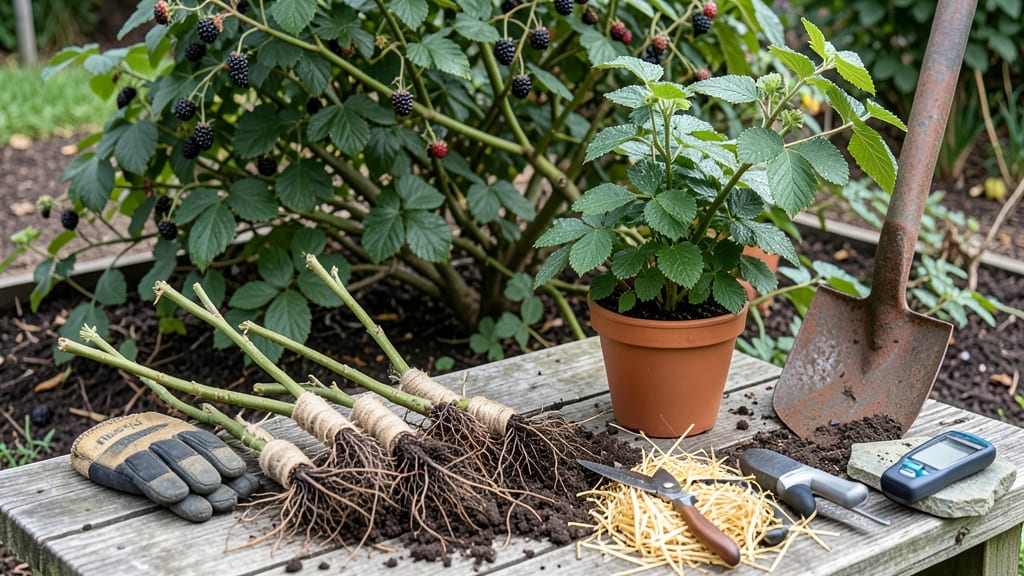
Alabama blackberry planting zones: best months by region
Alabama's diverse climate—spanning USDA zones 7a to 8b—means blackberry planting times vary by region. The ideal window is late winter to early spring, but exact dates depend on your last frost date and microclimate.
For northern Alabama (zones 7a-7b), aim for mid-February to March, while southern Alabama (zones 8a-8b) can plant as early as January to February.
Blackberries need soil temperatures above 60°F to establish roots successfully. In Alabama, this typically aligns with March for most regions, but you can use a soil thermometer to confirm. Planting too early risks frost damage to tender new growth, while waiting too long may delay the first year's harvest.
To pinpoint your exact planting window, check the Alabama Agricultural Statistics Service or local Cooperative Extension Office for your county's average last frost date. For example, Huntsville (zone 7b) usually waits until mid-March, while Mobile (zone 8b) can start as early as late January.
Here’s how Alabama’s regions break down for blackberry planting:
| Region | USDA Zone | Best Planting Month | Soil Temp Requirement | Last Frost Date |
|---|---|---|---|---|
| North Alabama (e.g., Huntsville, Decatur) | 7a-7b | Mid-February to March | 60°F+ | Mid-March |
| Central Alabama (e.g., Birmingham, Montgomery) | 7b-8a | Late February to Early March | 60°F+ | Early March |
| South Alabama (e.g., Mobile, Dothan) | 8a-8b | January to February | 55°F+ | Late January |
For container gardening, you can plant blackberries slightly earlier in February since pots warm up faster. However, avoid planting in fall, as Alabama’s mild winters may trick canes into growing before the first frost, weakening them.
Pro tip: If you miss the spring window, late summer (August) is a secondary option for bare-root plants in northern Alabama. Just ensure canes have 4-6 weeks to establish roots before winter sets in.
Always plant 1-year-old canes (primocanes) for the best results. These are more resilient than older wood and will produce fruit the following year. Space them 4-6 feet apart in rows 8-10 feet apart to allow for proper air circulation and future growth.
After planting, mulch with 3-4 inches of organic mulch (like pine straw or wood chips) to retain moisture and regulate soil temperature. This is especially critical in Alabama’s hot, humid summers, where mulch helps prevent soil-borne diseases.
Monitor your blackberries for late spring frosts, which can occur as late as April in northern Alabama. If frost is forecasted, cover young canes with frost cloth or row covers to protect tender new growth.
🌱
Alabama blackberry planting zones: best months by region
Alabama's diverse climate—spanning USDA zones 7a to 8b—means blackberry planting windows vary by region. In northern Alabama (7a), aim for late February to early March when soil temperatures reach 55°F+.
Southern areas (8a-8b) can plant as early as January, but avoid planting before the last frost date, typically mid-March in most areas. Always check your local Alabama Extension office for precise frost dates.
Blackberries thrive when planted in cool but frost-free soil. In zone 7a, wait until after March 15th to minimize frost damage. For zone 8b, January planting is safe if soil isn’t frozen.
Use a soil thermometer to confirm temperatures are above 50°F—this ensures roots establish quickly before summer heat arrives.
| USDA Zone | Best Planting Months | Soil Temp Requirement | Last Frost Date |
|---|---|---|---|
| 7a (North AL) | Late February - Early March | 55°F+ | Mid-March |
| 7b (Central AL) | Early February - Late March | 50°F+ | Early March |
| 8a-8b (South AL) | January - Early February | 45°F+ | Late February |
🌱 Pro Tip: Use a frost calendar from the Alabama Agricultural Experiment Station for hyper-local timing.
If you miss the primary planting window, don’t panic! Blackberries can also be planted in early fall (September-October) to establish roots before winter. However, this method requires extra mulch (4-6 inches) to insulate roots from freezing temperatures. Avoid fall planting in zone 7a, where winters are harsher.
For container growing, timing shifts slightly. Plant bare-root canes in February and move pots to a protected location if frost threatens. Containers warm up faster, so monitor soil temps closely—below 45°F stunts root growth. Use black plastic mulch to accelerate soil warming by 5-10°F.
Never plant blackberries in summer or late spring—the heat stresses young canes, and they won’t establish before Alabama’s brutal summer (90°F+ temps). Instead, prioritize early spring when soil moisture is higher and pests like thrips are less active.
This gives your plants a 3-4 month head start before summer’s peak.
Before planting, harden off nursery-bought canes by gradually exposing them to Alabama’s outdoor conditions for 1-2 weeks. This reduces transplant shock—a critical step for thornless varieties, which are more delicate. Pair this with well-draining soil to prevent root rot, a common issue in Alabama’s clay-heavy soils.