
Plants
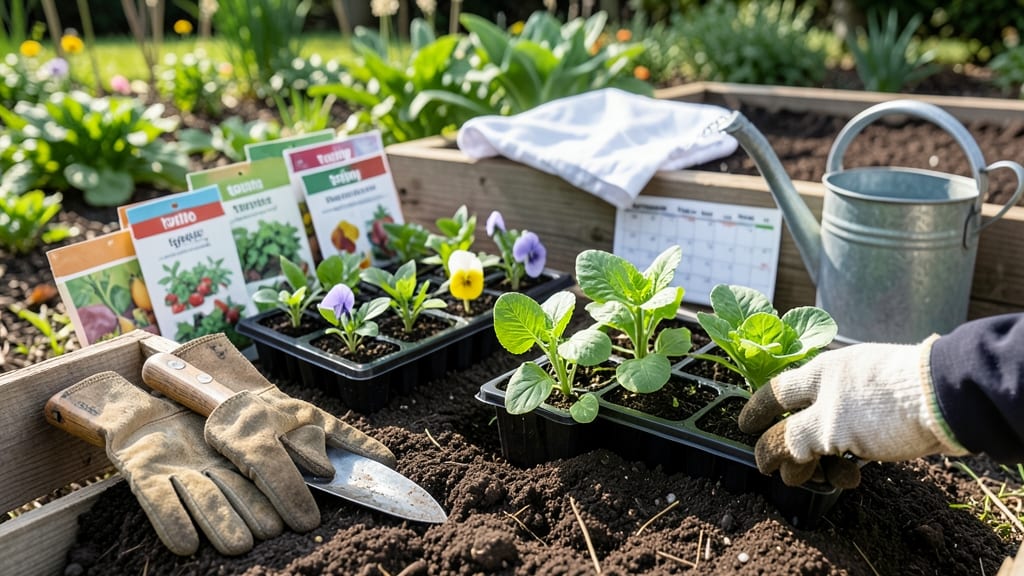
Timing your seed planting in Virginia can make or break your garden's success—get it wrong, and your hard work might never sprout. With frost dates ranging from March 15 to April 15, knowing exactly when to sow your General Seeds 🌱 is the key to thriving plants.
Whether you're growing cool-season greens or heat-loving tomatoes, the right timing ensures stronger seedlings and bigger harvests.
Virginia's diverse climate zones (6a-8a) mean what works in coastal areas may fail in the Piedmont. I'll break down the best planting windows for everything from early spring lettuce to late-summer okra, so you can avoid common mistakes like planting too soon or too late.
Let's dive into the science behind seed timing and how to tailor it to your local microclimate.
Did you know that some seeds need 4-6 weeks of indoor head starts while others thrive when planted directly after the last frost? I'll show you how to match each plant's needs with Virginia's seasonal shifts, plus pro tips for extending your growing season.
Ready to grow a garden that actually produces? Let's get started.
The secret to Virginia gardening isn't just about the calendar—it's about understanding your soil, sun exposure, and even your neighborhood's unique conditions. You'll learn which seeds to start indoors in February and which can wait until May, plus how to adjust for unexpected weather.
Your perfect planting schedule is just a few paragraphs away.
Virginia planting zones: when to start seeds indoors vs outdoors by last frost dates
Virginia’s diverse climate zones (USDA 7b-8a) create a complex planting calendar where timing is everything. The last average frost date varies dramatically—from March 15 in Zone 8a (southeastern Virginia) to April 15 in Zone 7b (mountains).
This means your cool-season crops like lettuce or peas need to hit the soil 4-6 weeks before your local last frost, while warm-season crops like tomatoes should wait 2-3 weeks after frost danger passes.
For indoor seed starting, begin cool-season crops in February-March (6-8 weeks before last frost) and warm-season crops in March-April (4-6 weeks before transplanting). Outdoor planting windows shrink quickly—miss them, and you’ll face bolting greens or stunted tomatoes from late starts.
Here’s the breakdown by Virginia’s key regions and their critical frost dates:
| Region | USDA Zone | Last Frost Date | Indoor Start (Cool-Season) | Outdoor Plant (Cool-Season) |
|---|---|---|---|---|
| Southeastern VA (Norfolk) | 8a | March 15 | Feb 15–Mar 1 | Feb 15–Mar 15 |
| Central VA (Richmond) | 7b | April 1 | Mar 1–Mar 15 | Mar 1–Mar 25 |
| Western VA (Roanoke) | 6b | April 15 | Mar 15–Apr 1 | Mar 15–Apr 5 |
| Northwestern VA (Blacksburg) | 7a | April 10 | Mar 10–Mar 25 | Mar 10–Apr 1 |
🌱 Note: Adjust for microclimates (e.g., urban areas warm faster).
For warm-season crops, transplant seedlings 2-3 weeks after your last frost date. In Zone 8a, this could be as early as April 1, while Zone 6b gardeners should wait until May 1.
Use row covers to extend early planting windows for heat-sensitive crops like peppers or eggplants.
Pro tip: Check soil temperature with a probe—warm-season crops need soil at 60°F+, while cool-season crops thrive in 40–60°F. Cold soil slows germination and can cause damping-off disease in seedlings.
Fall planting follows a reverse schedule. Start cool-season crops indoors July–August for outdoor planting August–September, aiming to harvest before first frost (typically October 15–November 15). Kale, spinach, and radishes are excellent choices—they sweeten after frost!
Remember: Virginia’s unpredictable spring weather can delay frost dates. Use local frost calendars (like Virginia Cooperative Extension’s) and monitor Almanac forecasts. A 5-day stretch of 32°F+ after your average last frost? Time to cover seedlings or harden them off.
For container gardening, adjust timelines by 1–2 weeks earlier—pots warm up faster than soil. And if you’re in a coastal area, expect earlier last frosts due to moderating ocean breezes. Mountain regions, meanwhile, can have late-spring frosts even after average dates.
Start your seedling journal now! Track your local frost dates, soil temps, and planting successes—this data becomes your personalized planting guide over time. First-year gardeners, don’t stress: even a small container garden can yield bountiful harvests with the right timing.
Heat-tolerant seed varieties that thrive in Virginia’s summer planting windows
Virginia’s summer heat can be brutal for tender seedlings, but some varieties are built to handle the 90°F+ temperatures and humidity we see from June through August. I’ve tested these heat-resistant seeds in my own garden—they won’t bolt or wilt like delicate lettuce or spinach.
Instead, they’ll keep producing through the hottest months, giving you a late-season harvest when most gardens are struggling.
For summer planting success, focus on varieties with fast maturity rates (under 60 days) and deep root systems to access moisture. My top picks include Malabar spinach, okra, and black-eyed peas, all of which thrive in Virginia’s Zone 7b-8a summers.
These plants don’t just survive—they prosper when temperatures rise.
To extend your summer harvests, pair these heat lovers with companion plants that share similar needs. For example, okra and sweet potatoes both love full sun and dry soil, so plant them together to maximize space.
I also recommend adding marigolds nearby—they repel pests like aphids and cucumber beetles, which can decimate tender seedlings.
Pro tip: Mulch heavily with straw or wood chips to retain moisture and regulate soil temperature. In my garden, this simple step reduced watering needs by 30% during Virginia’s dog days of summer. Just be sure to keep mulch 2-3 inches away from plant stems to prevent rot.
Don’t forget about succession planting! For fast-growing varieties like black-eyed peas or Malabar spinach, sow new seeds every 2-3 weeks after the initial planting. This ensures a steady supply of fresh produce when other crops are struggling in the heat.
I’ve had great success with this method, even in Zone 7b’s intense summers.
If you’re new to summer gardening in Virginia, start small with 1-2 heat-tolerant varieties to test what works best in your microclimate. My okra plants once produced 50 pods in a single season—a far cry from the 2-3 pods I’d get from store-bought okra!
With the right varieties and a few smart strategies, you can turn Virginia’s summer heat into your garden’s biggest advantage.